Geopolitical Tightrope: Trump’s Iran Strategy and the Threat to Global Markets
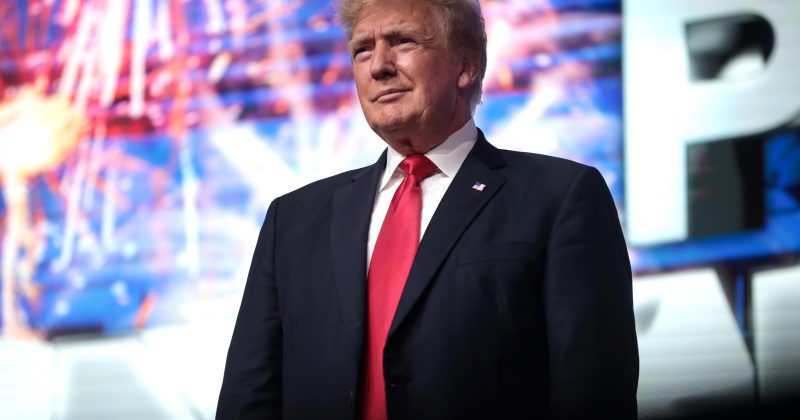
The global geopolitical landscape is approaching a critical tipping point as the Trump administration navigates high-stakes strategic decisions regarding Iran. This intel brief outlines how the pursuit of a defined 'victory' amidst rising tensions threatens to destabilize regional security and disrupt traditional market structures.
Beyond the immediate diplomatic friction, the consequences of these choices could trigger massive volatility across global markets. As tensions escalate, the intersection of Middle Eastern stability and international finance becomes a primary driver of risk, forcing investors to recalibrate their strategies in response to potential geopolitical shocks.
Trump faces tough choices in defining victory over Iran amid rising tensions. Strategic decisions made during this period of heightened friction could destabilize regional security, significantly impacting global markets and diplomatic relations. The margin for error is slim as the administration weighs military posture against economic stability and international cooperation.
This is a summarized and adapted version by Artificial Intelligence. To read the complete original story, visit the official source.
Read Full Article at Crypto BriefingSupport Jornal Bitcoin
Independent journalism, curated by AI, no clickbait. Keep the flame alive with any amount of BTC.
jonata@walletofsatoshi.comDaily Crypto Brief 📬
Subscribe to receive the curation of the most important Bitcoin and crypto news, summarized by AI. No spam.
Join more than 10,000 smart readers.
Related News
Bitcoin Under Siege: Hormuz Strait Tensions Threaten $62K Support
Wall Street's downward opening reflects a massive shift toward risk aversion. The escalating tensions in the Middle East are driving investors away from volatile assets, creating a challenging environment for Bitcoin as it navigates this sudden macro-economic shock.
‘Don’t Let China Win’: Trump Urges Senate to Fast-Track Clarity Act
This push for the Clarity Act is framed as a critical defense against Chinese influence in the global financial landscape. By securing legislative certainty, proponents aim to solidify American leadership in blockchain technology and ensure that the United States remains the primary hub for crypto innovation and institutional adoption.

Hormuz Standoff: US Fails to Consult Allies Amid Escalating Iran Fee Tensions
This diplomatic isolation is expected to fuel market uncertainties and heighten regional economic instability. As the standoff over Iranian fees intensifies, the absence of a unified allied front creates a vacuum of predictability, potentially triggering volatility across energy markets and broader financial sectors.
Trump Urges Senate to Pass Clarity Act to Secure US Fintech and AI Dominance
The passage of this act is expected to reshape market dynamics and accelerate the integration of AI across financial sectors. As global tech rivalry intensifies, the Clarity Act serves as a critical tool for maintaining U.S. competitiveness and driving the next wave of digital economic growth.

Hormuz Standoff: Polymarket Traders Bet $9.8M on Rapid Normalization
While the situation remains volatile, the market is currently pricing a 0.35% chance of full normalization by July 15. This high-stakes betting environment highlights how prediction markets are becoming essential tools for gauging the perceived likelihood of a ceasefire amidst escalating Middle East tensions.
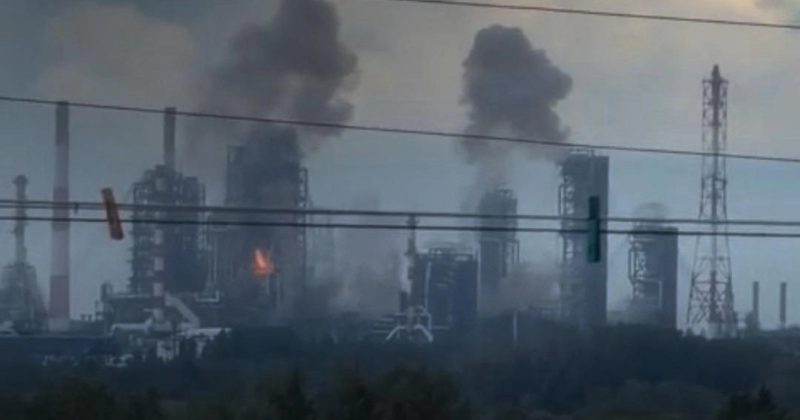
Energy Warfare: Ukraine Strikes Russian Infrastructure, Triggering Fuel Shortages
Beyond the immediate battlefield, these strikes could fundamentally shift conflict dynamics and cause significant ripples in global energy markets. The resulting volatility poses a direct threat to international geopolitical strategies and global energy security stability.
