Trump Urges Senate to Pass Clarity Act to Secure US Fintech and AI Dominance
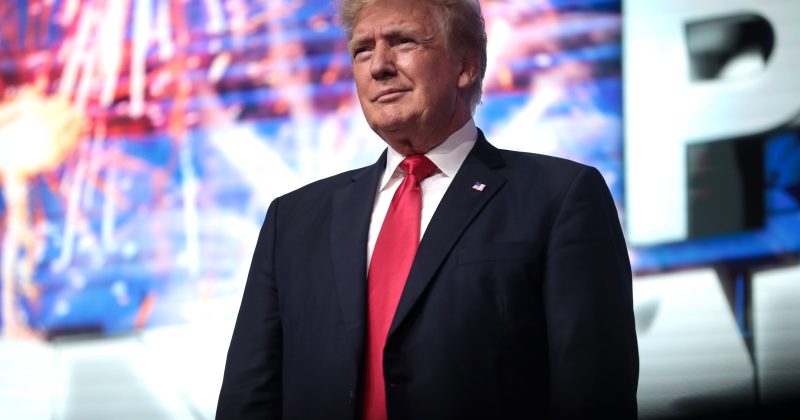
Donald Trump is intensifying pressure on the Senate to pass the Clarity Act, a pivotal legislative move designed to cement United States leadership in fintech and artificial intelligence. This strategic endorsement aims to establish a clear regulatory framework that fosters domestic innovation and secures technological sovereignty.
The passage of this act is expected to reshape market dynamics and accelerate the integration of AI across financial sectors. As global tech rivalry intensifies, the Clarity Act serves as a critical tool for maintaining U.S. competitiveness and driving the next wave of digital economic growth.
Donald Trump is urging the Senate to pass the Clarity Act, a move aimed at securing U.S. leadership in the fintech and artificial intelligence (AI) sectors. Trump's endorsement could significantly accelerate legislative focus on these critical technologies, prioritizing national interests in the digital age.
This legislative push is expected to impact U.S. competitiveness and shift market dynamics amidst an escalating global tech rivalry. By providing regulatory clarity, the act seeks to position the United States at the forefront of the ongoing technological revolution.
This is a summarized and adapted version by Artificial Intelligence. To read the complete original story, visit the official source.
Read Full Article at Crypto BriefingSupport Jornal Bitcoin
Independent journalism, curated by AI, no clickbait. Keep the flame alive with any amount of BTC.
jonata@walletofsatoshi.comDaily Crypto Brief 📬
Subscribe to receive the curation of the most important Bitcoin and crypto news, summarized by AI. No spam.
Join more than 10,000 smart readers.
Related News

The End of Manual Audits? Hebbia's Matrix Uses AI to Redefine Financial Due Diligence
This technological leap is poised to fundamentally reshape operational efficiency within major institutions. By integrating cutting-edge AI to handle critical information, Matrix significantly mitigates human error and accelerates decision-making in high-stakes transactions, setting a new standard for risk assessment and compliance.

Hyundai Disrupts Cross-Border Finance with Successful USDT and Avalanche Pilot
This proof-of-concept highlights the growing institutional adoption of stablecoin-based payments to bypass the inefficiencies of traditional banking. While conventional cross-border transfers can take hours to settle, Hyundai's use of Axiym's settlement infrastructure and Hyundai Card's regulatory oversight demonstrates that blockchain technology offers a faster, more compliant, and highly efficient alternative for international liquidity management.

The Billion-Dollar Romance: How Much Men Are Spending on AI Girlfriends
This trend underscores a significant shift in the digital economy, driven by the rapid evolution of artificial intelligence. As these platforms scale, the financial implications of virtual companionship suggest a permanent change in how society approaches emotional connection and digital spending.

Geopolitical Shockwave: Trump Reinstates Iran Blockade and Demands Payment for Hormuz Protection
This escalation threatens to disrupt global oil markets and severely complicates any potential diplomatic resolutions. As tensions rise, the ripple effects on energy prices and international trade stability could trigger significant volatility across both traditional and digital asset markets.

Trump invokes Senator's death to fast-track landmark crypto legislation
The political landscape has shifted significantly, with the Republican majority in the Senate shrinking to a razor-thin 51-47 following Graham's death and the hospitalization of another senator. This weakened position means passing the crypto market structure bill may now require bipartisan cooperation, all within a narrow four-week legislative window before the August recess.

AI Chip Wars: Google Targets Nvidia Customers in Aggressive TPU Sales Push
By challenging Nvidia's stronghold, Google is positioning itself as a primary alternative for companies seeking specialized AI hardware. This shift could lead to a more diversified semiconductor market, potentially lowering the barrier to entry for AI development and reshaping how cloud computing giants compete for computational supremacy.
