Hormuz Standoff: US Fails to Consult Allies Amid Escalating Iran Fee Tensions
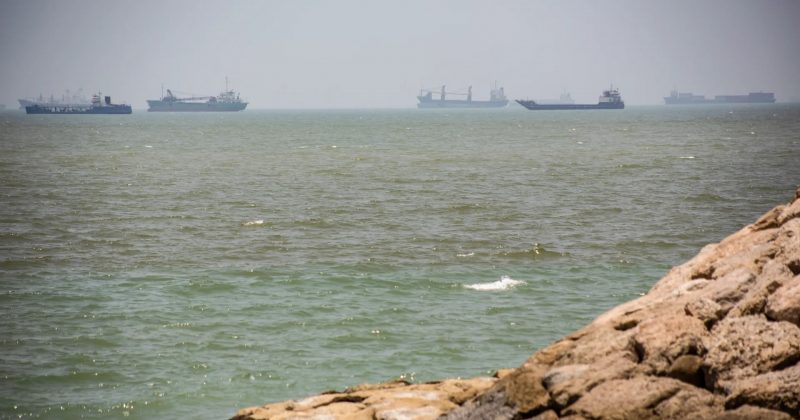
The United States has reportedly bypassed critical discussions with its allies regarding Hormuz tolls, a move that heightens geopolitical friction during rising tensions with Iran. As reported by Axios, this lack of multilateral coordination leaves a strategic gap that could jeopardize maritime security and global trade flows.
This diplomatic isolation is expected to fuel market uncertainties and heighten regional economic instability. As the standoff over Iranian fees intensifies, the absence of a unified allied front creates a vacuum of predictability, potentially triggering volatility across energy markets and broader financial sectors.
According to reports from Axios, the US hasn’t discussed Hormuz tolls with allies amid growing tensions regarding Iranian fees. This lack of communication suggests a potential breakdown in coordinated maritime policy, leaving allies in the dark regarding how to respond to unilateral fee impositions in one of the world's most vital shipping lanes.
The absence of US-allied discussions on Hormuz tolls highlights potential delays and market uncertainties, impacting regional economic stability. As geopolitical risks mount, the inability to form a cohesive response to Iran's fiscal maneuvers remains a significant blind spot for global economic forecasting.
This is a summarized and adapted version by Artificial Intelligence. To read the complete original story, visit the official source.
Read Full Article at Crypto BriefingSupport Jornal Bitcoin
Independent journalism, curated by AI, no clickbait. Keep the flame alive with any amount of BTC.
jonata@walletofsatoshi.comDaily Crypto Brief 📬
Subscribe to receive the curation of the most important Bitcoin and crypto news, summarized by AI. No spam.
Join more than 10,000 smart readers.
Related News
SBI Holdings and Solana Foundation Partner to Launch Japan’s On-Chain Financial Markets
This collaboration represents a major milestone for institutional crypto adoption in the region. By merging traditional financial expertise with Solana's scalable infrastructure, the partnership aims to drive the tokenization of assets and enhance liquidity efficiency within the evolving Japanese financial landscape.

Geopolitical Shockwave: Trump Reinstates Iran Blockade and Demands Payment for Hormuz Protection
This escalation threatens to disrupt global oil markets and severely complicates any potential diplomatic resolutions. As tensions rise, the ripple effects on energy prices and international trade stability could trigger significant volatility across both traditional and digital asset markets.

Polymarket Alert: CPI and PPI Data to Test Fed Rate Cut Odds for September
Beyond inflation metrics, the upcoming Q2 earnings from major banks and Friday's consumer sentiment report will provide the final pieces of the puzzle. These indicators are critical for determining whether the September rate cut expectations remain viable or if a more hawkish stance from the Fed will prevail.
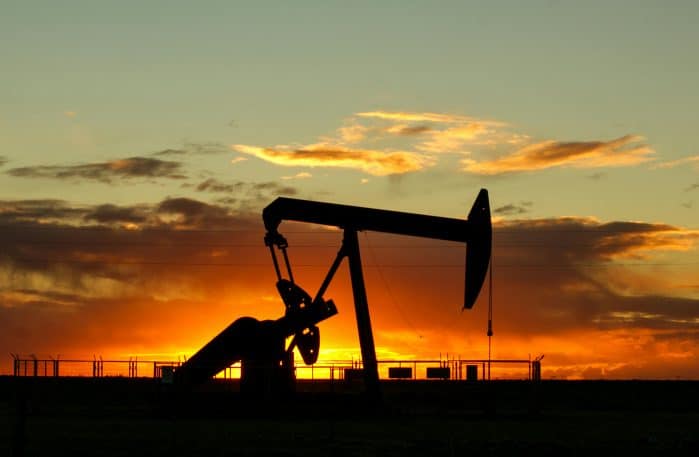
Energy Shock: Russia's Oil Output Plummets to 2.5-Year Low Amid Drone Strikes
The decline in Russia's oil output is expected to tighten global supply significantly, potentially driving oil prices higher in the near term. As geopolitical tensions escalate, the resulting impact on international energy markets could reshape commodity trading patterns and influence broader macroeconomic stability.

Is the Bitcoin Sell-Off Over? Why Profit Margins Are Drying Up for Sellers
Despite the geopolitical noise surrounding the U.S.-Iran escalation, Bitcoin is showing remarkable resilience. This stability is being bolstered by renewed spot ETF inflows, which are absorbing supply and providing a strong fundamental floor for the cryptocurrency's current price action.
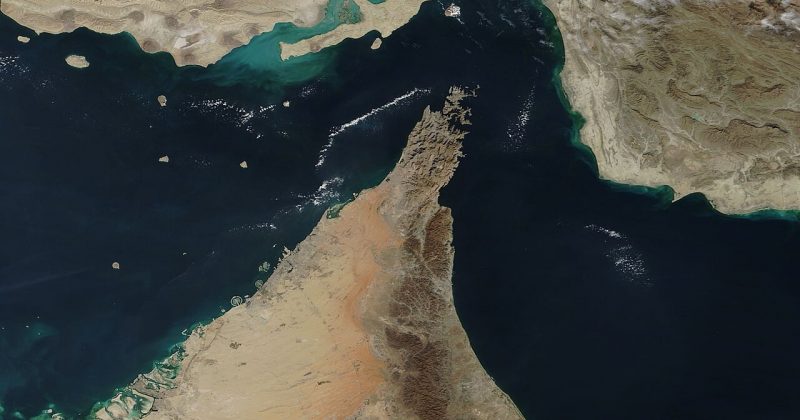
Geopolitical Alert: US Naval Blockade in Strait of Hormuz Delayed, Fueling Market Uncertainty
As geopolitical tensions continue to simmer, the potential for sudden escalation remains a primary concern for risk management. The impact on energy markets and broader economic stability could be profound, as the world waits to see if the blockade will proceed and disrupt one of the world's most vital maritime chokepoints.
