Bitcoin Under Siege: Hormuz Strait Tensions Threaten $62K Support
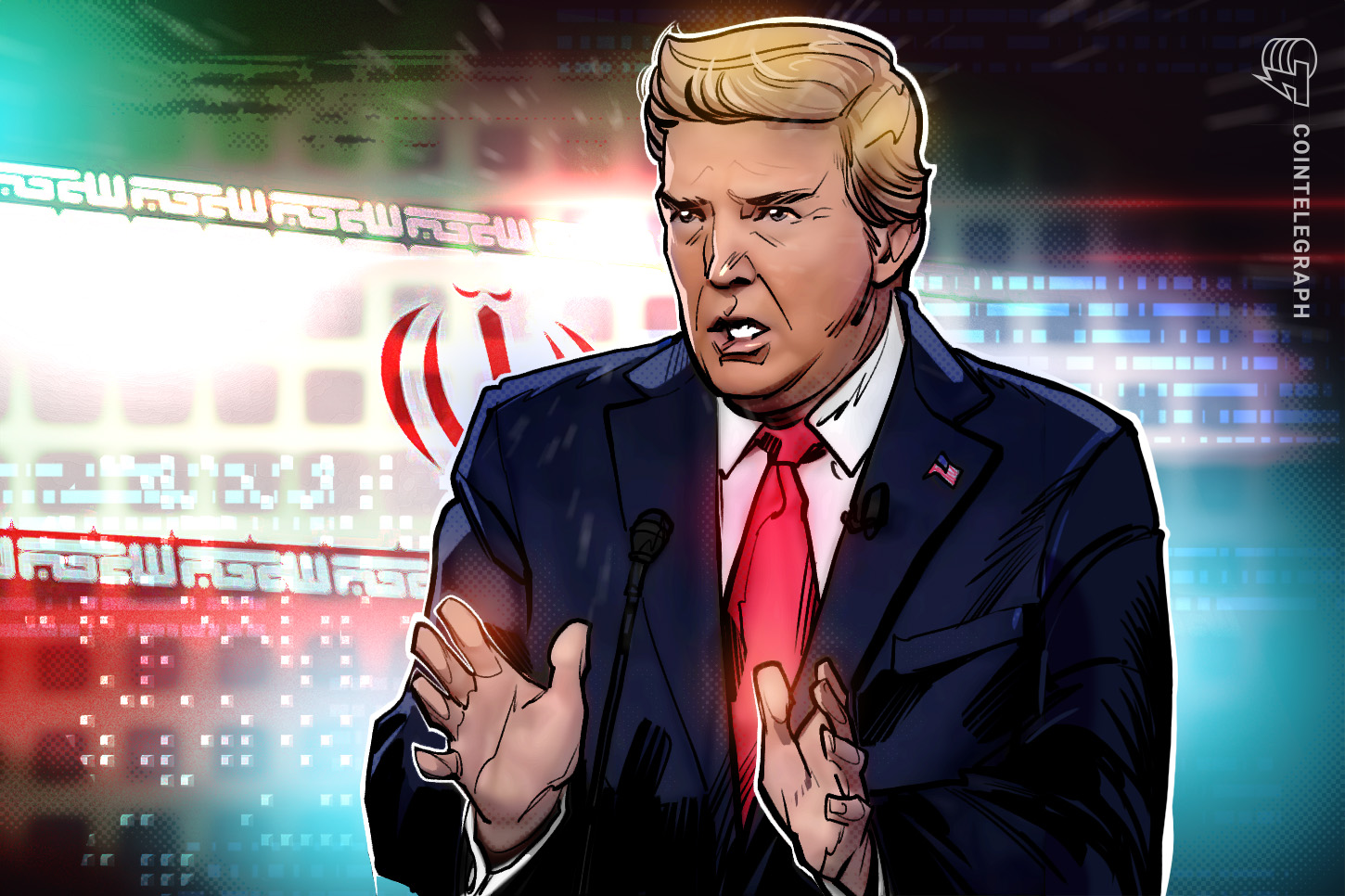
Bitcoin bulls are fighting a losing battle against geopolitical instability. As rhetoric intensifies between the US and Iran regarding the control of the Strait of Hormuz, Bitcoin (BTC) is struggling to hold the critical $62,000 level amidst a broader market sell-off.
Wall Street's downward opening reflects a massive shift toward risk aversion. The escalating tensions in the Middle East are driving investors away from volatile assets, creating a challenging environment for Bitcoin as it navigates this sudden macro-economic shock.
Bitcoin bulls faced an uphill struggle to preserve the $62,000 mark during Monday's Wall Street open. The market reacted sharply to heightened US-Iran tensions following rhetoric suggesting US involvement in the Strait of Hormuz. As stocks tumbled, Bitcoin (BTC) fell further, caught in a wider rout of risk assets triggered by the escalating geopolitical uncertainty.
This is a summarized and adapted version by Artificial Intelligence. To read the complete original story, visit the official source.
Read Full Article at CoinTelegraphSupport Jornal Bitcoin
Independent journalism, curated by AI, no clickbait. Keep the flame alive with any amount of BTC.
jonata@walletofsatoshi.comDaily Crypto Brief 📬
Subscribe to receive the curation of the most important Bitcoin and crypto news, summarized by AI. No spam.
Join more than 10,000 smart readers.
Related News

Fed Alert: Waller Signals Potential Rate Hikes Amid Persistent Inflation
This hawkish stance from the Fed highlights a commitment to price stability that could come at the cost of economic growth. For crypto investors, these potential rate hikes represent a significant risk factor for market stability and liquidity.

Fed Alert: Waller’s New Task Force Could Pivot Balance Sheet Reduction Strategy
This evaluation may signal a significant shift towards prioritizing financial stability, potentially delaying aggressive monetary policy changes. For investors, this suggests that the Fed might opt for a more gradual approach to liquidity withdrawal, providing a crucial buffer for global markets and high-risk assets.

Bolivia Economic Crisis: Government Considers Adopting USDT Stablecoin
As the country faces mounting financial pressure, both citizens and policymakers are increasingly turning to cryptocurrencies as a lifeline. The potential adoption of USDT represents a strategic attempt to bypass traditional banking limitations and provide liquidity, marking a significant moment in the intersection of state policy and decentralized finance.

Geopolitical Shockwave: Trump Reinstates Iran Blockade and Demands Payment for Hormuz Protection
This escalation threatens to disrupt global oil markets and severely complicates any potential diplomatic resolutions. As tensions rise, the ripple effects on energy prices and international trade stability could trigger significant volatility across both traditional and digital asset markets.

Energy Shock: Russia's Oil Output Plummets to 2.5-Year Low Amid Drone Strikes
The decline in Russia's oil output is expected to tighten global supply significantly, potentially driving oil prices higher in the near term. As geopolitical tensions escalate, the resulting impact on international energy markets could reshape commodity trading patterns and influence broader macroeconomic stability.

Crypto Liquidity Crunch? Stablecoin Supply Plummets by $10 Billion
However, market analysts are not sounding the alarm for a crash, instead viewing this decline as a temporary market adjustment. This recalibration of stablecoin supply is seen as a healthy correction rather than a fundamental exit of capital from the digital asset space.
