‘Don’t Let China Win’: Trump Urges Senate to Fast-Track Clarity Act
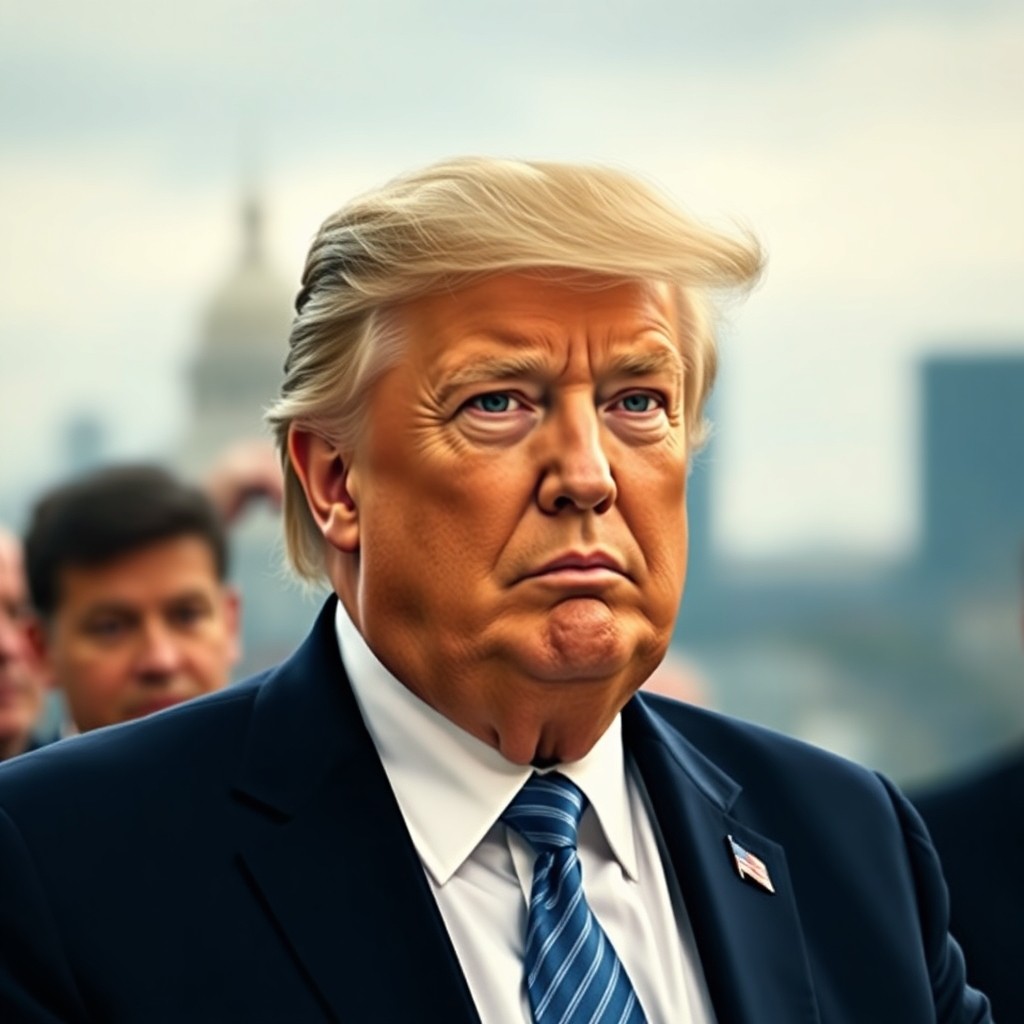
Donald Trump has issued a high-stakes directive to the U.S. Senate, urging the immediate passage of the Clarity Act before the upcoming August recess. Highlighting a narrowing legislative window, Trump’s rhetoric emphasizes the necessity of establishing a robust regulatory framework to prevent global competitors from seizing dominance in the digital asset space.
This push for the Clarity Act is framed as a critical defense against Chinese influence in the global financial landscape. By securing legislative certainty, proponents aim to solidify American leadership in blockchain technology and ensure that the United States remains the primary hub for crypto innovation and institutional adoption.
“Don’t Let China Win”: President Trump is pressing the Senate to pass the Clarity Act before the August recess as lawmakers face a narrowing window and unresolved political hurdles. The move is designed to ensure that the United States does not cede its technological edge to foreign adversaries.
The urgency surrounding the Clarity Act underscores the geopolitical battle for control over the future of finance. As the Senate navigates complex political obstacles, the push for regulatory clarity remains a pivotal factor in determining whether the U.S. can outpace China in the rapidly evolving cryptocurrency market.
This is a summarized and adapted version by Artificial Intelligence. To read the complete original story, visit the official source.
Read Full Article at Bitcoin MagazineSupport Jornal Bitcoin
Independent journalism, curated by AI, no clickbait. Keep the flame alive with any amount of BTC.
jonata@walletofsatoshi.comDaily Crypto Brief 📬
Subscribe to receive the curation of the most important Bitcoin and crypto news, summarized by AI. No spam.
Join more than 10,000 smart readers.
Related News

Fed Alert: Waller Signals Potential Rate Hikes Amid Persistent Inflation
This hawkish stance from the Fed highlights a commitment to price stability that could come at the cost of economic growth. For crypto investors, these potential rate hikes represent a significant risk factor for market stability and liquidity.

Fed Alert: Waller’s New Task Force Could Pivot Balance Sheet Reduction Strategy
This evaluation may signal a significant shift towards prioritizing financial stability, potentially delaying aggressive monetary policy changes. For investors, this suggests that the Fed might opt for a more gradual approach to liquidity withdrawal, providing a crucial buffer for global markets and high-risk assets.

Bolivia Economic Crisis: Government Considers Adopting USDT Stablecoin
As the country faces mounting financial pressure, both citizens and policymakers are increasingly turning to cryptocurrencies as a lifeline. The potential adoption of USDT represents a strategic attempt to bypass traditional banking limitations and provide liquidity, marking a significant moment in the intersection of state policy and decentralized finance.

Geopolitical Shockwave: Trump Reinstates Iran Blockade and Demands Payment for Hormuz Protection
This escalation threatens to disrupt global oil markets and severely complicates any potential diplomatic resolutions. As tensions rise, the ripple effects on energy prices and international trade stability could trigger significant volatility across both traditional and digital asset markets.
Trump invokes Senator's death to fast-track landmark crypto legislation
The political landscape has shifted significantly, with the Republican majority in the Senate shrinking to a razor-thin 51-47 following Graham's death and the hospitalization of another senator. This weakened position means passing the crypto market structure bill may now require bipartisan cooperation, all within a narrow four-week legislative window before the August recess.

Energy Shock: Russia's Oil Output Plummets to 2.5-Year Low Amid Drone Strikes
The decline in Russia's oil output is expected to tighten global supply significantly, potentially driving oil prices higher in the near term. As geopolitical tensions escalate, the resulting impact on international energy markets could reshape commodity trading patterns and influence broader macroeconomic stability.
