Geopolitical Shockwave: Trump Claims US to Take Control of Strait of Hormuz Following Iran Strikes
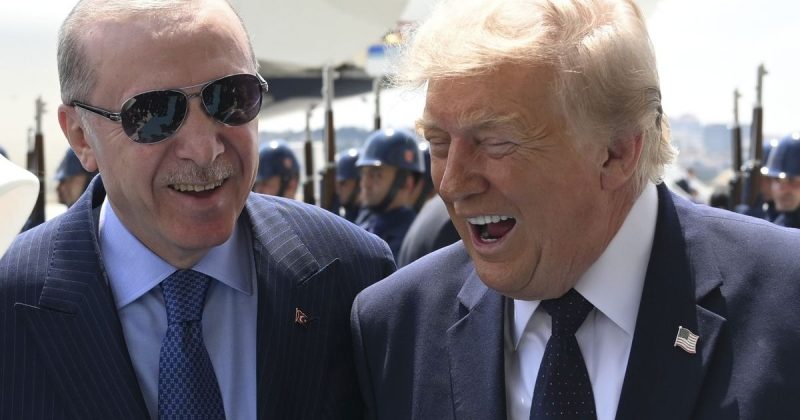
The global geopolitical landscape has shifted following Donald Trump's assertion that the U.S. will assume control over the Strait of Hormuz. This move, prompted by recent Iranian strikes, marks a significant escalation in military tension within one of the world's most vital maritime corridors.
The implications of U.S. control over this chokepoint are profound, threatening to disrupt global energy markets and exacerbate regional instability. Such volatility often spills over into financial markets, creating unpredictable conditions for both traditional commodities and the broader crypto ecosystem.
The U.S. control of the Strait of Hormuz may escalate tensions, impacting global energy markets and prolonging regional instability. For the crypto and macro markets, this represents a high-impact risk factor, as energy supply disruptions could trigger massive shifts in global liquidity and investor sentiment.
This is a summarized and adapted version by Artificial Intelligence. To read the complete original story, visit the official source.
Read Full Article at Crypto BriefingSupport Jornal Bitcoin
Independent journalism, curated by AI, no clickbait. Keep the flame alive with any amount of BTC.
jonata@walletofsatoshi.comDaily Crypto Brief 📬
Subscribe to receive the curation of the most important Bitcoin and crypto news, summarized by AI. No spam.
Join more than 10,000 smart readers.
Related News

Is the Bitcoin Sell-Off Over? Why Profit Margins Are Drying Up for Sellers
Despite the geopolitical noise surrounding the U.S.-Iran escalation, Bitcoin is showing remarkable resilience. This stability is being bolstered by renewed spot ETF inflows, which are absorbing supply and providing a strong fundamental floor for the cryptocurrency's current price action.
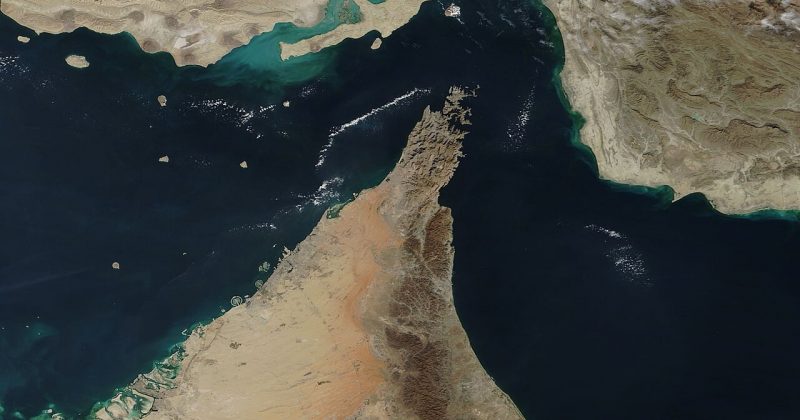
Geopolitical Alert: US Naval Blockade in Strait of Hormuz Delayed, Fueling Market Uncertainty
As geopolitical tensions continue to simmer, the potential for sudden escalation remains a primary concern for risk management. The impact on energy markets and broader economic stability could be profound, as the world waits to see if the blockade will proceed and disrupt one of the world's most vital maritime chokepoints.
Trump Escalates CLARITY Act Push to Stop China from Seizing Crypto Dominance
The stakes extend beyond digital assets, as the push for the CLARITY Act is deeply intertwined with the global race for artificial intelligence supremacy. This geopolitical maneuver signals that the battle for crypto dominance is now a central pillar of the broader struggle for technological and economic hegemony between the U.S. and China.
Bitcoin Under Siege: Hormuz Strait Tensions Threaten $62K Support
Wall Street's downward opening reflects a massive shift toward risk aversion. The escalating tensions in the Middle East are driving investors away from volatile assets, creating a challenging environment for Bitcoin as it navigates this sudden macro-economic shock.
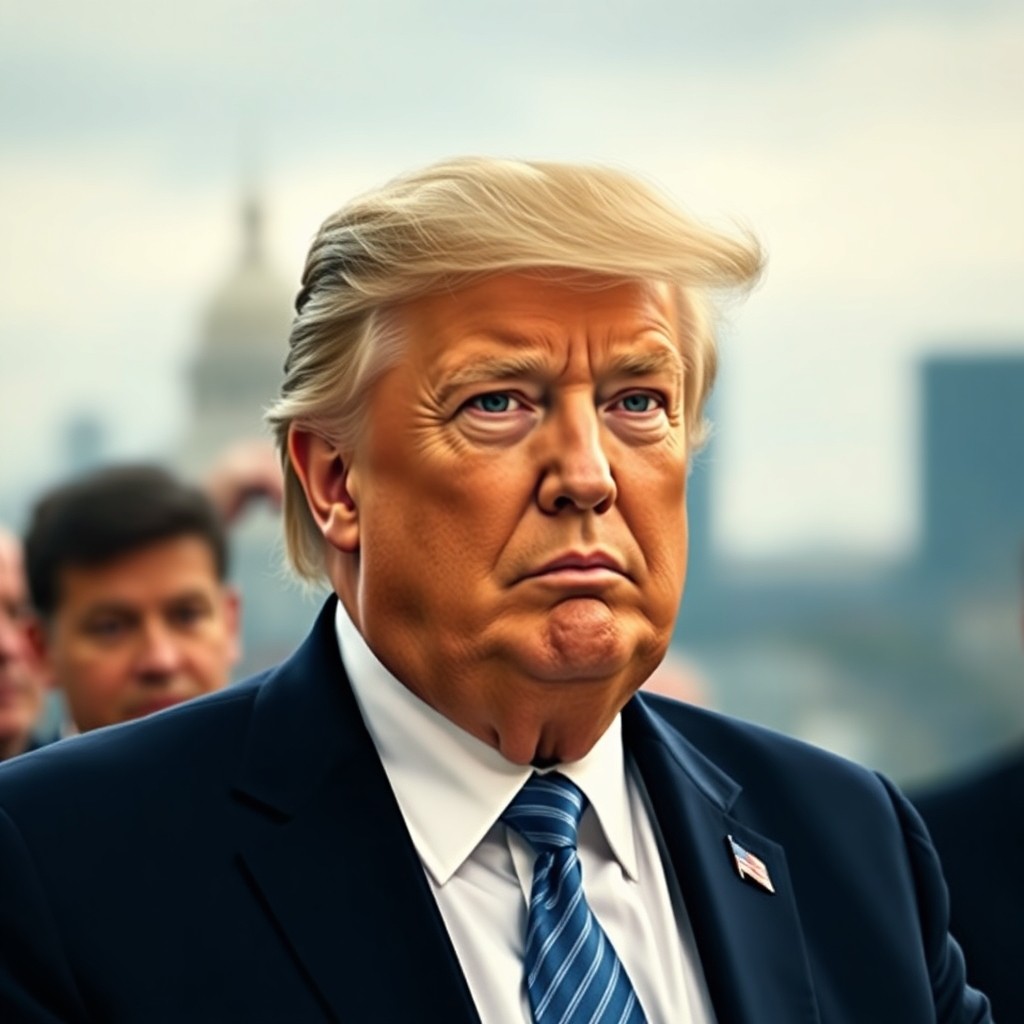
‘Don’t Let China Win’: Trump Urges Senate to Fast-Track Clarity Act
This push for the Clarity Act is framed as a critical defense against Chinese influence in the global financial landscape. By securing legislative certainty, proponents aim to solidify American leadership in blockchain technology and ensure that the United States remains the primary hub for crypto innovation and institutional adoption.
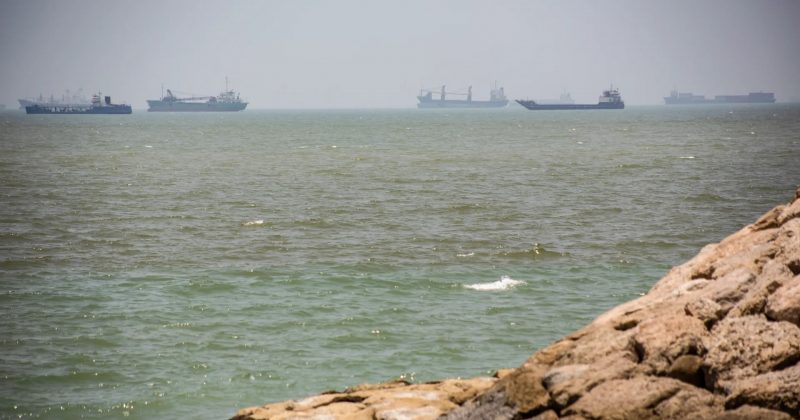
Hormuz Standoff: US Fails to Consult Allies Amid Escalating Iran Fee Tensions
This diplomatic isolation is expected to fuel market uncertainties and heighten regional economic instability. As the standoff over Iranian fees intensifies, the absence of a unified allied front creates a vacuum of predictability, potentially triggering volatility across energy markets and broader financial sectors.
