Trump slams NATO allies over Iran conflict support, risking global instability
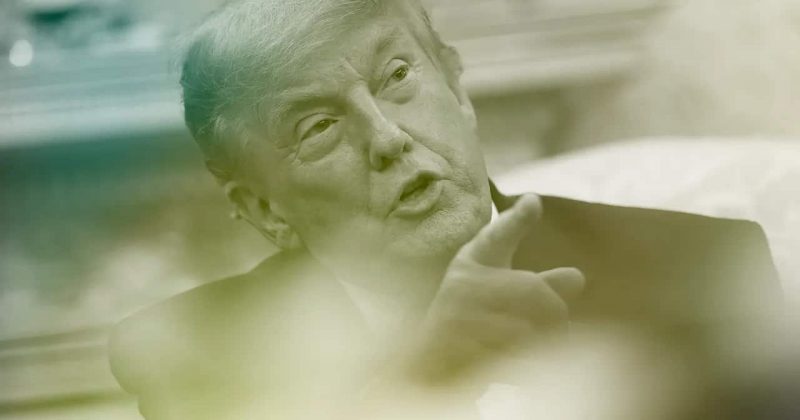
Donald Trump has launched a scathing critique against NATO allies, citing a critical lack of support regarding the ongoing Iran conflict. This aggressive stance threatens to fracture international alliances, potentially leaving the U.S. to navigate high-stakes geopolitical tensions without its traditional security framework.
This rhetoric could deepen existing NATO rifts, significantly complicating peace talks and paving the way for increased U.S. unilateral military actions. For the global economy and the crypto market, such shifts in foreign policy represent heightened volatility and systemic risk.
Donald Trump has criticized NATO allies for their perceived lack of support in the conflict involving Iran. Experts warn that these criticisms may deepen rifts within the alliance, complicating peace talks and potentially leading to increased U.S. unilateral military actions. This shift in diplomatic posture raises significant concerns regarding global stability and the predictability of international security dynamics.
This is a summarized and adapted version by Artificial Intelligence. To read the complete original story, visit the official source.
Read Full Article at Crypto BriefingSupport Jornal Bitcoin
Independent journalism, curated by AI, no clickbait. Keep the flame alive with any amount of BTC.
jonata@walletofsatoshi.comDaily Crypto Brief 📬
Subscribe to receive the curation of the most important Bitcoin and crypto news, summarized by AI. No spam.
Join more than 10,000 smart readers.
Related News
Geopolitical Shockwave: Oil Soars and Bitcoin Plummets as Trump Ends Iran MoU
The sudden shift highlights the intense correlation between Middle East stability and market volatility. As the surge in oil prices reflects heightened geopolitical risk, the crypto market is feeling the brunt of a liquidity flight, marking a significant moment of tension between traditional energy commodities and the digital asset ecosystem.

Trump Effect: US AI Restrictions Drive Firms Toward Chinese Open-Source Models
This unexpected disruption suggests that domestic restrictions on advanced AI systems may be backfiring, inadvertently boosting the global footprint of Chinese artificial intelligence. As companies bypass U.S.-regulated models, the geopolitical tension surrounding AI development and export controls is set to intensify, potentially eroding American dominance in the sector.

Power Struggle: Trump’s Strategic Bitcoin Reserve Hits Government Red Tape
This interagency conflict threatens to delay the mission of establishing the United States as the global crypto capital. As departments vie for control, the impact on the broader Bitcoin reserve implementation and the long-term regulatory landscape for BTC remains a primary concern for institutional investors and policymakers alike.
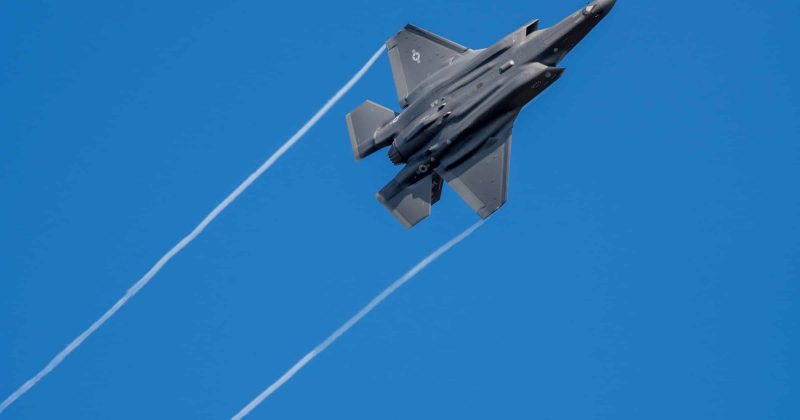
Trump weighs reselling F-35s to Turkey, and Israel raises the red flag
Because the move would reshape U.S.-Turkey relations and influence regional security dynamics, it also carries implications for U.S. foreign policy stability. Any change involving these sensitive military assets can affect deterrence, alliance management, and escalation risk—signals markets watch closely when geopolitics turns volatile.

Poland Pushes for NATO Pipeline Extension to Bolster Eastern Flank Defenses
However, this infrastructure expansion carries heavy geopolitical weight, potentially escalating tensions between NATO and Russia. The long-term consequences could reshape military logistics and impact the overall stability of the European theater.

Yen Collapse: Japanese Companies Pivot to Bitcoin and XRP as Currency Plummets
This shift highlights a growing institutional appetite for crypto-assets as a safeguard against fiat instability. The relentless pressure on the yen is effectively turning Bitcoin into a critical tool for capital preservation amidst unprecedented macroeconomic volatility in Japan.
