Trump Effect: US AI Restrictions Drive Firms Toward Chinese Open-Source Models

A major shift in the global tech landscape is underway as American and global corporations pivot toward Chinese open-source alternatives. Following a U.S. directive that imposed strict export controls on Anthropic’s frontier AI models due to national security concerns, the industry is reacting by seeking non-restricted technological paths.
This unexpected disruption suggests that domestic restrictions on advanced AI systems may be backfiring, inadvertently boosting the global footprint of Chinese artificial intelligence. As companies bypass U.S.-regulated models, the geopolitical tension surrounding AI development and export controls is set to intensify, potentially eroding American dominance in the sector.
American companies have dramatically increased their reliance on Chinese open-source artificial intelligence models following recent government restrictions on domestic frontier AI systems. This shift highlights a growing trend where regulatory hurdles in the United States are inadvertently fueling the adoption of competing technological ecosystems from China.
This is a summarized and adapted version by Artificial Intelligence. To read the complete original story, visit the official source.
Read Full Article at Bitcoin.comSupport Jornal Bitcoin
Independent journalism, curated by AI, no clickbait. Keep the flame alive with any amount of BTC.
jonata@walletofsatoshi.comDaily Crypto Brief 📬
Subscribe to receive the curation of the most important Bitcoin and crypto news, summarized by AI. No spam.
Join more than 10,000 smart readers.
Related News
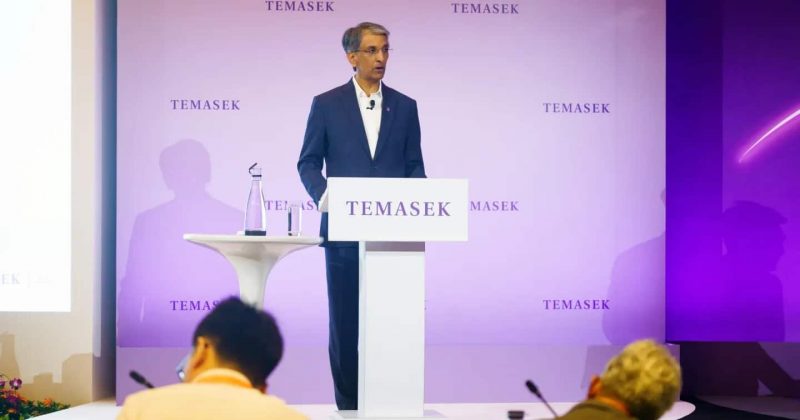
Temasek's Massive Pivot: AI Investments Set to Hit $75 Billion by 2030
By injecting such significant liquidity into the AI ecosystem, Temasek is poised to reshape the landscape of global tech innovation. This surge in funding is expected to influence future technological breakthroughs and alter the competitive balance of power within the global artificial intelligence market.

Microsoft Cuts Ties? In-House MAI Models to Replace OpenAI and Anthropic in Office Suite
By leveraging in-house MAI models, Microsoft aims to boost profit margins and secure greater control over its AI roadmap. However, this strategic pivot could significantly disrupt the revenue streams of OpenAI and Anthropic, altering the competitive landscape of the generative AI industry.
Massive $19 Billion Deal: Terawulf Secures 20-Year AI Infrastructure Lease with Anthropic
By divesting Texas-based assets and refocusing on large-scale AI data center capabilities, Terawulf is positioning itself at the epicenter of the compute gold rush. This strategic move highlights the growing convergence between Bitcoin mining infrastructure and the high-performance computing requirements of leading AI developers like Anthropic.

MediaFuse Expands Beyond Crypto with TechnologyWire to Feed AI and Search Engines
By introducing TechnologyWire, MediaFuse strengthens its massive distribution ecosystem, which already features Chainwire, CyberNewsWire, GamingWire, and FinanceWire. This strategic expansion positions the company at the intersection of traditional media and the AI revolution, providing tech companies with the tools needed to influence both human readers and machine learning models.

AI Exploit Threat: Secret Network Proposes Move to Arbitrum to Combat New Security Risks
The core concern lies in the rising efficiency of AI-driven exploits targeting legacy codebases. By migrating to Arbitrum, Secret Network aims to mitigate the risks posed by automated code analysis, ensuring that its privacy-preserving smart contracts remain secure against the next generation of AI-powered hackers.

The Silent Revolution: How AI is Reshaping Legal Drafting Standards
However, the integration of AI brings significant challenges that demand immediate attention. While the technology promises to reduce human error, it simultaneously raises profound ethical questions regarding professional liability and the integrity of legal processes, forcing the industry to balance technological innovation with regulatory compliance.
