Trump weighs reselling F-35s to Turkey, and Israel raises the red flag
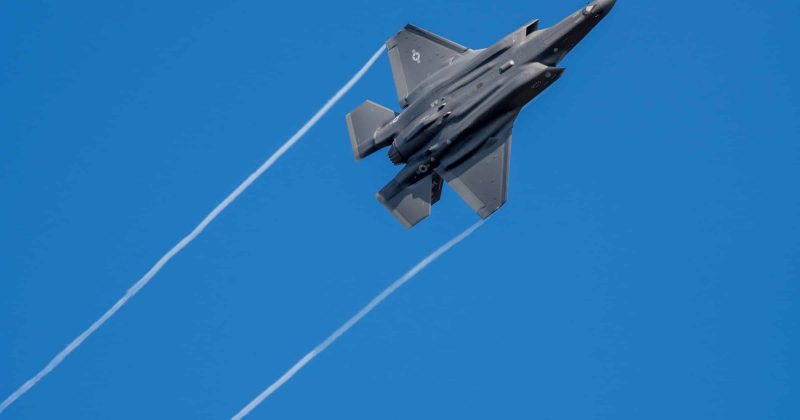
Intel Brief: Trump’s consideration to resell F-35s to Turkey has triggered concerns in Israel—and could quickly shift Middle East security calculations.
Because the move would reshape U.S.-Turkey relations and influence regional security dynamics, it also carries implications for U.S. foreign policy stability. Any change involving these sensitive military assets can affect deterrence, alliance management, and escalation risk—signals markets watch closely when geopolitics turns volatile.
Trump is considering reselling F-35 jets to Turkey. The proposal, according to the report, has sparked concerns in Israel regarding the potential impact on regional security and on how the U.S. carries out its foreign policy. If it moves forward, the deal could alter U.S.-Turkey relations, influence security dynamics in the region, and add another layer of risk and instability to the Middle East’s military balance.
This is a summarized and adapted version by Artificial Intelligence. To read the complete original story, visit the official source.
Read Full Article at Crypto BriefingSupport Jornal Bitcoin
Independent journalism, curated by AI, no clickbait. Keep the flame alive with any amount of BTC.
jonata@walletofsatoshi.comDaily Crypto Brief 📬
Subscribe to receive the curation of the most important Bitcoin and crypto news, summarized by AI. No spam.
Join more than 10,000 smart readers.
Related News
Geopolitical Shockwave: Oil Soars and Bitcoin Plummets as Trump Ends Iran MoU
The sudden shift highlights the intense correlation between Middle East stability and market volatility. As the surge in oil prices reflects heightened geopolitical risk, the crypto market is feeling the brunt of a liquidity flight, marking a significant moment of tension between traditional energy commodities and the digital asset ecosystem.

Trump Effect: US AI Restrictions Drive Firms Toward Chinese Open-Source Models
This unexpected disruption suggests that domestic restrictions on advanced AI systems may be backfiring, inadvertently boosting the global footprint of Chinese artificial intelligence. As companies bypass U.S.-regulated models, the geopolitical tension surrounding AI development and export controls is set to intensify, potentially eroding American dominance in the sector.

Power Struggle: Trump’s Strategic Bitcoin Reserve Hits Government Red Tape
This interagency conflict threatens to delay the mission of establishing the United States as the global crypto capital. As departments vie for control, the impact on the broader Bitcoin reserve implementation and the long-term regulatory landscape for BTC remains a primary concern for institutional investors and policymakers alike.
Trump slams NATO allies over Iran conflict support, risking global instability
This rhetoric could deepen existing NATO rifts, significantly complicating peace talks and paving the way for increased U.S. unilateral military actions. For the global economy and the crypto market, such shifts in foreign policy represent heightened volatility and systemic risk.
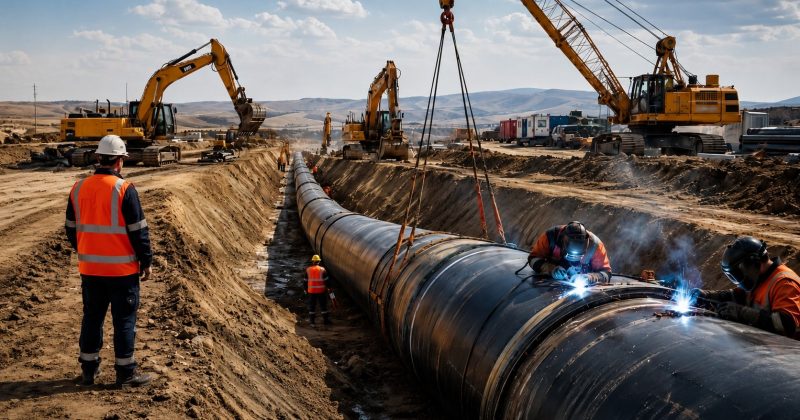
Poland Pushes for NATO Pipeline Extension to Bolster Eastern Flank Defenses
However, this infrastructure expansion carries heavy geopolitical weight, potentially escalating tensions between NATO and Russia. The long-term consequences could reshape military logistics and impact the overall stability of the European theater.
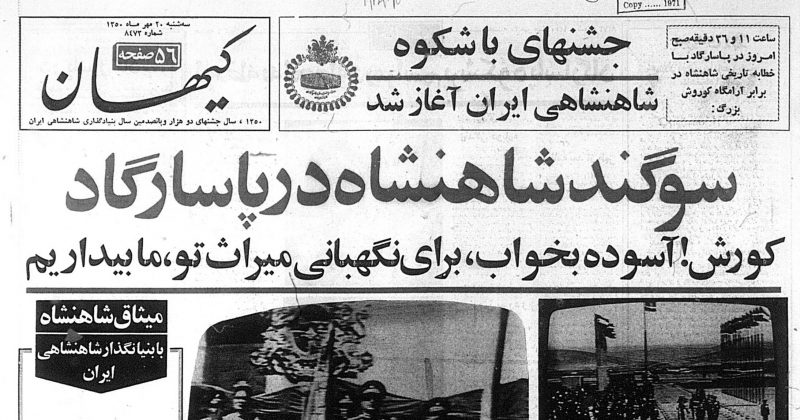
Geopolitical Chaos: Iran's Hardline Daily Calls for Assassination of Trump and Netanyahu
Beyond the immediate threat, this call for violence threatens to diminish any remaining prospects for peace in the Middle East. For those monitoring market volatility, such escalations often serve as precursors to heightened risk aversion and shifts in global economic stability.
