Geopolitical Shockwave: Oil Soars and Bitcoin Plummets as Trump Ends Iran MoU
Global markets are reeling following Donald Trump's decisive declaration that the Memorandum of Understanding (MoU) with Iran is officially over. This geopolitical pivot has sent USOIL skyrocketing to a two-week peak, while Bitcoin faces a sharp plunge as investors pivot away from high-risk assets.
The sudden shift highlights the intense correlation between Middle East stability and market volatility. As the surge in oil prices reflects heightened geopolitical risk, the crypto market is feeling the brunt of a liquidity flight, marking a significant moment of tension between traditional energy commodities and the digital asset ecosystem.
The financial landscape shifted violently following Donald Trump's latest statement regarding Iran. USOIL hit a two-week peak immediately after the announcement that the MoU with Iran has ended. This geopolitical tension has triggered a massive sell-off in Bitcoin, as the market reacts to the heightened uncertainty, driving capital toward traditional energy commodities and away from the crypto market.
This is a summarized and adapted version by Artificial Intelligence. To read the complete original story, visit the official source.
Read Full Article at CryptoPotatoSupport Jornal Bitcoin
Independent journalism, curated by AI, no clickbait. Keep the flame alive with any amount of BTC.
jonata@walletofsatoshi.comDaily Crypto Brief 📬
Subscribe to receive the curation of the most important Bitcoin and crypto news, summarized by AI. No spam.
Join more than 10,000 smart readers.
Related News
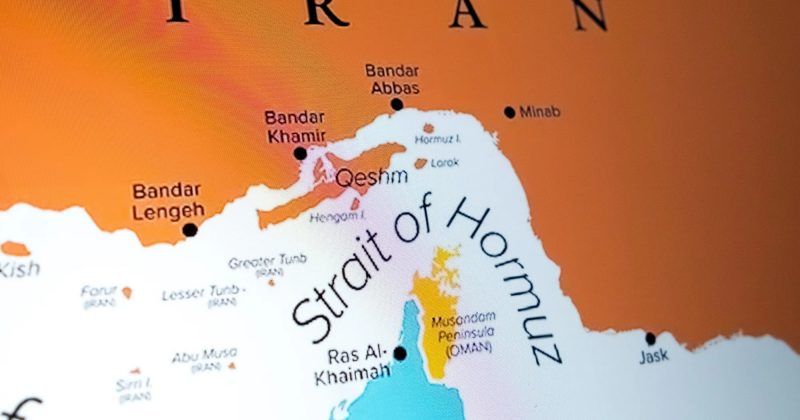
Strait of Hormuz Crisis: Iran Accuses US of Violating Maritime Traffic Agreement
The potential fallout from this dispute extends far beyond regional borders, posing a direct threat to global oil markets and international economic stability. As tensions rise in the Strait of Hormuz, the ripple effects could trigger massive volatility across global energy sectors and broader financial markets.

SpaceX Bitcoin Wallet Wakes Up: Tiny Transaction Sparks Massive Speculation
While the transaction amount was minimal, the timing raises critical questions about whether a much larger transfer is imminent. If a significant amount of Bitcoin is moved by an entity linked to SpaceX, it could trigger substantial market volatility and shift investor sentiment across the entire digital asset ecosystem.

Reserve Bank of India Doubles Down on Crypto Ban to Fight Tax Evasion
This regulatory friction highlights a significant divergence between India and the global trend of digital asset adoption. By focusing heavily on mitigating risks related to tax evasion and capital flight, the RBI is signaling that the path to legal crypto integration in India remains blocked by stringent fiscal security concerns.
Geopolitical Chaos: Iranian Hardliners Call for Attacks on Trump and Erdogan at NATO Summit
Beyond the immediate political fallout, these threats could trigger massive market volatility, particularly regarding concerns over Iran's airspace closure. As geopolitical risks rise, the potential for sudden disruptions in global logistics and energy corridors remains a primary concern for institutional investors and global markets.

Pi Network crumbles to a new ATL as Bitcoin stalls near $64K — market flips in 24 hours
The Pi Network move highlights a fast liquidity rotation: it’s not just “red candles,” it’s a narrative shift. Over the same 24-hour window, the market saw opposite extremes—M jumped double digits, while LAB dropped by more than 80%—bringing price action, liquidity, and risk management back to the center of attention. Until BTC regains traction beyond $64K, altcoin volatility is likely to remain the dominant theme.
Bitcoin ETFs Influx Hits $500M, But Weak Demand Leaves Rebound Vulnerable
However, the recovery remains fragile as several market gauges continue to signal weak demand for the leading digital asset. While the recent capital injection into Bitcoin ETFs is a positive signal, the underlying market sentiment suggests that this rebound could be exposed to volatility if institutional interest fails to stabilize.
