Geopolitical Crisis: Iran Fires Missiles at Gulf States Amid Escalating US Airstrikes
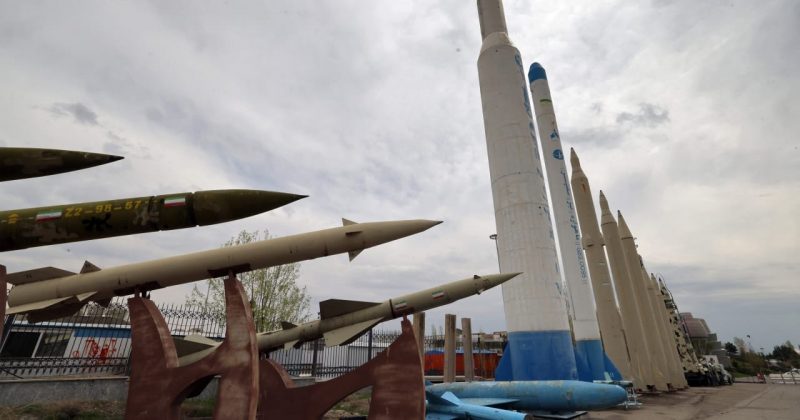
Global instability has reached a breaking point as Iran fires missiles at Gulf states in response to escalating US airstrikes. This direct military confrontation heightens the risk of a massive regional conflict, creating immediate ripples of uncertainty across global financial markets and geopolitical stability.
As the situation evolves, market sentiment is reacting to extreme long-term forecasts, including a 23.5% probability of a US invasion of Iran before 2027. For the crypto community, these escalating tensions underscore the critical role of digital assets as a hedge against sudden geopolitical shocks and systemic instability.
The Middle East is facing a severe escalation in hostilities. Iran has launched missile strikes targeting Gulf states, coinciding with an intensification of US airstrikes in the region. The situation remains highly volatile as military movements suggest a potential for broader warfare. Amidst these developments, predictive models are highlighting a 23.5% chance of a US invasion of Iran occurring before 2027.
This is a summarized and adapted version by Artificial Intelligence. To read the complete original story, visit the official source.
Read Full Article at Crypto BriefingSupport Jornal Bitcoin
Independent journalism, curated by AI, no clickbait. Keep the flame alive with any amount of BTC.
jonata@walletofsatoshi.comDaily Crypto Brief 📬
Subscribe to receive the curation of the most important Bitcoin and crypto news, summarized by AI. No spam.
Join more than 10,000 smart readers.
Related News

Geopolitical Shift: Polymarket Bets on US-Iran Ceasefire as Israel Faces Election Turmoil
The geopolitical landscape is further complicated by the dissolution of Israel's Knesset, setting the stage for an October 27 election that serves as a high-stakes referendum on Netanyahu's leadership and the ongoing wars in Gaza, Lebanon, and Iran. As political structures shift, the intersection of election outcomes and international conflict remains a primary driver of market volatility.

Wealth Gap Explodes: Top 0.00001% of Americans Capture 12% of All New Wealth
This extreme concentration of wealth poses significant risks to long-term economic stability and social mobility. As the gap between the ultra-rich and the general population widens, the implications for market dynamics and global financial structures could be profound, potentially reshaping the future of the American economy.
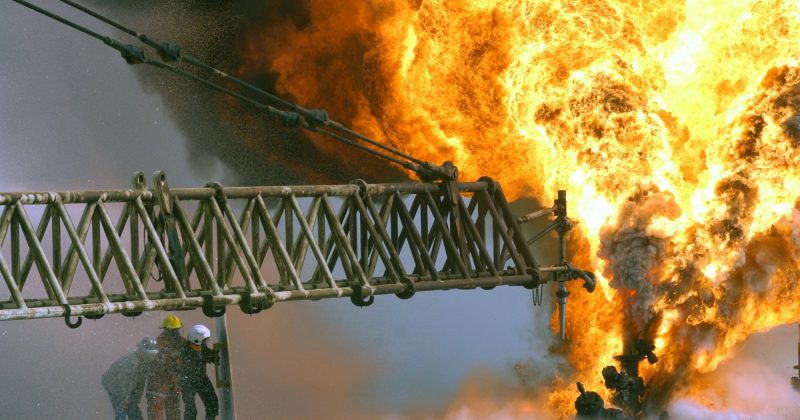
Energy War: BP and ConocoPhillips Move into Iraq to Neutralize Iran's Grip
The broader implications of this investment extend far beyond oil production, touching upon the volatile intersection of energy security and global diplomacy. As these corporations expand, the market remains hyper-focused on the potential for a U.S.-Iran nuclear deal, an event that could fundamentally shift the geopolitical landscape and energy pricing models.

Geopolitical Shockwave: US Strikes in Iran Trigger Bitcoin Sell-off and Massive Liquidations
As the market reacts to the conflict, Bitcoin has dropped over 2%, leading to a staggering $350M in liquidations. Adding to the complexity, the US Treasury has frozen $344M in Iranian crypto assets, marking a significant intersection between military conflict and global financial warfare.
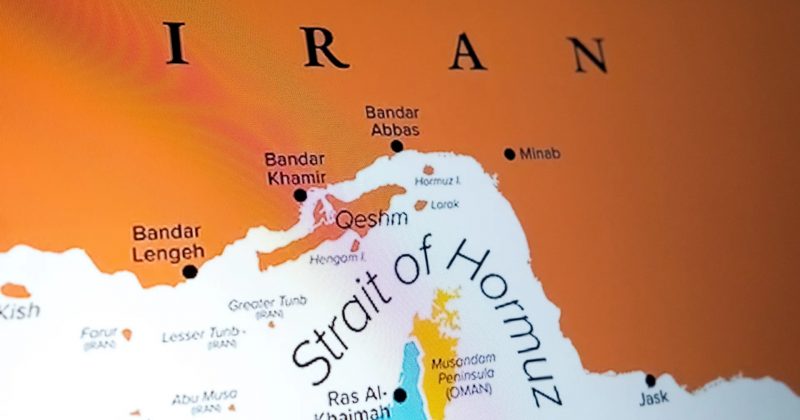
Geopolitical Flashpoint: US-Iran Strikes in Strait of Hormuz Send Markets on Edge
Amidst the kinetic conflict, a strategic layer emerges regarding a potential US-Iran deal involving reconstruction funding slated for 2026, currently sitting at a 26.5% approval threshold. The interplay between immediate military strikes and these long-term diplomatic frameworks will dictate the trajectory of global market volatility.
Trump Accuses China of 2020 Election Interference, Threatening Trade Truce
As the diplomatic landscape shifts, the impact on global trade remains uncertain. Market analysts are closely monitoring the situation, noting that a potential visit by Xi Jinping to the US before 2027—currently projected at an 89% probability—could be the decisive factor in preventing a full-scale trade war.
