Geopolitical Flashpoint: US-Iran Strikes in Strait of Hormuz Send Markets on Edge
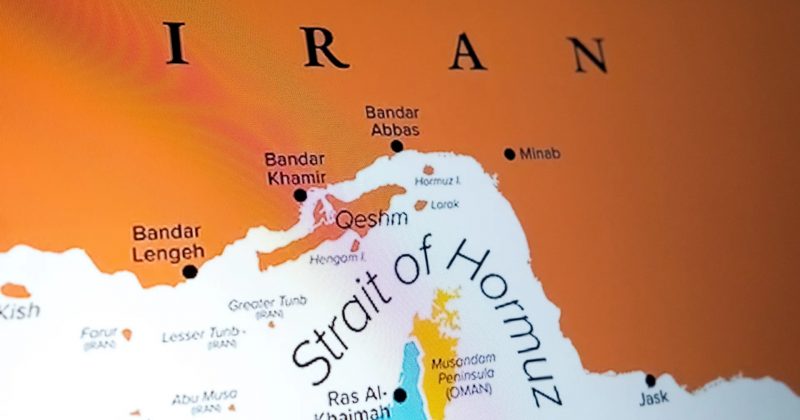
Global stability is under direct threat as US-Iran tensions escalate through military strikes centered around the volatile Strait of Hormuz. This sudden surge in military activity creates a high-stakes environment for international trade and energy security, forcing a rapid reassessment of geopolitical risk.
Amidst the kinetic conflict, a strategic layer emerges regarding a potential US-Iran deal involving reconstruction funding slated for 2026, currently sitting at a 26.5% approval threshold. The interplay between immediate military strikes and these long-term diplomatic frameworks will dictate the trajectory of global market volatility.
This is a summarized and adapted version by Artificial Intelligence. To read the complete original story, visit the official source.
Read Full Article at Crypto BriefingSupport Jornal Bitcoin
Independent journalism, curated by AI, no clickbait. Keep the flame alive with any amount of BTC.
jonata@walletofsatoshi.comDaily Crypto Brief 📬
Subscribe to receive the curation of the most important Bitcoin and crypto news, summarized by AI. No spam.
Join more than 10,000 smart readers.
Related News
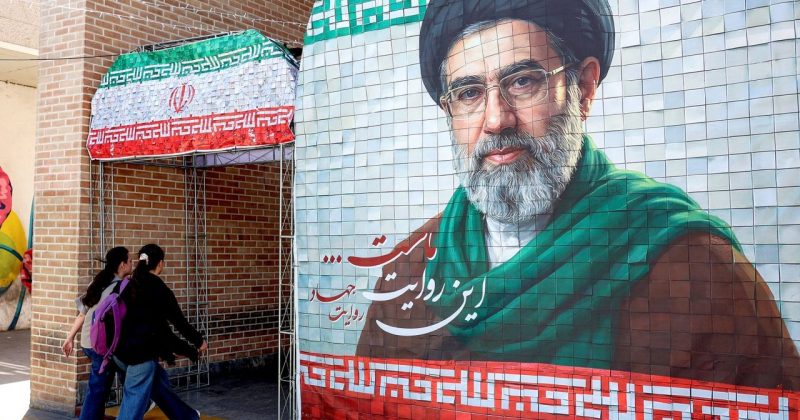
Geopolitical Shockwave: US Strikes in Iran Trigger Bitcoin Sell-off and Massive Liquidations
As the market reacts to the conflict, Bitcoin has dropped over 2%, leading to a staggering $350M in liquidations. Adding to the complexity, the US Treasury has frozen $344M in Iranian crypto assets, marking a significant intersection between military conflict and global financial warfare.

Global Chaos: Iranian Revolutionary Guard Halts Oil Exports, Sending Energy and Crypto Markets into Turmoil
Beyond the immediate energy crisis, this geopolitical shift highlights the critical impact of Iran's $3B crypto sanctions. As tensions rise, the intersection of energy scarcity and digital asset restrictions is creating a high-stakes environment, forcing market participants to navigate a landscape where geopolitical instability directly dictates asset pricing and liquidity.

Geopolitical Flashpoint: US Marines Board Tanker Amid Iranian Port Blockade
Despite the immediate friction, maritime intelligence suggests that traffic through the Strait of Hormuz is expected to normalize by July 31, with a narrow 0.9% variance. Investors and analysts are closely monitoring these geopolitical shifts, as sudden disruptions in energy corridors often trigger massive liquidity movements across both traditional and crypto markets.

Iran Conflict Threatens Riyadh’s Cultural Transformation, Warns Former Ambassador
This geopolitical friction creates significant uncertainty for the region's long-term stability and reform trajectory. With a 26.5% probability noted for a potential US-Iran deal by 2026, the immediate risk of conflict remains a critical variable for Riyadh's strategic evolution.

Geopolitical Shockwave: Polymarket Odds for U.S.–Iran Invasion Spike to 22.5%
As contingency plans are discussed in high-level diplomatic circles, the sudden shift in betting behavior highlights the growing fear of a regional conflict. Investors are closely watching these Polymarket trends to gauge the real-world impact of Middle East tensions on global stability and market sentiment.
Geopolitical Flashpoint: US Forces Disable Oil Tanker Breaching Iranian Blockade
The incident threatens to disrupt the Strait of Hormuz, a critical artery for global energy, delaying any potential normalization of maritime traffic. As market perceptions shift in response to this military escalation, the ripple effects are expected to impact both commodity prices and broader financial stability, creating a high-volatility environment for global investors.
