Geopolitical Shift: Polymarket Bets on US-Iran Ceasefire as Israel Faces Election Turmoil

Predictive markets are sensing a major shift in global tensions, with Polymarket pricing the probability of a US-Iran ceasefire at 53.5% by August 31. This significant signal suggests that decentralized forecasting tools are capturing a growing sentiment for de-escalation amidst escalating regional conflicts.
The geopolitical landscape is further complicated by the dissolution of Israel's Knesset, setting the stage for an October 27 election that serves as a high-stakes referendum on Netanyahu's leadership and the ongoing wars in Gaza, Lebanon, and Iran. As political structures shift, the intersection of election outcomes and international conflict remains a primary driver of market volatility.
Polymarket is currently pricing a 53.5% chance of a US-Iran ceasefire occurring by August 31. This prediction comes at a time of profound political upheaval following the dissolution of Israel's parliament, the Knesset.
The dissolution has triggered an election scheduled for October 27, which is being framed as a decisive referendum on Prime Minister Benjamin Netanyahu and the management of the wars in Gaza, Lebanon, and Iran. As the region teeters on the edge of further conflict, these prediction markets provide critical insights into the perceived likelihood of diplomatic breakthroughs.
This is a summarized and adapted version by Artificial Intelligence. To read the complete original story, visit the official source.
Read Full Article at Blockchain.newsSupport Jornal Bitcoin
Independent journalism, curated by AI, no clickbait. Keep the flame alive with any amount of BTC.
jonata@walletofsatoshi.comDaily Crypto Brief 📬
Subscribe to receive the curation of the most important Bitcoin and crypto news, summarized by AI. No spam.
Join more than 10,000 smart readers.
Related News

Maritime Chaos: Pirate Attacks in Gulf of Aden Trigger High Alert and Shipping Disruptions
Data suggests that the Bab el-Mandeb Strait could face effective closure or significant operational paralysis by September 30, with impact metrics hitting 21.5%. This sudden maritime instability threatens to disrupt global supply chains and increase volatility in trade-related commodities and logistics sectors.

Power Struggle Unveiled: Fedorov's Ouster and the Pressure on Zelensky
Adding to the geopolitical tension, market sentiment indicators show a stark reality: only 19.5% of respondents believe a peace deal with Russia will be reached before 2027. This lack of diplomatic foresight, combined with domestic political shifts, underscores the prolonged uncertainty facing the region.

Bitcoin Slump: BTC Drops to $63K Amid Iran Conflict and Trump's China Allegations
Adding to the market turbulence, Donald Trump's recent allegations regarding Chinese interference in U.S. elections have heightened macroeconomic uncertainty. The intersection of Middle East instability and U.S.-China tensions is currently the primary driver for the BTC price action.
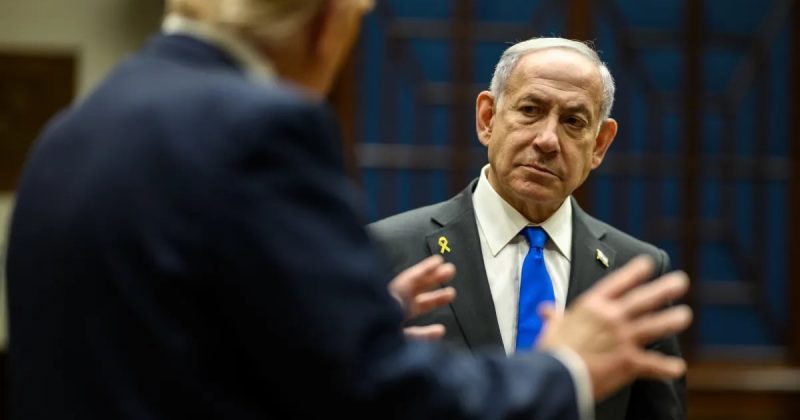
Geopolitical Flashpoint: Iran Warns of Israeli Interference in U.S. Policy Amid 2026 Crisis Fears
As the world looks toward a potential crisis in 2026, attention is turning to a proposed U.S.-Iran deal involving massive reconstruction funding. The interplay between Israeli influence and American foreign policy remains a critical variable for international stability and long-term economic forecasting.

Polymarket Surge: Le Pen Skyrockets to 33% in France 2027 Race as Volume Hits $114M
This sudden spike in probability and trading volume underscores the growing importance of decentralized prediction markets in gauging geopolitical shifts. As investors flock to these platforms, the massive capital inflow highlights how blockchain-based forecasting is becoming a critical tool for analyzing high-stakes political outcomes.
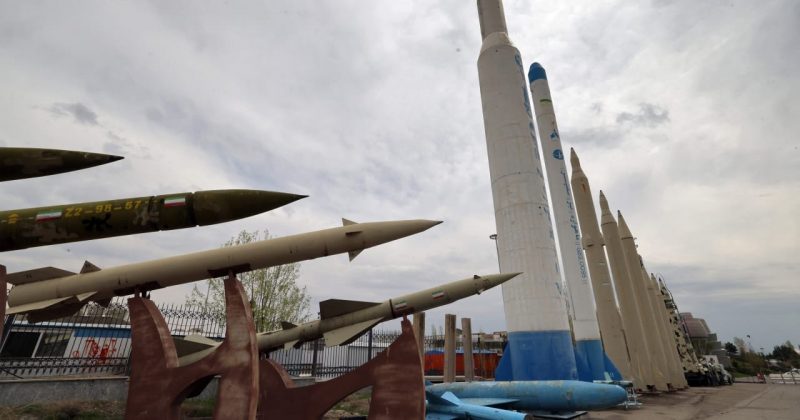
Geopolitical Crisis: Iran Fires Missiles at Gulf States Amid Escalating US Airstrikes
As the situation evolves, market sentiment is reacting to extreme long-term forecasts, including a 23.5% probability of a US invasion of Iran before 2027. For the crypto community, these escalating tensions underscore the critical role of digital assets as a hedge against sudden geopolitical shocks and systemic instability.
