Geopolitical Shockwave: US Strikes in Iran Trigger Bitcoin Sell-off and Massive Liquidations

Geopolitical instability has surged following US airstrikes that killed eight individuals in Iran near the Strait of Hormuz. This escalation has sent immediate ripples through the digital asset markets, forcing investors to reassess risk levels.
As the market reacts to the conflict, Bitcoin has dropped over 2%, leading to a staggering $350M in liquidations. Adding to the complexity, the US Treasury has frozen $344M in Iranian crypto assets, marking a significant intersection between military conflict and global financial warfare.
Bitcoin saw a price drop exceeding 2%, contributing to $350M in total liquidations. Simultaneously, the US Treasury moved to freeze $344M in Iranian cryptocurrency holdings, highlighting how state-level sanctions and military actions continue to dictate the momentum of the crypto market.
This is a summarized and adapted version by Artificial Intelligence. To read the complete original story, visit the official source.
Read Full Article at Crypto BriefingSupport Jornal Bitcoin
Independent journalism, curated by AI, no clickbait. Keep the flame alive with any amount of BTC.
jonata@walletofsatoshi.comDaily Crypto Brief 📬
Subscribe to receive the curation of the most important Bitcoin and crypto news, summarized by AI. No spam.
Join more than 10,000 smart readers.
Related News
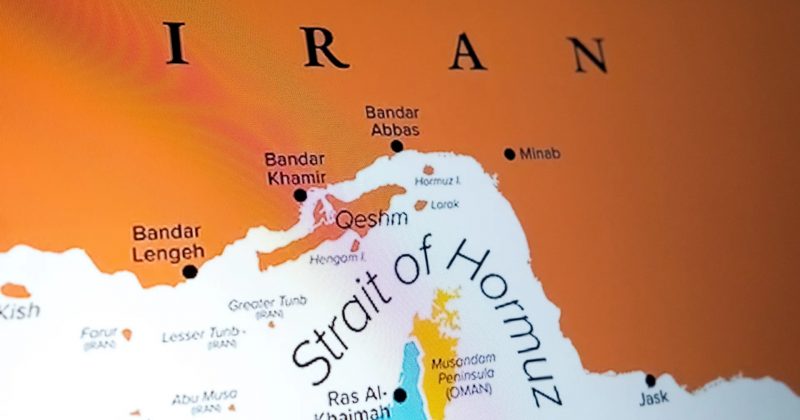
Geopolitical Flashpoint: US-Iran Strikes in Strait of Hormuz Send Markets on Edge
Amidst the kinetic conflict, a strategic layer emerges regarding a potential US-Iran deal involving reconstruction funding slated for 2026, currently sitting at a 26.5% approval threshold. The interplay between immediate military strikes and these long-term diplomatic frameworks will dictate the trajectory of global market volatility.
Bitcoin Civil War? Ordinals Dev Proposes '$DOG Mode' Client to Bypass Bitcoin Core Limits
By lowering the dust limit to just 1 satoshi, $DOG Mode seeks to empower users to move fungible and non-fungible tokens without the friction imposed by current protocols. While critics label these activities as 'spam,' Leonidas argues that economic incentives will eventually force the network to stop gatekeeping valid transactions. This development could fundamentally shift Bitcoin's role from a simple store of value to a versatile platform for digital assets.

Global Shock: China's Oil Imports Plunge to Lowest Levels Since 2016 Amid Iran Conflict
As crude oil prices eye new all-time highs by September 30, with a projected 5.1% surge, the market is bracing for extreme volatility. Investors are closely watching for signs of a partial recovery in Chinese demand, as the interplay between Middle Eastern geopolitics and major economic powers continues to dictate the rhythm of global commodity markets.
Block Space War: DOG Mode Launches to Challenge Bitcoin's Transaction Limits
By challenging existing anti-spam protocols, DOG Mode aims to facilitate a massive surge in Ordinals and Runes activity. The success of this alternative client could fundamentally reshape how Bitcoin handles high-data protocols and manages the ongoing debate over network scalability and congestion.
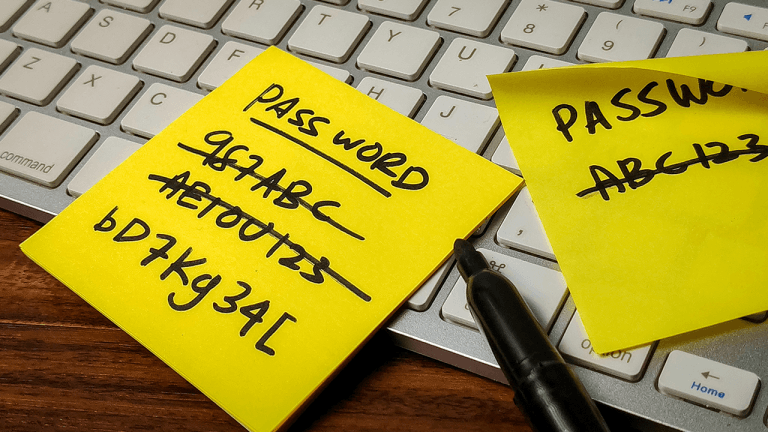
The $840 Million Mistake: Programmer Has Only 2 Password Guesses Left Before Bitcoin Vanishes
This high-stakes situation underscores the unforgiving nature of self-custody and the critical importance of hardware security. Should Thomas fail his final two attempts, an estimated $840 million worth of Bitcoin will be permanently deleted from the blockchain, highlighting the extreme risks associated with managing private keys and encrypted storage devices.

Bitcoin's Anti-Spam War: The 'DOG Mode' Client That Bypasses Consensus
Unlike traditional governance-heavy proposals, the DOG Mode client seeks to do the exact opposite of restriction, aiming for expansion without requiring a formal vote. This development signals a potential shift in how node operators and developers approach scalability and network rules without waiting for miner approval.
