Geopolitical Flashpoint: Saudi-led Coalition Moves to Secure Bab el-Mandeb Amid Houthi Threats
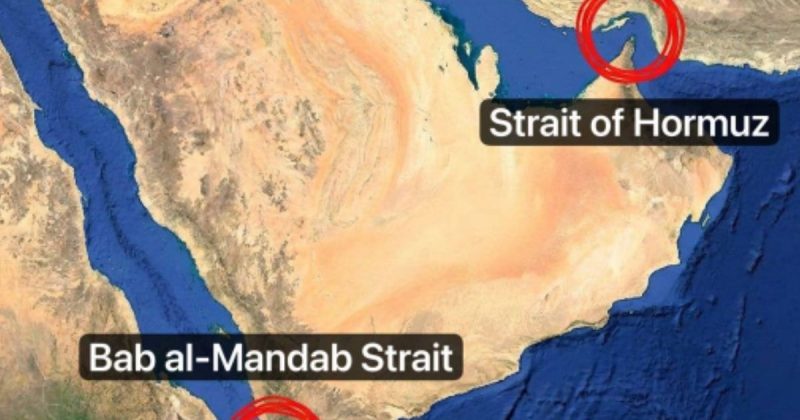
Geopolitical tensions have reached a boiling point as a Saudi-led coalition vows to safeguard the critical Bab el-Mandeb shipping lanes against escalating Houthi threats. This decisive stance aims to prevent a total disruption of maritime corridors that are essential for global trade stability.
Market sentiment reflects growing anxiety, with projections suggesting a 52.5% probability of successful Houthi targeting of shipping vessels by July 31. This heightened state of conflict poses a direct threat to international logistics and could trigger significant volatility across global economic sectors.
A Saudi-led coalition has vowed to protect the Bab el-Mandeb shipping lanes in response to persistent threats from Houthi rebels. The intervention is designed to secure one of the world's most vital maritime chokepoints.
As of current assessments, there is a 52.5% probability that Houthi forces will successfully target shipping operations by July 31. The ongoing instability in the region continues to be a major driver of geopolitical risk and supply chain uncertainty.
This is a summarized and adapted version by Artificial Intelligence. To read the complete original story, visit the official source.
Read Full Article at Crypto BriefingSupport Jornal Bitcoin
Independent journalism, curated by AI, no clickbait. Keep the flame alive with any amount of BTC.
jonata@walletofsatoshi.comDaily Crypto Brief 📬
Subscribe to receive the curation of the most important Bitcoin and crypto news, summarized by AI. No spam.
Join more than 10,000 smart readers.
Related News

Market Shock: Polymarket Predicts US May Halt Iran Offensive Operations by 2026
For crypto investors, these geopolitical indicators are vital, as Middle East tensions often drive market volatility and macro shifts. Understanding these prediction markets is key to navigating how global political stability—or the lack thereof—will impact asset prices and broader economic trends.
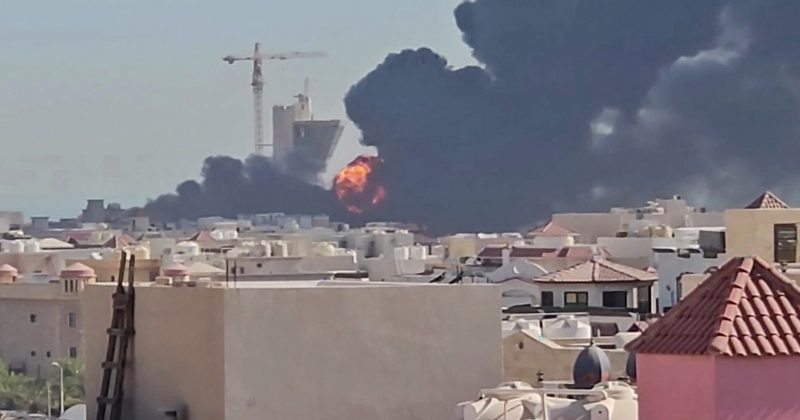
Geopolitical Escalation: IRGC Destroys US Radar and Strikes Bases in Kuwait
By targeting a Gulf state, the IRGC has fundamentally shifted the regional security paradigm, raising the specter of a large-scale military retaliation. The impact of these strikes extends beyond the battlefield, threatening to destabilize global energy corridors and trigger massive volatility in international markets.

Iran Crackdown: Two Sentenced to Death as Regime Stability Faces Critical Test
Beyond the immediate judicial actions, the political landscape is shifting rapidly, with some analysts forecasting a potential collapse of the Iranian regime by the end of 2026. The combination of violent repression and growing civil defiance suggests a volatile period ahead for the Middle East and global geopolitical stability.

Bitcoin Surges to Two-Week High Near $65,500 as Chip Trade Rebounds
Adding to this bullish momentum, Bitcoin ETFs have seen a massive five-day inflow streak exceeding $600 million, demonstrating institutional conviction. Furthermore, a pullback in oil prices driven by Middle East diplomacy is easing global inflationary concerns, providing the necessary liquidity and stability for Bitcoin to test higher resistance levels.

Geopolitical Flashpoint: Iran Rejects US and Israeli Influence Amid Escalating Conflict
Amidst the rising friction, reports indicate a potential US-Iran deal involving reconstruction funding slated for 2026, though it currently holds a mere 28.5% approval rating. The intersection of military escalation and failed diplomatic frameworks suggests a prolonged period of instability that could have far-reaching consequences for international relations and market sentiment.
Energy Crisis Alert: US Strategic Oil Reserves Plunge to 43-Year Low
Market forecasts suggest a looming surge in crude oil prices, with projections indicating a 6.7% rise by September 30 and a staggering 14% increase by December 31. Such volatility is expected to drive crude oil toward new all-time highs, potentially triggering broader economic shifts.
