Geopolitical Escalation: IRGC Destroys US Radar and Strikes Bases in Kuwait
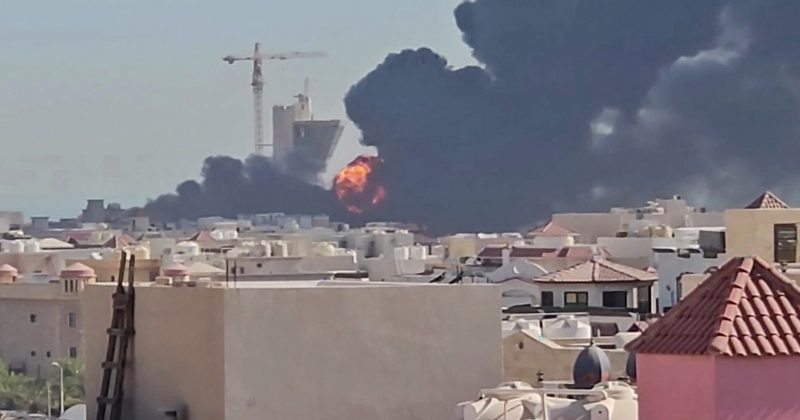
The Middle East geopolitical landscape has reached a critical flashpoint as the IRGC successfully destroyed a strategic US radar and launched strikes against military bases in Kuwait. This direct military action signals a dangerous escalation, moving beyond rhetoric into active combat against US-aligned assets in the Gulf region.
By targeting a Gulf state, the IRGC has fundamentally shifted the regional security paradigm, raising the specter of a large-scale military retaliation. The impact of these strikes extends beyond the battlefield, threatening to destabilize global energy corridors and trigger massive volatility in international markets.
The Islamic Revolutionary Guard Corps (IRGC) has escalated regional tensions by destroying a US radar system and striking military bases located in Kuwait. This aggressive maneuver marks a significant shift in the conflict, as military actions are now directly targeting US infrastructure and allied bases within the Gulf. The incident serves as a stark warning of the intensifying military confrontation in the Middle East.
This is a summarized and adapted version by Artificial Intelligence. To read the complete original story, visit the official source.
Read Full Article at Crypto BriefingSupport Jornal Bitcoin
Independent journalism, curated by AI, no clickbait. Keep the flame alive with any amount of BTC.
jonata@walletofsatoshi.comDaily Crypto Brief 📬
Subscribe to receive the curation of the most important Bitcoin and crypto news, summarized by AI. No spam.
Join more than 10,000 smart readers.
Related News

US and China Set High-Stakes AI Summit for September Led by Treasury Secretary
This diplomatic push represents a significant effort to prevent technological decoupling from turning into uncontrolled conflict. As the US and China navigate the complexities of artificial intelligence, the outcome of these talks will likely shape global AI safety standards and influence international tech markets.
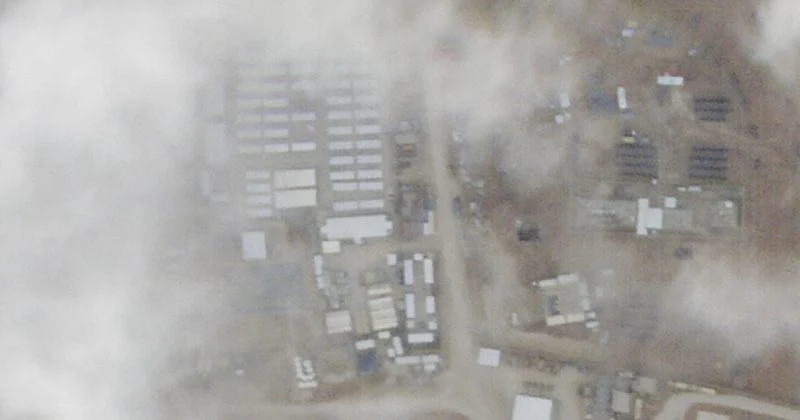
Geopolitical Crisis: US Troops Killed in Jordan Strike Amid Rising Middle East Tensions
With reports suggesting a potential full airspace closure in Iran by August 31, the threat of a broader regional conflict looms large. This heightened uncertainty is expected to drive significant volatility across crypto markets, as traders react to the shifting landscape of global security and potential energy supply disruptions.
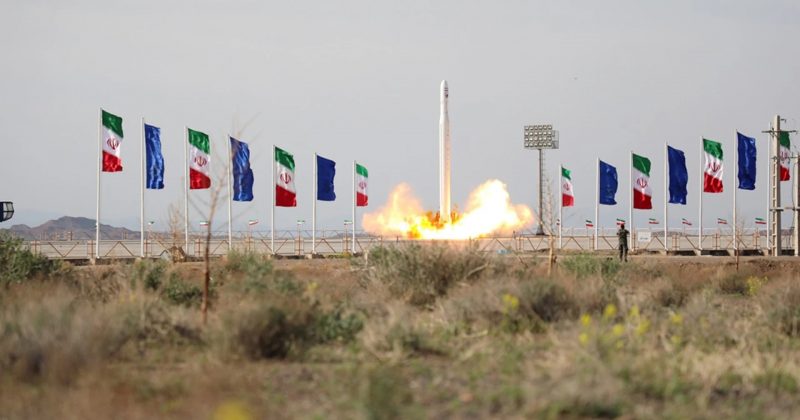
Geopolitical Standoff: Iran Unlikely to Back Down Despite U.S. Military Pressure
Looking ahead to 2026, potential deal frameworks include reconstruction funding and a uranium enrichment cap set at 32.5%. The persistence of this conflict between Iran and the U.S. continues to shape global risk assessments and long-term economic stability.
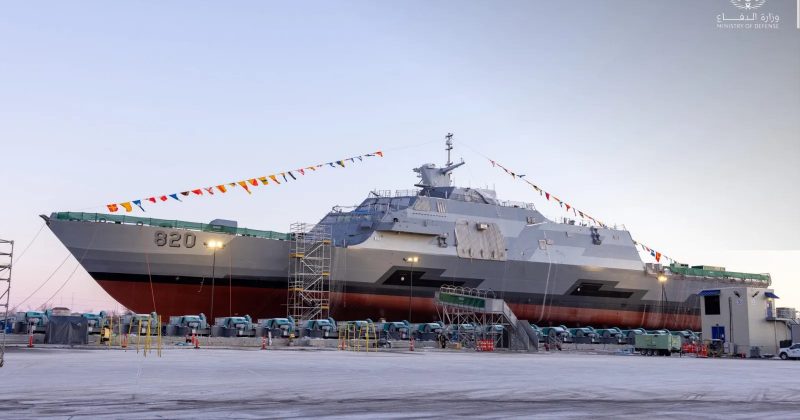
Geopolitical Flashpoint: Saudi-led Coalition Vows Ship Protection Amid Escalating Houthi Blockade
Market intelligence suggests a high-risk environment, with projections indicating a 59% probability that Houthi forces will successfully target shipping by July 31. This heightened geopolitical tension poses a direct threat to global supply chains and could trigger significant volatility across international markets.

Iran Crackdown: Two Sentenced to Death as Regime Stability Faces Critical Test
Beyond the immediate judicial actions, the political landscape is shifting rapidly, with some analysts forecasting a potential collapse of the Iranian regime by the end of 2026. The combination of violent repression and growing civil defiance suggests a volatile period ahead for the Middle East and global geopolitical stability.

Polymarket Odds Signal 4% China-Taiwan Invasion Risk Following Joint Sino-Russian Drills
This escalation underscores the intensifying geopolitical friction and the strategic alignment between China and Russia. As these prediction markets provide real-time sentiment on global stability, the increased risk profile serves as a critical signal for macro analysts monitoring how regional conflicts might trigger broader market volatility and shifts in global liquidity.
