Iran Crackdown: Two Sentenced to Death as Regime Stability Faces Critical Test
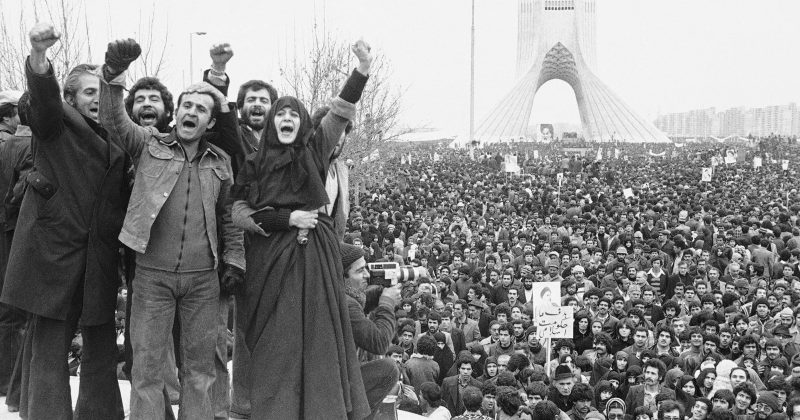
The Iranian regime has escalated its crackdown on domestic dissent, handing down death sentences to two individuals amidst a wave of intense protests. This authoritative move to suppress civil unrest highlights the government's reliance on capital punishment to maintain control over a fracturing society.
Beyond the immediate judicial actions, the political landscape is shifting rapidly, with some analysts forecasting a potential collapse of the Iranian regime by the end of 2026. The combination of violent repression and growing civil defiance suggests a volatile period ahead for the Middle East and global geopolitical stability.
The Iranian regime has sentenced two individuals to death as part of an intensified crackdown on ongoing protests. As the government employs extreme measures to stifle dissent, the internal pressure continues to mount. Amidst this turmoil, speculative models suggest a 10.5% chance that the current regime could fall by the end of 2026, underscoring the profound instability currently facing the nation's leadership.
This is a summarized and adapted version by Artificial Intelligence. To read the complete original story, visit the official source.
Read Full Article at Crypto BriefingSupport Jornal Bitcoin
Independent journalism, curated by AI, no clickbait. Keep the flame alive with any amount of BTC.
jonata@walletofsatoshi.comDaily Crypto Brief 📬
Subscribe to receive the curation of the most important Bitcoin and crypto news, summarized by AI. No spam.
Join more than 10,000 smart readers.
Related News

Regulatory Exodus? Gate Europe CEO Warns MiCA Compliance Costs Could Force Crypto Firms Out of EU
This trend highlights a growing divide in the digital asset sector, where the high barrier to entry created by MiCA favors only the most well-capitalized entities. As regulatory requirements intensify, the industry faces a potential consolidation phase, where the ability to absorb operational costs becomes more critical than technological innovation itself.

Oil Surges Near $90: Why is Bitcoin Holding Strong Above $66,000?
While geopolitical tensions involving US-Iran ceasefire proposals cause fluctuations in oil prices, the Bitcoin price action has remained robust, navigating an intraday range between $63,100 and $66,313. This decoupling suggests that the Bitcoin market may be reacting to unique liquidity drivers rather than following the inflationary pressures typically associated with rising oil costs.
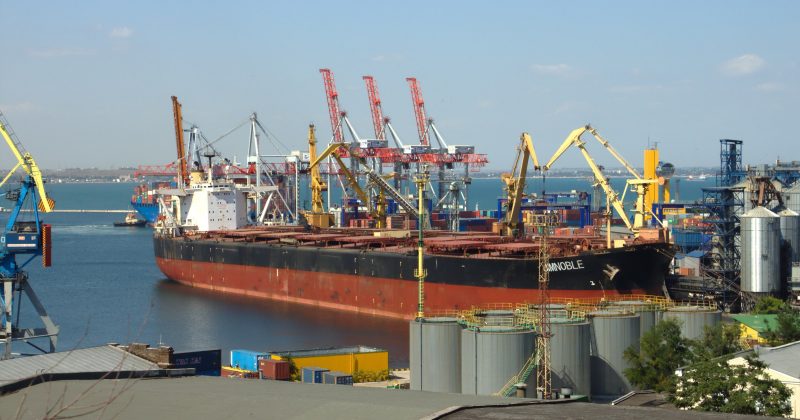
Russian Strike on Odesa Port: New Projections on Crimea Recapture
Amidst the kinetic warfare, emerging data provides a controversial outlook on the long-term conflict, suggesting an 8.5% chance of Ukraine recapturing Crimea by December 31, 2026. As the strike on Odesa unfolds, the global community remains focused on these shifting military dynamics and their potential to reshape the geopolitical landscape.
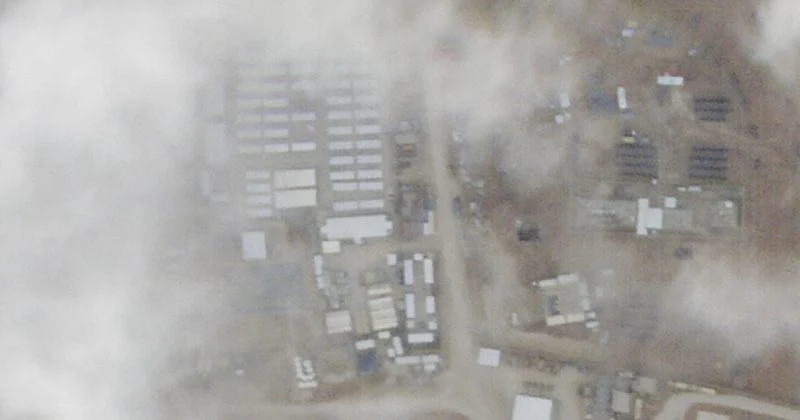
Geopolitical Crisis: US Troops Killed in Jordan Strike Amid Rising Middle East Tensions
With reports suggesting a potential full airspace closure in Iran by August 31, the threat of a broader regional conflict looms large. This heightened uncertainty is expected to drive significant volatility across crypto markets, as traders react to the shifting landscape of global security and potential energy supply disruptions.
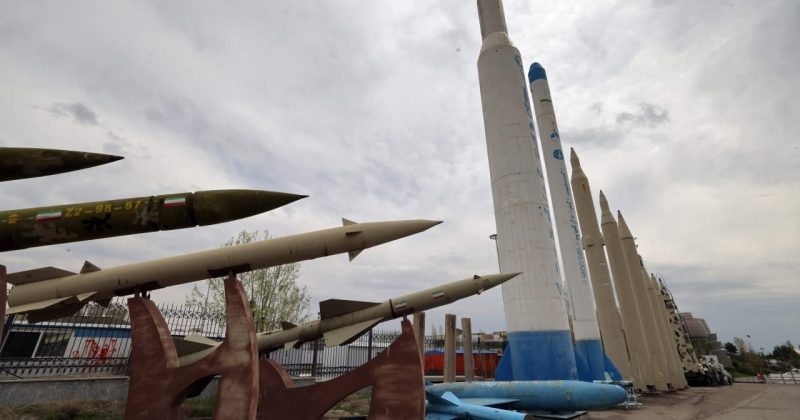
Geopolitical Flashpoint: Iran Strikes U.S. Positions with Missiles and Drones Amid Rising Conflict
With a full airspace closure projected by July 31, the logistical and economic ramifications could be profound. As uncertainty grows, the crypto market remains highly sensitive to such macro events, often seeing a flight to quality or increased volatility in response to sudden military escalations.
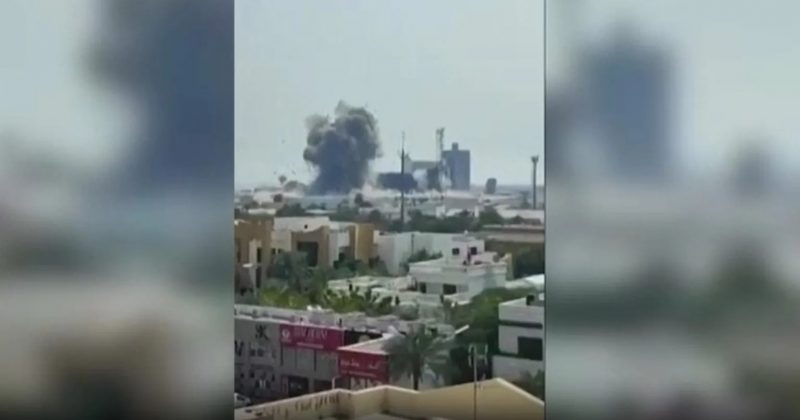
Middle East Escalation: Bahrain Intercepts Iranian Missile and Drone Attacks
The impact of these Iranian military actions extends beyond local borders, posing a severe threat to global energy security and maritime trade routes. As the situation evolves, the potential for a broader conflict remains high, creating a ripple effect of uncertainty that could trigger massive volatility across international financial markets.
