Geopolitical Flashpoint: Iran Rejects US and Israeli Influence Amid Escalating Conflict

The global geopolitical landscape is entering a period of high volatility as Iran officially rejects US and Israeli influence amidst the escalating conflict in the Middle East. This defiant stance marks a significant breakdown in Western diplomatic efforts, heightening regional tensions and creating immediate uncertainty for global stability.
Amidst the rising friction, reports indicate a potential US-Iran deal involving reconstruction funding slated for 2026, though it currently holds a mere 28.5% approval rating. The intersection of military escalation and failed diplomatic frameworks suggests a prolonged period of instability that could have far-reaching consequences for international relations and market sentiment.
Iran has firmly rejected any influence from the United States and Israel as conflicts continue to escalate in the region. This rejection underscores a hardening of Tehran's position against Western intervention. Amidst the tension, discussions regarding a US-Iran deal involving reconstruction funding for 2026 have surfaced, but with a current approval rating of only 28.5%, the path to a peaceful resolution remains highly uncertain and fraught with geopolitical risk.
This is a summarized and adapted version by Artificial Intelligence. To read the complete original story, visit the official source.
Read Full Article at Crypto BriefingSupport Jornal Bitcoin
Independent journalism, curated by AI, no clickbait. Keep the flame alive with any amount of BTC.
jonata@walletofsatoshi.comDaily Crypto Brief 📬
Subscribe to receive the curation of the most important Bitcoin and crypto news, summarized by AI. No spam.
Join more than 10,000 smart readers.
Related News

Massive Inflow: Foreign Investors Flood US Stock Market with $121 Billion in a Single Month
Data reveals that foreign private sector net purchases reached $35.2 billion in May alone, marking the second-largest monthly inflow on record. With year-to-date totals skyrocketing to $270 billion, this aggressive capital movement highlights a significant trend in global wealth reallocation toward US-based assets.
Crypto Markets Surge as Trump-Backed Regulatory Clarity and Asian Chip Rebound Fuel Rally
This surge is further amplified by a strategic rebound in Asian chip stocks, creating a synchronized momentum across tech and digital assets. As regulatory clarity approaches, the synergy between semiconductor strength and crypto market optimism suggests a broader shift in global risk appetite.

Worldcoin Surge: WLD Jumps 8% Following Grayscale ETF Filing
However, the bullish sentiment is tempered by underlying structural risks, including extreme wallet concentration and ongoing regulatory bans in multiple regions. While the prospect of a Worldcoin ETF is a major milestone, the project must still navigate a complex landscape of legal challenges and centralized supply concerns.
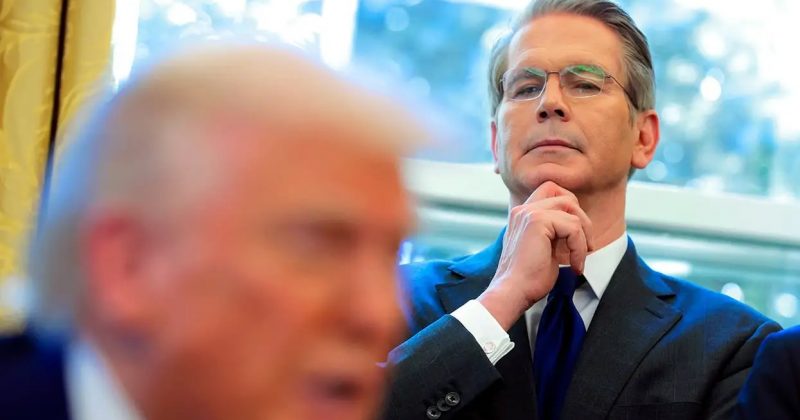
US and China Set High-Stakes AI Summit for September Led by Treasury Secretary
This diplomatic push represents a significant effort to prevent technological decoupling from turning into uncontrolled conflict. As the US and China navigate the complexities of artificial intelligence, the outcome of these talks will likely shape global AI safety standards and influence international tech markets.

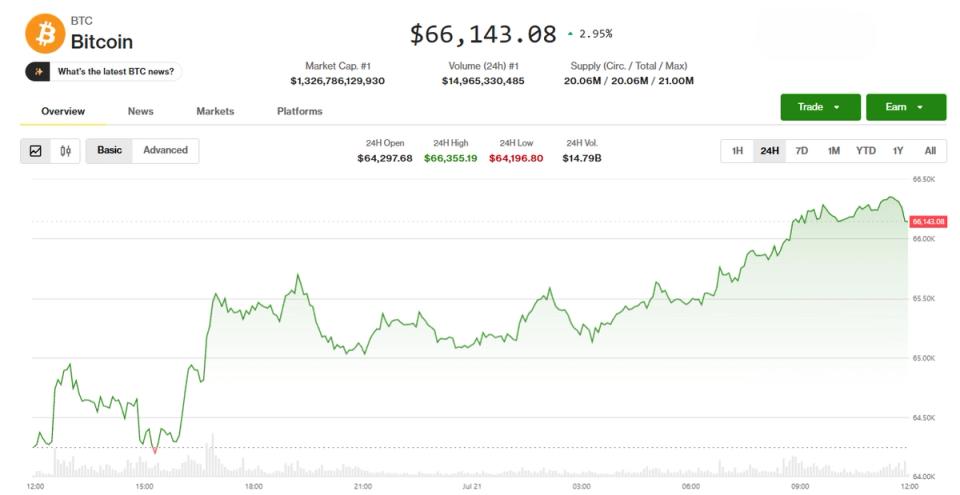
Oil Surges Near $90: Why is Bitcoin Holding Strong Above $66,000?
While geopolitical tensions involving US-Iran ceasefire proposals cause fluctuations in oil prices, the Bitcoin price action has remained robust, navigating an intraday range between $63,100 and $66,313. This decoupling suggests that the Bitcoin market may be reacting to unique liquidity drivers rather than following the inflationary pressures typically associated with rising oil costs.
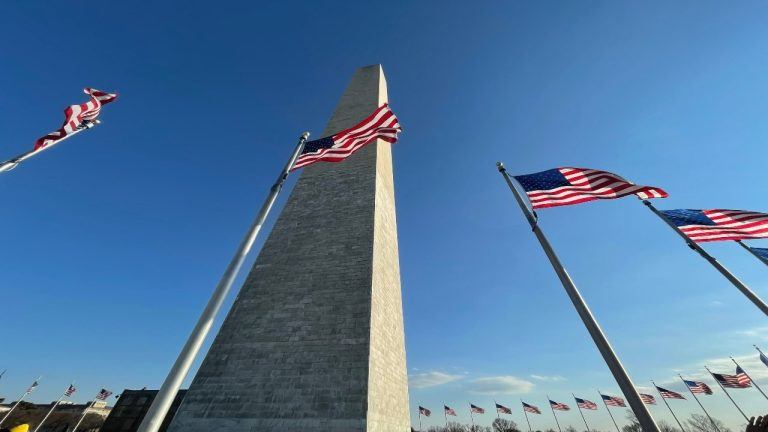
Legal Blow: Washington Judge Rejects Kalshi’s Federal Defense, Grants State Injunction
This ruling intensifies the ongoing debate regarding regulatory fragmentation and the legal standing of prediction markets. While a final decision on the restrictions is not expected until August, the case highlights the growing tension between federal registration and state-level oversight in the evolving digital asset landscape.
