Polymarket Odds Peg Israel-Iran Ceasefire at 99.6% Through July 18

Polymarket prediction market odds have surged to a near-certain 99.6% probability for an Israel-Iran ceasefire by July 18. This massive shift in sentiment highlights how decentralized prediction markets are becoming essential tools for gauging geopolitical stability and real-world conflict outcomes.
However, the broader security landscape remains fraught with tension. Israel’s Foreign Ministry has noted a record surge in antisemitic incidents globally over the past year, signaling that while a ceasefire may be anticipated, the underlying security pressures and geopolitical volatility continue to escalate beyond Israel's borders.
According to the latest data from Polymarket, the odds for an Israel-Iran ceasefire by July 18 are currently pegged at a staggering 99.6%. The decentralized prediction platform provides a high-stakes look at how global actors and investors perceive the likelihood of peace in the Middle East.
Amidst these market projections, security concerns are mounting. Israel’s Foreign Ministry reported handling a record number of antisemitic incidents abroad over the last year, underscoring the heightened security pressure and complex social tensions that persist outside of the immediate conflict zone.
This is a summarized and adapted version by Artificial Intelligence. To read the complete original story, visit the official source.
Read Full Article at Blockchain.newsSupport Jornal Bitcoin
Independent journalism, curated by AI, no clickbait. Keep the flame alive with any amount of BTC.
jonata@walletofsatoshi.comDaily Crypto Brief 📬
Subscribe to receive the curation of the most important Bitcoin and crypto news, summarized by AI. No spam.
Join more than 10,000 smart readers.
Related News

FIFA 2026 World Cup: $51M Winner Prize as Crypto Prediction Markets Surge Past $4B
This surge is headlined by platforms like Polymarket, which have officially surpassed $4 billion in trading volume. The massive liquidity flowing into these crypto prediction markets demonstrates how global sporting events are becoming primary catalysts for decentralized finance and high-stakes digital speculation.
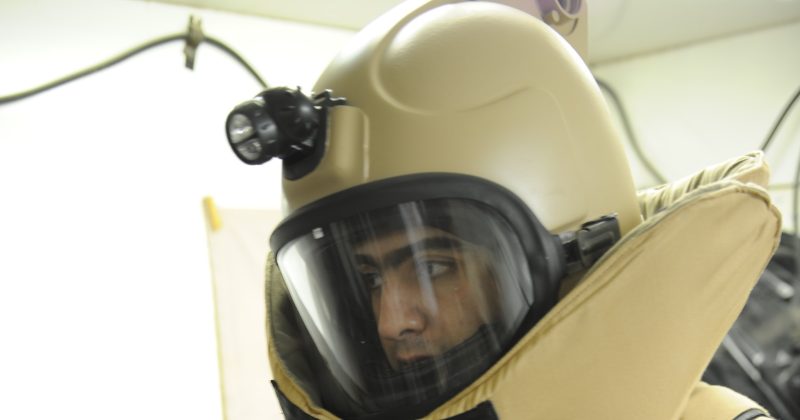
Middle East Escalation: US Soldier Killed in Iraq Amid Rising Iran Tensions
The fatality occurs against the backdrop of potential military escalations involving Iran and Gulf states. As regional friction intensifies, the global community remains on high alert, watching for any developments that could trigger broader conflict or significant macroeconomic shifts.
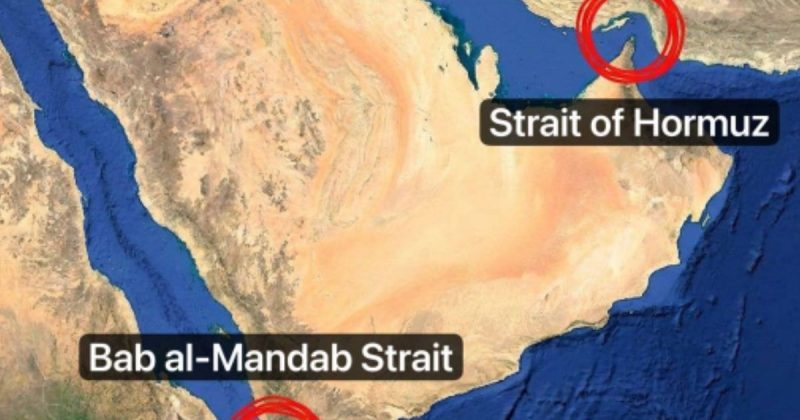
Geopolitical Alert: Ansarullah Warns of Potential Bab el-Mandeb Closure Amid Rising Tensions
While traffic through the Strait of Hormuz remains normal, the looming instability in Bab el-Mandeb creates a high-risk environment for global trade routes. Investors should monitor these geopolitical shifts closely, as any disruption to these critical chokepoints can have cascading effects on global economic stability and asset pricing.

Hormuz Strait Stability: Polymarket Predicts 98.7% Chance of Normalization by July 31
Nevertheless, the underlying tension is far from resolved as reports suggest Jerusalem is bracing for potential combat with Iran. As the United States weighs its strategic next steps, the threat of military escalation remains a significant tail risk that could abruptly disrupt global energy flows and market stability.
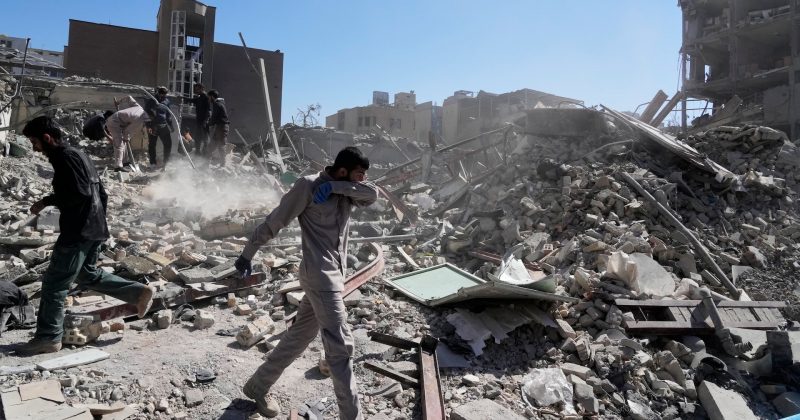
Geopolitical Flashpoint: US Airstrikes Hit Abadan as Iran Conflict Escalates
Risk assessment models are flashing warnings, with a 36.5% probability of airspace closure by July and a 10.5% chance of the Iranian regime falling by the end of 2026. As this escalation of conflict unfolds, the potential for massive volatility in both traditional and crypto markets remains at an all-time high.
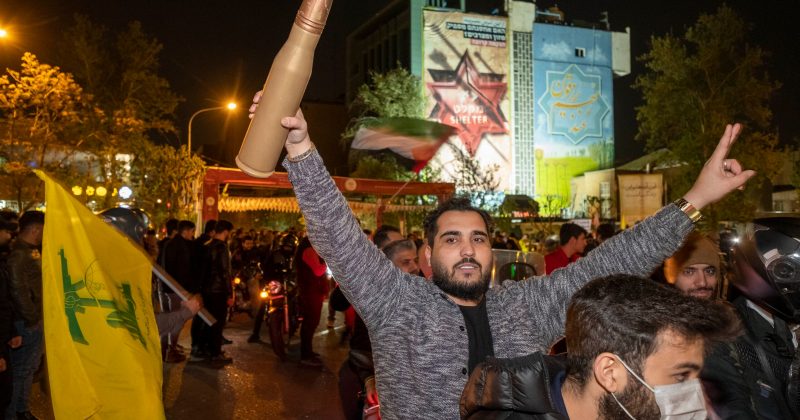
Middle East Crisis: Jordan Protests Iranian Attacks, Demanding Immediate Halt
The likelihood of a successful US-Iran deal has plummeted, leaving the diplomatic landscape in a state of flux. Furthermore, with reconstruction funding sitting at a mere 26%, the economic fallout from these tensions threatens to prolong instability and reshape global macroeconomic trends.
