Middle East Crisis: Jordan Protests Iranian Attacks, Demanding Immediate Halt
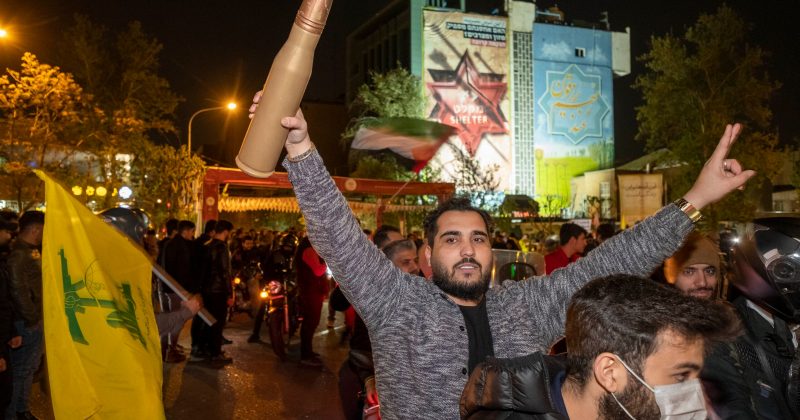
Jordan has officially protested against recent Iranian attacks, demanding an immediate halt to hostilities as regional tensions reach a breaking point. This geopolitical friction is a major driver of market uncertainty, potentially influencing liquidity flows and the broader risk appetite within the crypto ecosystem.
The likelihood of a successful US-Iran deal has plummeted, leaving the diplomatic landscape in a state of flux. Furthermore, with reconstruction funding sitting at a mere 26%, the economic fallout from these tensions threatens to prolong instability and reshape global macroeconomic trends.
Jordan has issued a formal protest against Iranian attacks, demanding an immediate halt to the aggression amid escalating regional tensions. The geopolitical landscape is shifting rapidly as the probability of a US-Iran deal drops significantly. Additionally, reconstruction funding remains low at just 26%, highlighting the deep economic and political challenges facing the region in the wake of these conflicts.
This is a summarized and adapted version by Artificial Intelligence. To read the complete original story, visit the official source.
Read Full Article at Crypto BriefingSupport Jornal Bitcoin
Independent journalism, curated by AI, no clickbait. Keep the flame alive with any amount of BTC.
jonata@walletofsatoshi.comDaily Crypto Brief 📬
Subscribe to receive the curation of the most important Bitcoin and crypto news, summarized by AI. No spam.
Join more than 10,000 smart readers.
Related News

South China Sea Escalation: Chinese Coast Guard Strikes Philippine Sailor
Predictive models currently assign an 11.5% probability to a full-scale military clash between China and the Philippines before 2027. Such geopolitical instability serves as a major catalyst for market volatility, potentially impacting global trade routes and investor sentiment across all asset classes.

Brent Crude Surges 14% as US-Iran Tensions Threaten Global Oil Supply
As supply chains face significant interruptions, market forecasts suggest a bullish trend that could push Brent to new all-time highs by December 31. Investors are closely monitoring these developments, as a projected 11.5% increase could signal a prolonged period of energy volatility and economic shifts.

Geopolitical Alert: Iran’s Interior Minister Visits Pakistan Amid Escalating U.S. Tensions
This strategic engagement aims to fortify regional ties at a time when geopolitical instability could trigger significant volatility in digital asset markets. As diplomatic maneuvers continue, the potential impact on global liquidity and risk appetite remains a primary concern for institutional investors navigating the current landscape.

Middle East Escalation: UK Navy Vessel Hit by Projectile, Crew Forced to Abandon Ship
As a direct consequence, the probability of a closure in the Bab el-Mandeb Strait has risen to 24.5% by September 30. Investors should monitor this situation closely, as disruptions in this strategic chokepoint could trigger broader economic instability and market volatility across global sectors.
Polymarket Odds Bet Big: BTC Above $54K Guaranteed, but $64K Remains a Toss-Up
Macroeconomic headwinds are intensifying as oil prices hit a one-month high following escalating U.S.-Iran strikes. This geopolitical instability is reviving fears of persistent inflation and aggressive interest rate policies, both of which pose a direct threat to risk assets like Bitcoin and the broader crypto market.

Geopolitical Flashpoint: US Projectiles Hit Iran’s Bushehr Province as War Risks Surge
Market indicators currently suggest a 5.5% probability of a formal U.S. declaration of war against Iran by December 31, 2026. This growing geopolitical uncertainty is forcing analysts to reassess the potential for large-scale military conflict in the near future.
