Geopolitical Flashpoint: US Airstrikes Hit Abadan as Iran Conflict Escalates

The geopolitical landscape has shifted violently following US airstrikes targeting Abadan in Iran. This direct military action marks a significant escalation of conflict, heightening fears of a broader regional war and triggering immediate concerns regarding global market stability.
Risk assessment models are flashing warnings, with a 36.5% probability of airspace closure by July and a 10.5% chance of the Iranian regime falling by the end of 2026. As this escalation of conflict unfolds, the potential for massive volatility in both traditional and crypto markets remains at an all-time high.
Tensions in the Middle East have reached a breaking point as US airstrikes targeted Abadan, Iran. This escalation of conflict signals a dangerous shift in regional dynamics, raising the stakes for international security and global economic stability.
According to recent briefings, there is a 36.5% probability of airspace closure by July, while a 10.5% probability exists for the collapse of the Iranian regime by the end of 2026. Investors are closely monitoring these developments, as such high-stakes geopolitical shifts often lead to extreme volatility across all asset classes.
This is a summarized and adapted version by Artificial Intelligence. To read the complete original story, visit the official source.
Read Full Article at Crypto BriefingSupport Jornal Bitcoin
Independent journalism, curated by AI, no clickbait. Keep the flame alive with any amount of BTC.
jonata@walletofsatoshi.comDaily Crypto Brief 📬
Subscribe to receive the curation of the most important Bitcoin and crypto news, summarized by AI. No spam.
Join more than 10,000 smart readers.
Related News

Middle East Chaos: IRGC Strikes US Bases as Bitcoin Whipsaws Near $100K Milestone
The convergence of geopolitical instability and Bitcoin volatility highlights the asset's sensitivity to global risk. As markets attempt to price in the potential for a wider conflict, the extreme price swings between $99.5K and $102K underscore the high-stakes environment facing crypto traders and institutional investors alike.
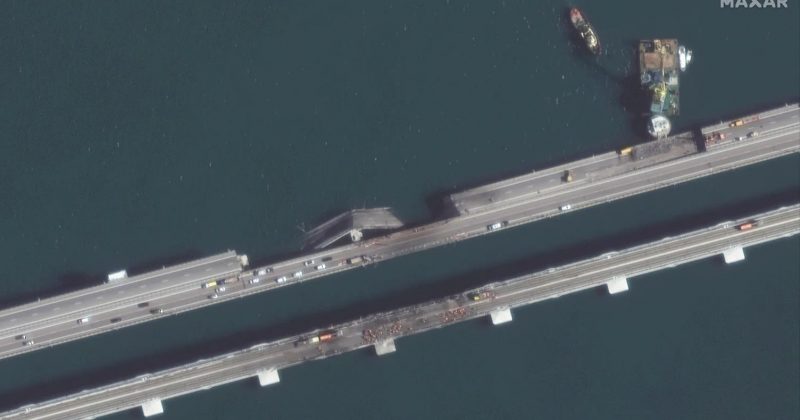
Crimea Chaos: Ukrainian Drone Strikes Cripple Russian Logistics, State of Emergency Declared
As the geopolitical landscape shifts, the impact of these strikes reverberates through global risk assessments. With market predictions placing the probability of Ukraine recapturing Crimea by late 2026 at 8.5%, the ongoing disruption serves as a volatile variable in the broader strategic conflict.

Bitcoin at a Crossroads: BTC Struggles to Hold $64K Amid Oil Surge and AI Pressure
Simultaneously, the tech sector is exerting significant influence on BTC's trajectory following the launch of the new Kimi AI. This technological shift creates a complex landscape where investors must weigh the stability of Bitcoin against the massive capital inflows currently fueling the artificial intelligence boom.

Bitcoin ETF Inflows Return, but $2.3B Stablecoin Liquidity Drain Signals Danger
External pressures are further complicating the recovery, as rising oil prices and escalating geopolitical tensions disrupt global energy corridors. This combination of shrinking stablecoin liquidity and macroeconomic instability suggests that the current Bitcoin price stabilization remains highly fragile.
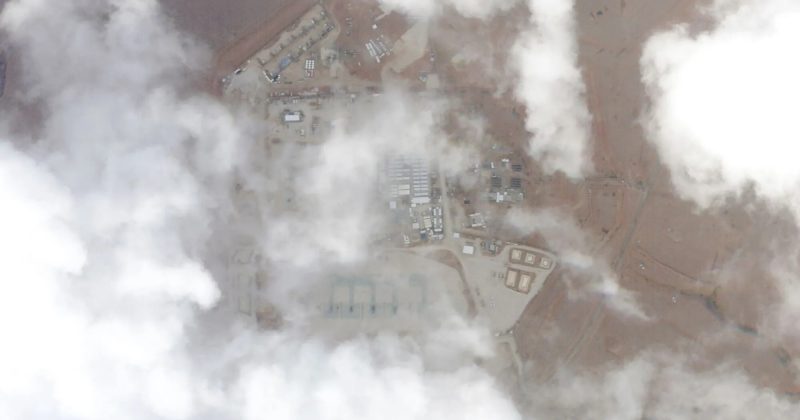
Geopolitical Escalation: US Service Members Killed in Iranian Strike on Jordan; US Retaliates
Adding to the volatility, intelligence suggests a 43% probability that Iran will implement a full airspace closure by August 31. As military movements intensify, the global community remains on high alert, watching how this geopolitical instability will ripple through energy markets and the broader crypto ecosystem.

South China Sea Escalation: Chinese Coast Guard Strikes Philippine Sailor
Predictive models currently assign an 11.5% probability to a full-scale military clash between China and the Philippines before 2027. Such geopolitical instability serves as a major catalyst for market volatility, potentially impacting global trade routes and investor sentiment across all asset classes.
