Hormuz Strait Stability: Polymarket Predicts 98.7% Chance of Normalization by July 31

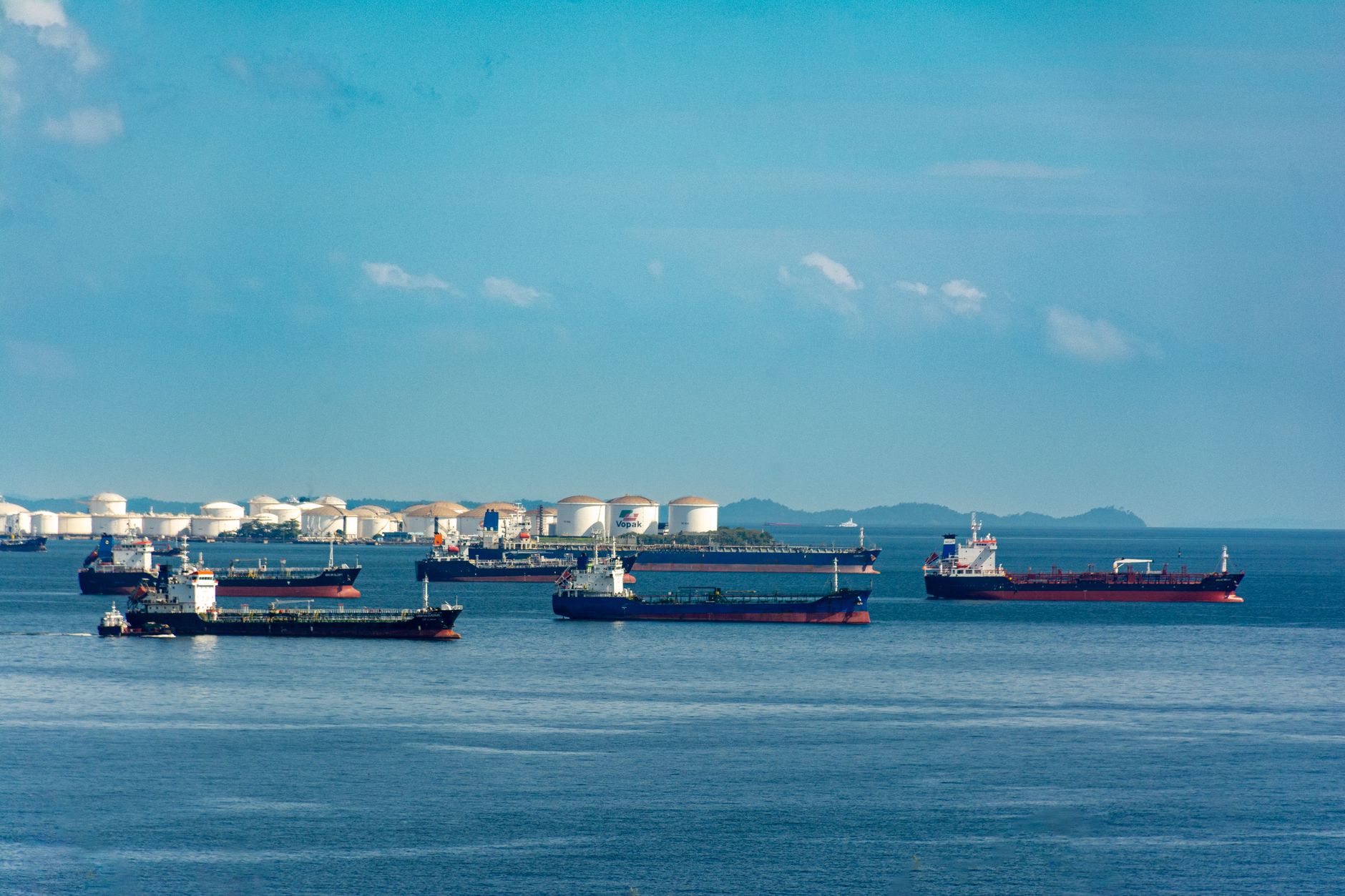
Prediction market giant Polymarket is signaling a temporary reprieve for global shipping, with a staggering 98.7% probability that Hormuz Strait traffic will normalize by July 31. This data-driven outlook provides a crucial benchmark for traders navigating the current geopolitical turbulence and assessing maritime risk.
Nevertheless, the underlying tension is far from resolved as reports suggest Jerusalem is bracing for potential combat with Iran. As the United States weighs its strategic next steps, the threat of military escalation remains a significant tail risk that could abruptly disrupt global energy flows and market stability.
According to a recent report, Polymarket users are betting heavily on stability, pricing a 98.7% chance that traffic through the Strait of Hormuz will return to normal levels by July 31. This high-conviction prediction offers a stark contrast to the volatile political climate currently unfolding in the Middle East.
Despite the statistical optimism, the geopolitical landscape remains precarious. Intelligence suggests that Israel is preparing to join the fray in potential fighting with Iran, while the U.S. administration carefully evaluates its response. The tension surrounding the Strait of Hormuz continues to be a primary driver of global market anxiety, with any sudden escalation capable of shifting the economic needle instantly.
This is a summarized and adapted version by Artificial Intelligence. To read the complete original story, visit the official source.
Read Full Article at Blockchain.newsSupport Jornal Bitcoin
Independent journalism, curated by AI, no clickbait. Keep the flame alive with any amount of BTC.
jonata@walletofsatoshi.comDaily Crypto Brief 📬
Subscribe to receive the curation of the most important Bitcoin and crypto news, summarized by AI. No spam.
Join more than 10,000 smart readers.
Related News
US-Iran Tension Eases, Oil Prices Plunge: Is the Geopolitical Risk Over?
However, the landscape remains volatile due to the persistent geopolitical risk surrounding the Strait of Hormuz. The potential for supply chain disruptions keeps inflationary pressure on the radar, demanding caution from those trading futures and commodities in the near term.
Bitcoin at a Crossroads: BTC Struggles to Hold $64K Amid Oil Surge and AI Pressure
Simultaneously, the tech sector is exerting significant influence on BTC's trajectory following the launch of the new Kimi AI. This technological shift creates a complex landscape where investors must weigh the stability of Bitcoin against the massive capital inflows currently fueling the artificial intelligence boom.
Bitcoin ETF Inflows Return, but $2.3B Stablecoin Liquidity Drain Signals Danger
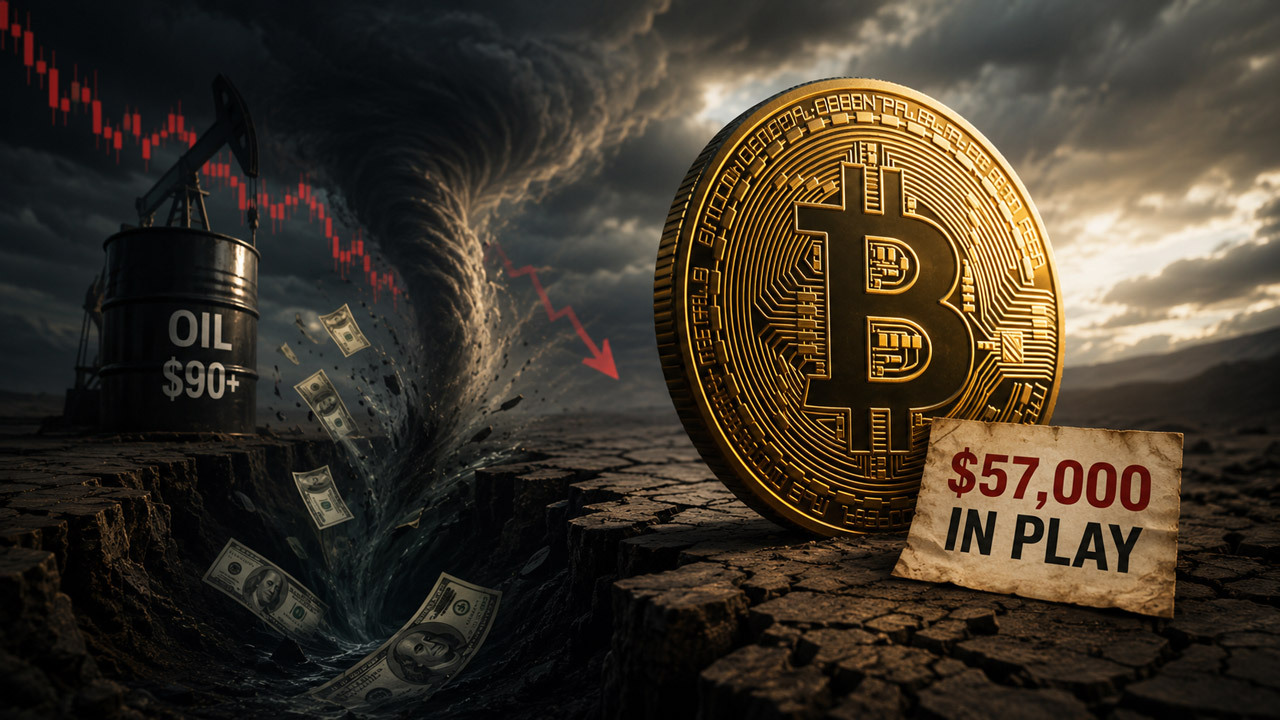
External pressures are further complicating the recovery, as rising oil prices and escalating geopolitical tensions disrupt global energy corridors. This combination of shrinking stablecoin liquidity and macroeconomic instability suggests that the current Bitcoin price stabilization remains highly fragile.
Geopolitical Escalation: US Service Members Killed in Iranian Strike on Jordan; US Retaliates
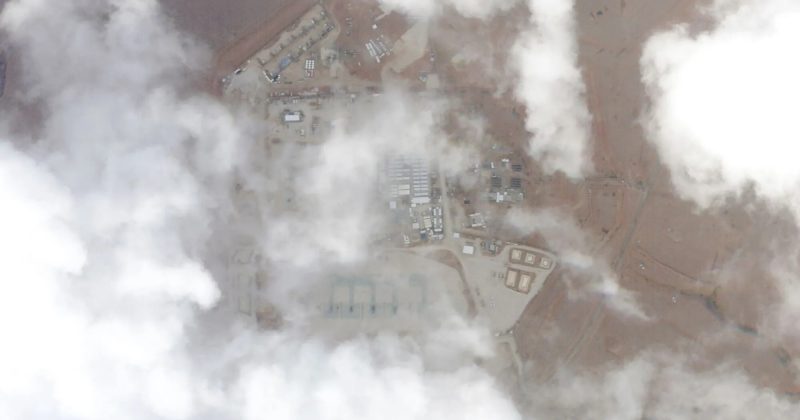
Adding to the volatility, intelligence suggests a 43% probability that Iran will implement a full airspace closure by August 31. As military movements intensify, the global community remains on high alert, watching how this geopolitical instability will ripple through energy markets and the broader crypto ecosystem.

Inflation Spreads: Polymarket Odds Hit 93% for July Fed Hold
Citing insights from Goldman Sachs economists, the data indicates that inflation is 'broadening out' across multiple consumer categories. This widespread price pressure complicates the Fed's path toward monetary easing, potentially delaying rate cuts and maintaining high borrowing costs for the global economy and crypto markets.

South China Sea Escalation: Chinese Coast Guard Strikes Philippine Sailor
Predictive models currently assign an 11.5% probability to a full-scale military clash between China and the Philippines before 2027. Such geopolitical instability serves as a major catalyst for market volatility, potentially impacting global trade routes and investor sentiment across all asset classes.
