Decrypt

Physical Crypto Heists on Track for Record Year as $30M Stolen in 2026: Chainalysis

August 6, 202609:01 AM
Physical Crypto Heists on Track for Record Year as $30M Stolen in 2026: Chainalysis

Intel Brief: Physical crypto heists are on track for a record year in 2026, with $30 million already stolen, according to Chainalysis. Direct home invasions are becoming increasingly common, with France emerging as the leading hotspot for these cybercrimes.

Context & Impact: Chainalysis analysis reveals that criminals are employing increasingly sophisticated laundering techniques, making it harder to track digital assets. The rise of these physical attacks represents a new front in cryptocurrency security, alerting investors and exchanges about the need for protection measures beyond digital ones.

This is a summarized and adapted version by Artificial Intelligence. To read the complete original story, visit the official source.

Read Full Article at Decrypt
QR Code Lightning

Support Jornal Bitcoin

Independent journalism, curated by AI, no clickbait. Keep the flame alive with any amount of BTC.

Wallet of Satoshi
jonata@walletofsatoshi.com

Daily Crypto Brief 📬

Subscribe to receive the curation of the most important Bitcoin and crypto news, summarized by AI. No spam.

Join more than 10,000 smart readers.

Related News

Coldcard Hackers Launder $4.55M in Bitcoin and Ethereum via Mixers
CoinTelegraph★ Featured

Coldcard Hackers Launder $4.55M in Bitcoin and Ethereum via Mixers

Hackers behind the Coldcard exploit have laundered $4.55 million in cryptocurrency through mixing services, transferring 64 Bitcoin and 200 ETH to obfuscate their origins. According to blockchain security firm CertiK, the stolen funds were sent to Wasabi and Tornado Cash mixers, while the majority of the stolen assets remain traceable in attacker-controlled wallets.

This incident underscores the persistent security challenges within the cryptocurrency ecosystem and the evolving sophistication of hacking attempts. The movement of funds to mixers suggests efforts to obscure the trail of stolen assets, yet blockchain transparency allows most transactions to be monitored. Security experts warn that multiple attackers may be exploiting the same vulnerability, indicating that the Coldcard breach could impact more users in the coming days.
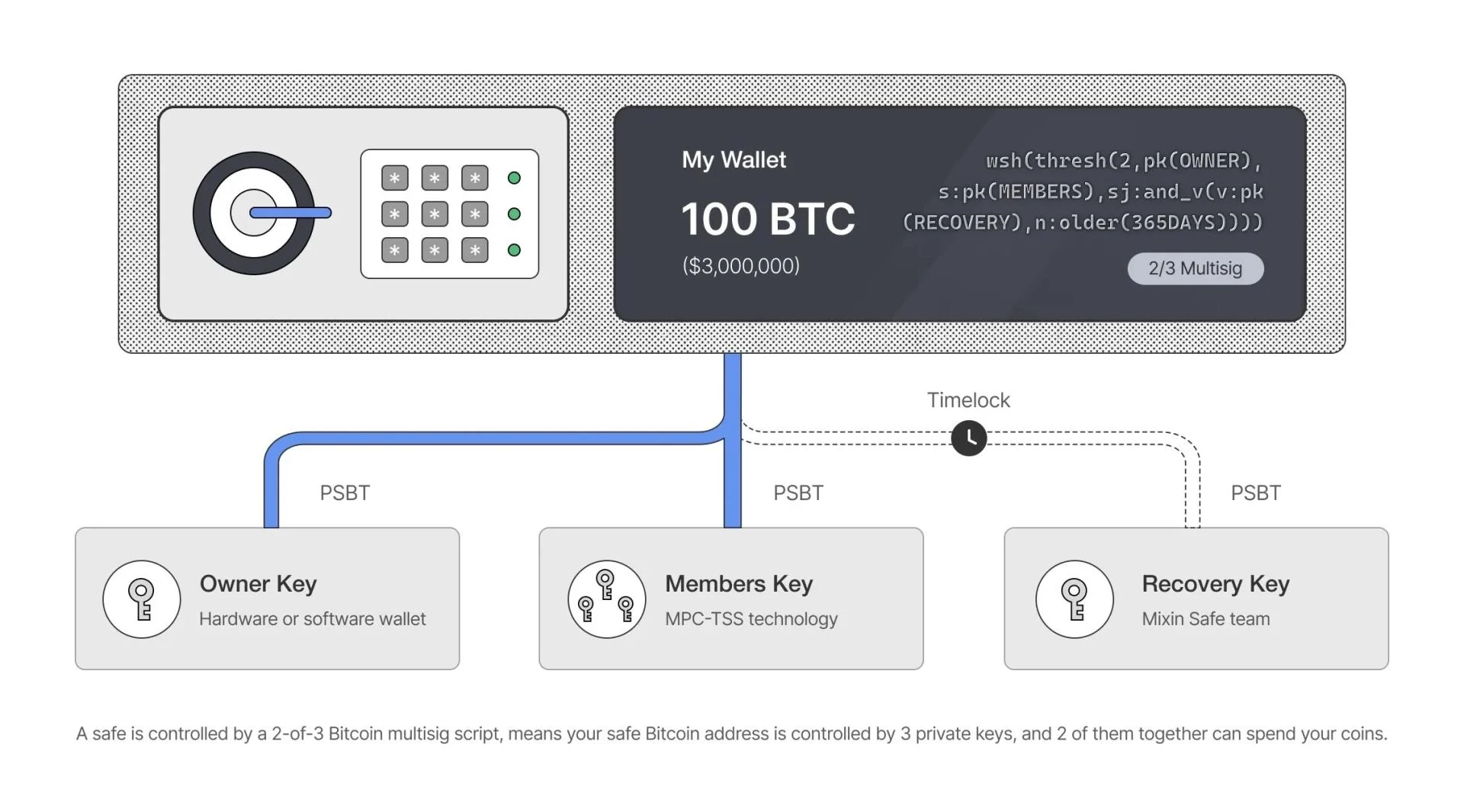
Mixin Highlights Self-Custody Risks After COLDCARD Entropy Incident

Brave New Coin

Mixin Highlights Self-Custody Risks After COLDCARD Entropy Incident

The cryptocurrency platform Mixin has issued a stark warning about the dangers of self-custody of digital assets following an incident involving the COLDCARD hardware wallet and entropy issues. The incident highlighted critical vulnerabilities in secure cryptocurrency storage, particularly for users managing their own private keys. Blockchain and cybersecurity experts are analyzing the long-term implications for the sector, while users of hardware wallets like COLDCARD are advised to review their private key storage and backup procedures.
Brazilians Among Hardest Hit as Coldcard Wallet Vulnerability Costs Over $110M

Livecoins

Brazilians Among Hardest Hit as Coldcard Wallet Vulnerability Costs Over $110M

Chainalysis data reveals Brazilian investors are among the most severely impacted by the Coldcard wallet vulnerability, with global losses estimated at over $110 million according to a Galaxy Research study. The security breach directly affects Brazil's rapidly growing cryptocurrency market. The Coldcard team has been actively engaging on social media regarding the incident, while security experts emphasize the critical importance of cold wallet security for protecting large-scale digital assets.
Ethereum Foundation Backs Revolutionary Tool for Verifiable Web Frontends
Crypto Briefing

Ethereum Foundation Backs Revolutionary Tool for Verifiable Web Frontends

The Ethereum Foundation has announced a strategic investment in Freedom of the Press to develop WEBCAT, a revolutionary tool designed to create verifiable web frontends for the blockchain. This initiative marks a significant advancement in Ethereum ecosystem security, aiming to mitigate frontend attack risks and ensure code integrity in decentralized applications.

The development of WEBCAT is a critical response to growing security challenges in the crypto space, where vulnerabilities in web interfaces can compromise entire wallets and transactions. With this partnership, the Ethereum Foundation demonstrates its ongoing commitment to protocol security and transparency, positioning itself at the forefront of blockchain security innovation. The project has the potential to redefine security standards for decentralized applications across the entire ecosystem.

Apple Removes Telegram After Extortion Attempt with AI-Generated Illegal Material
Bitcoin.com

Apple Removes Telegram After Extortion Attempt with AI-Generated Illegal Material

Apple temporarily removed Telegram from the App Store after prohibited content surfaced in a public group. Telegram CEO Pavel Durov revealed that an attacker inserted AI-altered illegal material into an edited message as part of an extortion attempt. The messaging platform is now back on Apple's App Store following the incident that raised concerns about content moderation challenges and digital security.

This incident highlights the growing challenges faced by social media platforms in content moderation, particularly with advancing AI technology. Telegram's temporary removal from Apple's App Store raises questions about the company's criteria for apps and developers' responsibilities for user-generated content. The case also demonstrates how cybercriminals are exploiting new technologies for illicit activities, demanding more robust security and content moderation solutions in the cryptocurrency and tech ecosystems.

$2 AI Audit Could Have Caught Coldcard Flaw, Says Dragonfly's Haseeb Qureshi
Bitcoin.com

$2 AI Audit Could Have Caught Coldcard Flaw, Says Dragonfly's Haseeb Qureshi

A $2 AI audit could have caught the Coldcard vulnerability, according to Dragonfly's Haseeb Qureshi, highlighting how artificial intelligence is revolutionizing cybersecurity economics. As the cost of discovering flaws plummets, crypto companies face increasing pressure to adopt AI-powered security measures across all software releases. The Coldcard security flaw serves as a pivotal case study demonstrating how frontier AI models can identify risks that traditional security audits might miss. This shift toward AI-powered testing could become the new gold standard for security in the crypto ecosystem, potentially preventing millions in losses and protecting user funds from sophisticated threats.
Jornal Bitcoin Logo
