Brave New Coin

Mixin Highlights Self-Custody Risks After COLDCARD Entropy Incident
August 6, 202607:25 AM
Mixin Highlights Self-Custody Risks After COLDCARD Entropy Incident

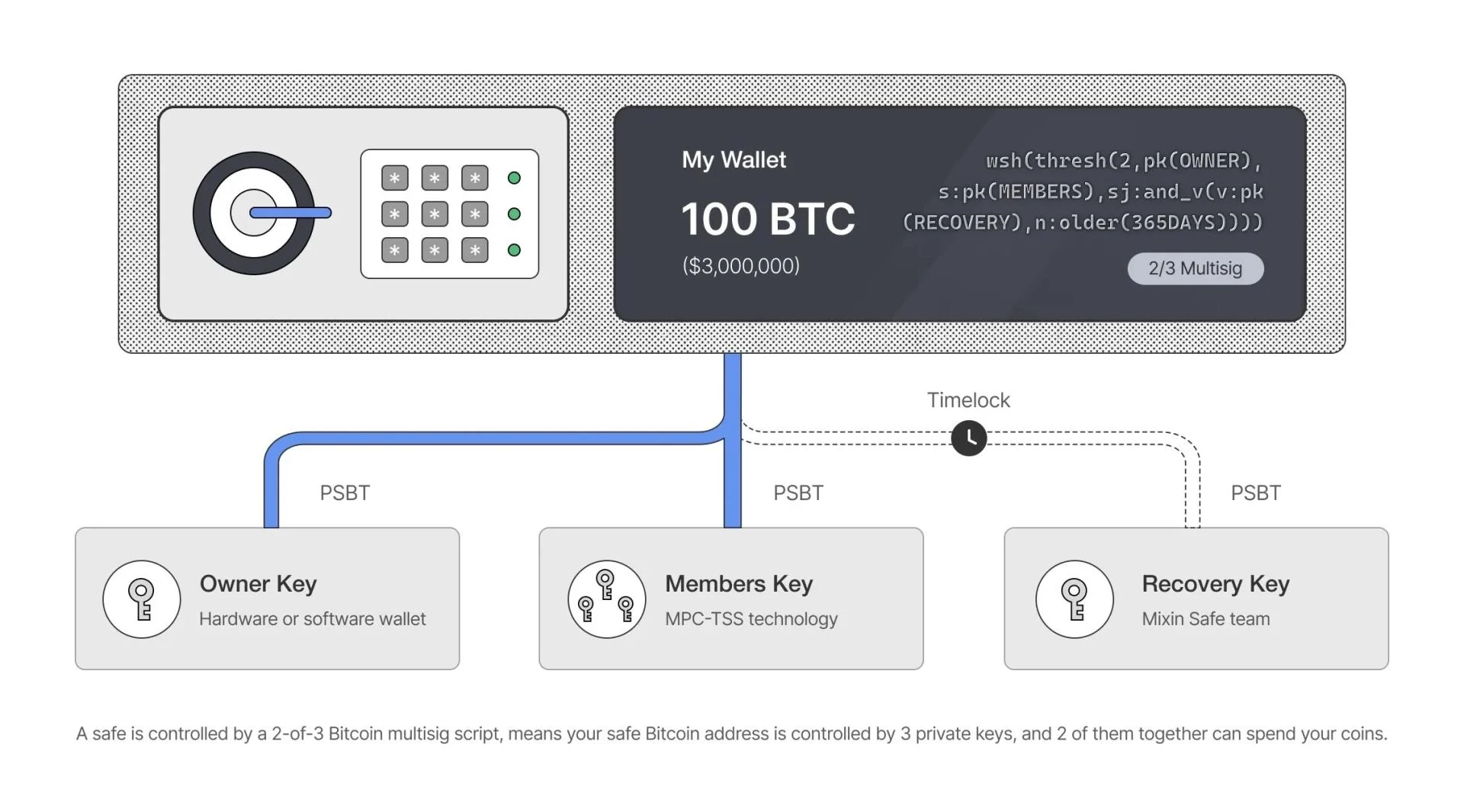
The cryptocurrency platform Mixin has issued a stark warning about the dangers of self-custody of digital assets following an incident involving the COLDCARD hardware wallet and entropy issues. The incident highlighted critical vulnerabilities in secure cryptocurrency storage, particularly for users managing their own private keys. Blockchain and cybersecurity experts are analyzing the long-term implications for the sector, while users of hardware wallets like COLDCARD are advised to review their private key storage and backup procedures.

This is a summarized and adapted version by Artificial Intelligence. To read the complete original story, visit the official source.

Read Full Article at Brave New Coin
QR Code Lightning

Support Jornal Bitcoin

Independent journalism, curated by AI, no clickbait. Keep the flame alive with any amount of BTC.

Wallet of Satoshi
jonata@walletofsatoshi.com

Daily Crypto Brief 📬

Subscribe to receive the curation of the most important Bitcoin and crypto news, summarized by AI. No spam.

Join more than 10,000 smart readers.

Related News
Canaan can use crypto to buy back nearly 20% of its market value while its core business burns cash

CryptoSlate

Canaan can use crypto to buy back nearly 20% of its market value while its core business burns cash

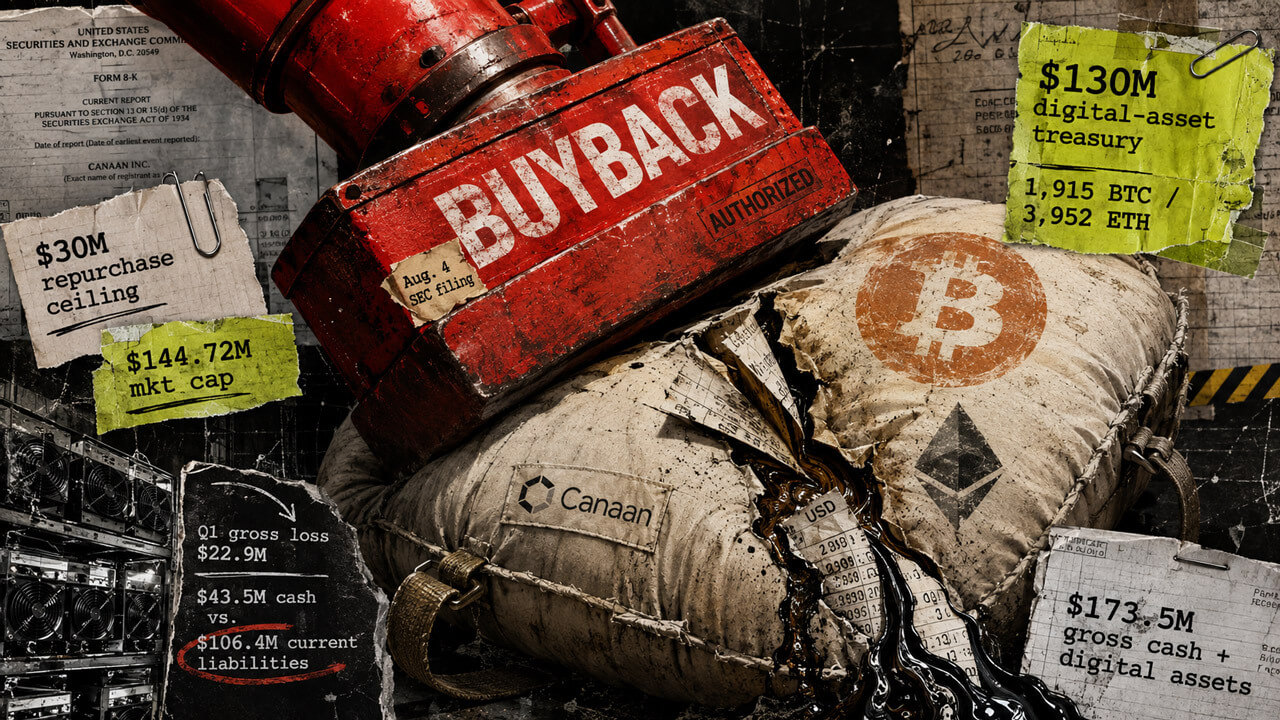
Canaan, a cryptocurrency mining equipment manufacturer, has received authorization to use its crypto reserves to buy back shares worth nearly 20% of the company's market value, despite its core business operating at a significant loss. This share buyback strategy represents a desperate attempt to prop up stock value while the company faces operational and cash flow challenges. The actual execution capacity and available liquidity remain unclear, raising questions about the long-term sustainability of Canaan's business model in the volatile cryptocurrency market.
CT3 Shakes Up Crypto Market with Demand-Based Contract Management Ahead of Token Listing

Brave New Coin

CT3 Shakes Up Crypto Market with Demand-Based Contract Management Ahead of Token Listing

CT3 has just dropped a bombshell in the crypto space with the introduction of demand-based availability management for new contracts. This groundbreaking technology promises to revolutionize how blockchain resources are allocated, potentially setting new industry standards for efficiency and user experience in the rapidly evolving DeFi landscape. As CT3 prepares for its highly anticipated token listing, the timing of this announcement couldn't be more strategic. Market analysts view this dual-pronged approach as a masterstroke that could accelerate institutional adoption of blockchain solutions. The demand-based management system not only optimizes resource utilization but also creates a more sustainable and scalable ecosystem, potentially positioning CT3 as a major player in the next wave of blockchain innovation.
DRC's Copper and Cobalt Export Ban Sends Shockwaves Through Crypto Mining
Crypto Briefing

DRC's Copper and Cobalt Export Ban Sends Shockwaves Through Crypto Mining

The Democratic Republic of Congo (DRC) has implemented a complete ban on copper and cobalt exports, minerals critical to the technology industry and, crucially, to cryptocurrency mining. This abrupt decision is forcing crypto miners worldwide to reassess their supply chain strategies, as the DRC holds over 70% of the world's cobalt reserves and is the second-largest copper producer globally.

The DRC's export ban could reshape global supply chains, prompting industries to reassess sourcing strategies and invest in local processing. For the cryptocurrency sector, this means potential cost increases and scarcity of essential components for mining hardware manufacturing. Miners and investors should closely monitor developments, as mineral price volatility and supply chain restructuring could directly impact the profitability of crypto mining operations.

Situational Awareness makes $400M comeback after near-collapse
CoinTelegraph★ Featured

Situational Awareness makes $400M comeback after near-collapse

Situational Awareness, the hedge fund founded by former OpenAI researcher Leopold Aschenbrenner, has made a $400 million investment in an undisclosed company, just days after narrowly escaping collapse following July's AI stock market crash. This strategic move comes after the fund had previously invested $100 million in the same unnamed company last month, showcasing a remarkable recovery from liquidity crisis.

The fund's recovery comes at a critical time for cryptocurrency and digital asset markets, where AI stock volatility has significantly impacted hedge funds. Situational Awareness's situation serves as an example of how institutional investors are adapting their strategies to navigate periods of market turbulence in crypto and tech sectors, focusing on long-term opportunities despite short-term volatility.

SpaceX's $85 Billion IPO Windfall: Nowhere Near Bitcoin
CryptoSlate

SpaceX's $85 Billion IPO Windfall: Nowhere Near Bitcoin

SpaceX, Elon Musk's aerospace company, accumulated $93.522 billion in cash following its $85 billion IPO, yet strikingly, none of this massive windfall was allocated to Bitcoin, according to recent filings. The space giant has shown a clear preference for traditional assets over cryptocurrencies, despite the favorable market conditions for Bitcoin.

This strategic decision contrasts with other major corporations that have been adding Bitcoin to their treasury reserves, highlighting an interesting divergence in the institutional adoption landscape of cryptocurrencies. SpaceX's move could influence other institutional investors and reinforce the narrative that Bitcoin still faces acceptance challenges in certain traditional financial sectors.

Putin Signs Russia's Crypto Law: $3,700 Cap for Retail Investors
CoinTelegraph

Putin Signs Russia's Crypto Law: $3,700 Cap for Retail Investors

Russian President Vladimir Putin has signed the 'On Digital Currencies and Digital Rights' bill into law, establishing a regulatory framework for cryptocurrency markets in Russia. The legislation imposes strict requirements on crypto exchange operators and limits retail investors to a maximum of $3,700 per intermediary annually, with core provisions set to take effect in September 2026.

This new legislation represents Russia's attempt to bring order to the growing cryptocurrency market while balancing financial innovation with state control. Rules for qualified investors remain more flexible, allowing the purchase of any cryptocurrency without restrictions. The measure reflects Russia's cautious approach to cryptocurrencies, contrasting with the more permissive adoption in other global markets.

Jornal Bitcoin Logo