Ethereum Foundation Backs Revolutionary Tool for Verifiable Web Frontends

The Ethereum Foundation has announced a strategic investment in Freedom of the Press to develop WEBCAT, a revolutionary tool designed to create verifiable web frontends for the blockchain. This initiative marks a significant advancement in Ethereum ecosystem security, aiming to mitigate frontend attack risks and ensure code integrity in decentralized applications.
The development of WEBCAT is a critical response to growing security challenges in the crypto space, where vulnerabilities in web interfaces can compromise entire wallets and transactions. With this partnership, the Ethereum Foundation demonstrates its ongoing commitment to protocol security and transparency, positioning itself at the forefront of blockchain security innovation. The project has the potential to redefine security standards for decentralized applications across the entire ecosystem.
This is a summarized and adapted version by Artificial Intelligence. To read the complete original story, visit the official source.
Read Full Article at Crypto BriefingSupport Jornal Bitcoin
Independent journalism, curated by AI, no clickbait. Keep the flame alive with any amount of BTC.
jonata@walletofsatoshi.comDaily Crypto Brief 📬
Subscribe to receive the curation of the most important Bitcoin and crypto news, summarized by AI. No spam.
Join more than 10,000 smart readers.
Related News

Crypto's gone institutional, but still trades like a rumor mill

Mastercard, Borderless Test Shared Identity Checks for Stablecoin Transfers

Bitcoin Surges to $64K: ETF Inflows and Hormuz Relief Fuel Rally
Wall Street Goes Crypto: BlackRock, Visa, Mastercard Back Circle's New Blockchain
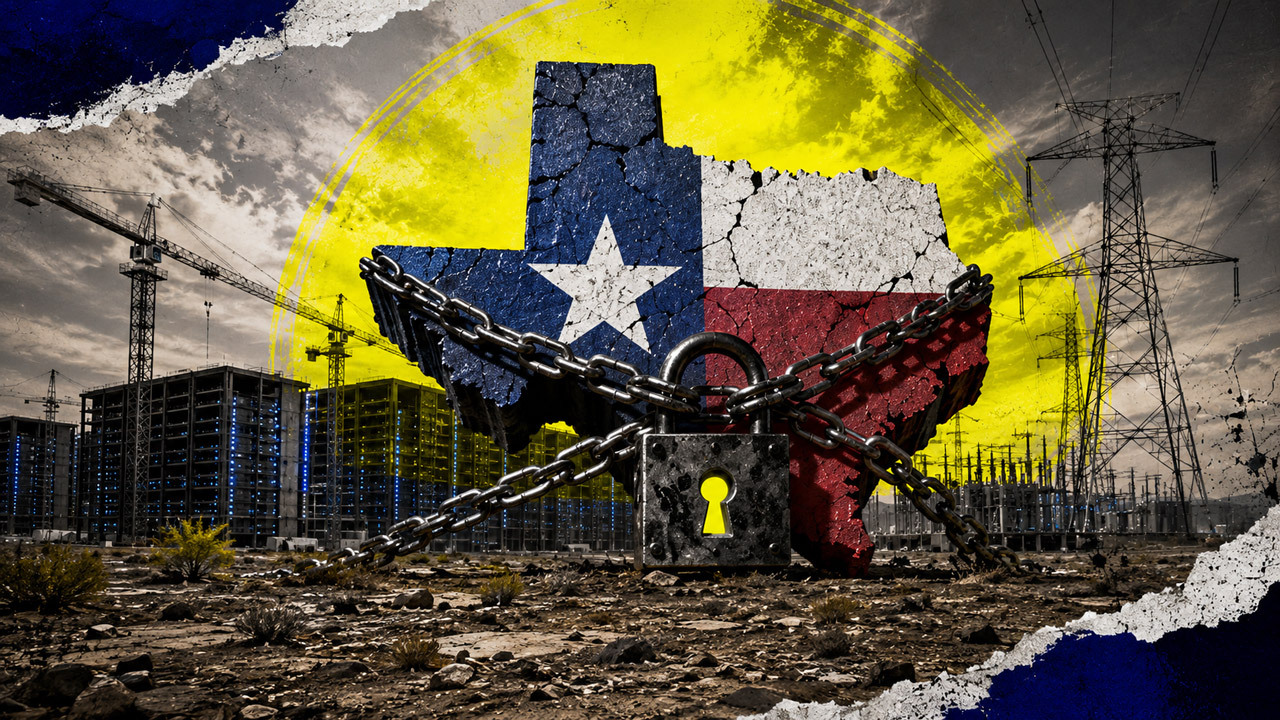
Bitcoin Mining in Texas Under Fire as State Freezes 474 GW of AI Data Center Projects
This regulatory action comes at a critical juncture for Texas, which has emerged as a global hub for Bitcoin mining due to its abundant energy supply and favorable policies. Abbott's decision could reshape the industry's future in the state, forcing miners to reconsider energy strategies and operational models. The project freeze represents a significant challenge for cryptocurrency companies and AI providers that rely on high-performance data center infrastructure, potentially slowing innovation in both blockchain and artificial intelligence sectors.