Oil Price Surge: US-Iran Tensions and Strait of Hormuz Disruptions Trigger Market Chaos

Global energy markets are facing intense pressure as escalating US-Iran tensions and potential disruptions in the Strait of Hormuz send oil prices surging. This geopolitical friction is creating immediate volatility, threatening the stability of global supply chains and forcing a rapid reassessment of energy security.
Market analysts are closely monitoring the situation, with data suggesting crude oil could hit a new all-time high by December 31, potentially seeing a 13.5% spike. Such a significant move in oil prices could have profound implications for inflation and broader financial markets, marking a critical period for commodity traders and global investors alike.
This is a summarized and adapted version by Artificial Intelligence. To read the complete original story, visit the official source.
Read Full Article at Crypto BriefingSupport Jornal Bitcoin
Independent journalism, curated by AI, no clickbait. Keep the flame alive with any amount of BTC.
jonata@walletofsatoshi.comDaily Crypto Brief 📬
Subscribe to receive the curation of the most important Bitcoin and crypto news, summarized by AI. No spam.
Join more than 10,000 smart readers.
Related News

US-Iran Conflict Costs Surpass $100B, Fueling Massive Oil Price Spikes
Market forecasts suggest a bullish surge for crude oil, with potential all-time highs on the horizon. Analysts are eyeing a 6.3% increase by September 30 and a substantial 12.5% rise by December 31, a move that could drastically alter the landscape for global inflation and risk-on assets.

Hormuz Strait Chaos: Iran-US Tensions Send Brent Oil Surging 5%
This sudden spike underscores the fragility of global energy markets. As market analysts weigh the consequences, the probability of WTI reaching the $90 mark this July is now estimated at 39.5%, signaling a potential massive shift in energy pricing and global inflation trends.

Hormuz Strait Crisis: Iran Attack Sends Oil Surging and Crypto Demands to the Forefront
Adding a digital twist to the maritime conflict, reports suggest that Iran is demanding crypto-based payments for transit, signaling a potential shift in how sanctioned nations navigate global finance. This intersection of energy volatility and cryptocurrency usage marks a critical moment for both traditional markets and the digital asset ecosystem.

Geopolitical Shockwave: US Strikes in Iran Trigger Bitcoin Sell-off and Massive Liquidations
As the market reacts to the conflict, Bitcoin has dropped over 2%, leading to a staggering $350M in liquidations. Adding to the complexity, the US Treasury has frozen $344M in Iranian crypto assets, marking a significant intersection between military conflict and global financial warfare.
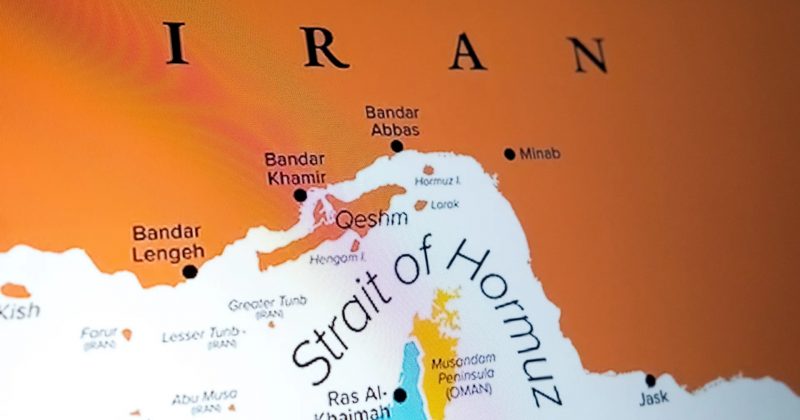
Geopolitical Flashpoint: US-Iran Strikes in Strait of Hormuz Send Markets on Edge
Amidst the kinetic conflict, a strategic layer emerges regarding a potential US-Iran deal involving reconstruction funding slated for 2026, currently sitting at a 26.5% approval threshold. The interplay between immediate military strikes and these long-term diplomatic frameworks will dictate the trajectory of global market volatility.

Global Shock: China's Oil Imports Plunge to Lowest Levels Since 2016 Amid Iran Conflict
As crude oil prices eye new all-time highs by September 30, with a projected 5.1% surge, the market is bracing for extreme volatility. Investors are closely watching for signs of a partial recovery in Chinese demand, as the interplay between Middle Eastern geopolitics and major economic powers continues to dictate the rhythm of global commodity markets.
