Hormuz Strait Crisis: Iran Attack Sends Oil Surging and Crypto Demands to the Forefront
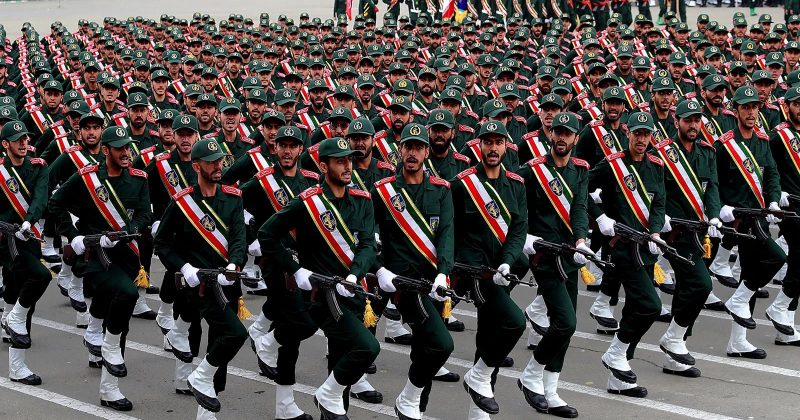
Geopolitical tensions have reached a breaking point in the Strait of Hormuz after Iran's Revolutionary Guards (IRGC) opened fire on a Thai-flagged vessel, claiming the lives of three sailors. The attack triggered an immediate commodity shock, driving Brent crude prices to a staggering $126 per barrel.
Adding a digital twist to the maritime conflict, reports suggest that Iran is demanding crypto-based payments for transit, signaling a potential shift in how sanctioned nations navigate global finance. This intersection of energy volatility and cryptocurrency usage marks a critical moment for both traditional markets and the digital asset ecosystem.
Iran's IRGC fired on a Thai-flagged ship in the Strait of Hormuz, killing three sailors and sparking immediate global market instability. As Brent crude prices surged to $126, reports emerged that Iran is demanding crypto-based solutions for transit and transactions. This escalation highlights the growing intersection between geopolitical warfare, energy security, and the strategic use of cryptocurrency in high-tension zones.
This is a summarized and adapted version by Artificial Intelligence. To read the complete original story, visit the official source.
Read Full Article at Crypto BriefingSupport Jornal Bitcoin
Independent journalism, curated by AI, no clickbait. Keep the flame alive with any amount of BTC.
jonata@walletofsatoshi.comDaily Crypto Brief 📬
Subscribe to receive the curation of the most important Bitcoin and crypto news, summarized by AI. No spam.
Join more than 10,000 smart readers.
Related News

AI Race Boils Over: Moonshot Drops Kimi K3 (Open-Weight), Google Upgrades AI Mode, Xi Rejects Single-Country Dominance
The stakes extend beyond demos: open-weight models can accelerate adoption by enabling broader scrutiny and experimentation, while Google’s AI Mode upgrades raise the bar on product capability and user-facing creativity. With Xi pushing back against AI dominance, the contest is increasingly geopolitical—bringing fresh pressure for global coordination, standards, and policy clarity around AI deployment.

Polymarket Shakeup: Eizenkot Odds Surge to 49.5% Amid US-Israel Military Logistics Shift
This sudden shift highlights how real-world geopolitical friction directly influences prediction markets. As logistical disputes at Ben-Gurion Airport intensify, the increased military readiness and strategic maneuvering are driving massive volatility in betting markets focused on regional leadership and conflict outcomes.
CASHCAT Plummets 65% in a Week: The Death of a Meme Coin or a Massive Dip?
This sudden crash highlights the extreme volatility and inherent dangers of low-cap meme coins. While the community debates whether this is a terminal decline or a massive dip for a potential pump, the prevailing sentiment remains one of high skepticism regarding the project's long-term viability and legitimacy.
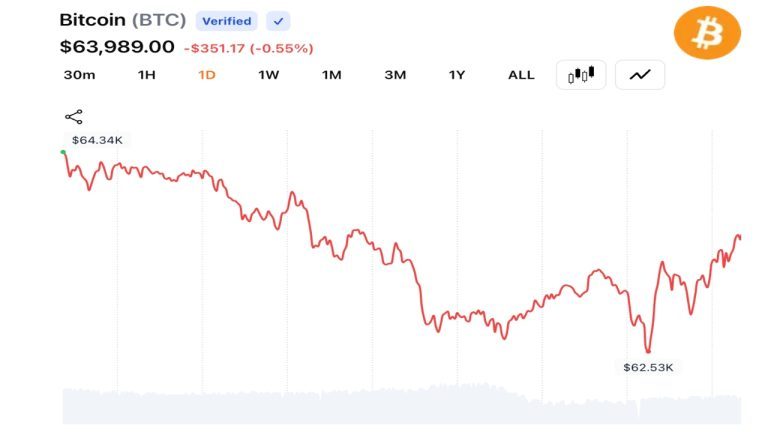
Bitcoin Crumbles Below $63K: Middle East Tensions Trigger Massive Crypto Sell-Off
As Bitcoin hit a session low of $62,732, the broader crypto market capitalization also felt the impact, dropping 1.8% to $2.26 trillion. The combination of a tech sell-off and global instability is creating significant downward pressure, leaving the entire digital asset ecosystem in a state of heightened volatility.
Binance Outpaces Major Banks with $300M Annual Compliance Investment
By successfully intercepting over $10.53 billion in fraudulent activities, Binance is setting a new benchmark for crypto security and user protection. This massive scale of fraud prevention and regulatory adherence signals a maturing industry where institutional-grade safety measures are becoming the standard for global crypto users.

Is the Bottom In? New Analysis Examines if $57.7K Was Bitcoin's Turning Point
As market sentiment evolves, the focus is moving toward confirming whether this price action signals a genuine bullish shift. Understanding these structural changes in Bitcoin price action is essential for traders looking to distinguish between a temporary relief rally and the start of a long-term recovery trend.
