New York Blocks Data Centers, Threatening the U.S. AI Arms Race

In a move that has sent shockwaves through the tech industry, New York has suspended the approval of new data centers with capacities exceeding 50 MW. This decision creates a direct confrontation with federal policies, potentially crippling the infrastructure required to meet the skyrocketing demand for high-performance computing.
The restriction raises serious doubts about the pace of the AI arms race in the United States, as a shortage of large-scale facilities could stall the evolution of advanced artificial intelligence models. Industry analysts are now questioning whether this regulatory hurdle will create a bottleneck for technological supremacy and energy management.
New York has officially halted the approval process for new data centers exceeding 50 MW, a decision that directly challenges federal expansion goals. This regulatory pivot is expected to create significant friction in the deployment of large-scale computing power across the region.
By limiting the growth of these facilities, New York is effectively challenging the momentum of the AI arms race in the U.S. The move highlights a growing tension between the rapid scaling of artificial intelligence and the localized constraints of power grids and urban planning, potentially shifting the landscape of global tech competition.
This is a summarized and adapted version by Artificial Intelligence. To read the complete original story, visit the official source.
Read Full Article at BlockTrendsSupport Jornal Bitcoin
Independent journalism, curated by AI, no clickbait. Keep the flame alive with any amount of BTC.
jonata@walletofsatoshi.comDaily Crypto Brief 📬
Subscribe to receive the curation of the most important Bitcoin and crypto news, summarized by AI. No spam.
Join more than 10,000 smart readers.
Related News

Beyond the Hype: Why Onchain Monitoring is Now Non-Negotiable for Crypto Survival
By leveraging advanced onchain analytics, DeFi protocols and institutional players can proactively mitigate threats and ensure operational integrity. As the industry matures, the ability to interpret live data will dictate who survives the next wave of regulatory scrutiny and security challenges.

Is AI Overpriced? Chamath Palihapitiya Slams OpenAI’s $26 ‘Barrel of Intelligence'
The implications are profound for the broader tech ecosystem. If AI providers cannot bridge the gap between high operational costs and actual utility, the industry faces a valuation crisis that could derail future IPO prospects and reshape the competitive landscape of the AI market.

Geopolitical Shockwave: Graham’s Tariffs Bill Targets China and India Over Russian Oil Imports
Beyond the immediate diplomatic fallout, the bill threatens to disrupt the global oil supply and drive energy prices higher. Such a move poses a direct threat to global economic stability, creating a ripple effect that could impact everything from commodity markets to broader financial volatility.
Nvidia Disrupts AI Landscape with New Open-Weight Models for Enterprises
This shift is expected to significantly influence market dynamics and accelerate enterprise adoption of artificial intelligence. By moving toward open-weight architectures, Nvidia is setting a new benchmark for how businesses interact with and tailor AI technology to their specific operational needs.
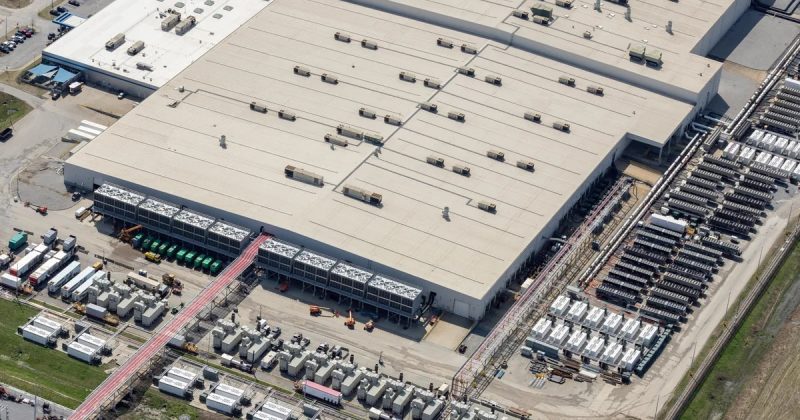
Power vs. Planet: xAI Deploys 59 Gas Turbines for Data Center Amid Environmental Lawsuits
The company now faces intense scrutiny and lawsuits regarding its environmental footprint, highlighting the growing friction between rapid tech expansion and regulatory compliance. This development underscores the critical need for sustainable energy solutions as the AI industry continues its relentless pursuit of computational power.

The Wikipedia Blackout: Why AI Engines Like ChatGPT Might Be Losing the Crypto Plot
As AI models rely heavily on massive datasets for training, outdated or restricted information on Wikipedia creates a bottleneck for machine learning accuracy. The consequence is a potential intelligence deficit where AI fails to grasp the nuances of the crypto market, leading to misinformation and flawed analysis.
