Geopolitical Shockwave: Graham’s Tariffs Bill Targets China and India Over Russian Oil Imports
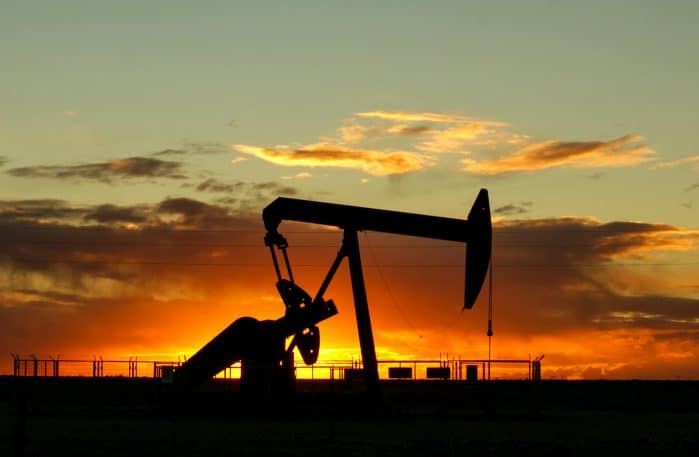
A major legislative shift is looming as Graham’s tariffs bill moves to penalize China and India for their ongoing purchases of Russian oil. This aggressive stance marks a significant escalation in geopolitical tensions that could redefine international trade dynamics.
Beyond the immediate diplomatic fallout, the bill threatens to disrupt the global oil supply and drive energy prices higher. Such a move poses a direct threat to global economic stability, creating a ripple effect that could impact everything from commodity markets to broader financial volatility.
Graham’s proposed tariffs bill specifically targets China and India over their continued purchases of Russian oil. The legislation carries the risk of escalating geopolitical tensions, disrupting the global oil supply, and driving prices higher, which could ultimately impact global economic stability.
This is a summarized and adapted version by Artificial Intelligence. To read the complete original story, visit the official source.
Read Full Article at Crypto BriefingSupport Jornal Bitcoin
Independent journalism, curated by AI, no clickbait. Keep the flame alive with any amount of BTC.
jonata@walletofsatoshi.comDaily Crypto Brief 📬
Subscribe to receive the curation of the most important Bitcoin and crypto news, summarized by AI. No spam.
Join more than 10,000 smart readers.
Related News

Middle East Crisis: US Airstrikes on Iran Trigger Global Market Turmoil
Beyond immediate military action, the fallout threatens to destabilize global oil markets and significantly alter cryptocurrency market dynamics. As energy prices fluctuate due to the unrest, the ripple effects are expected to reshape investor sentiment across both traditional and digital asset classes.
Ethereum Devcon 8 Tickets Are Live: The Road to Mumbai Begins!
Ticket sales are now active, featuring strategic discounts for developers, students, and Indian residents to foster grassroots growth. This move highlights Ethereum's commitment to expanding its global footprint and empowering the next generation of Web3 builders in the Asian market.

Polymarket Shock: RFK Jr. Hits 49% Odds for 2028 GOP Nominee Despite Trump Policy Shifts
The lack of volatility in the odds follows reports that Trump backtracked on a controversial 20% toll demand regarding the Strait of Hormuz. This disconnect between geopolitical news and Polymarket pricing suggests that the crypto-prediction market is prioritizing long-term political shifts over immediate foreign policy fluctuations.
Inflation Alert: US Gasoline Prices Surge for First Time Since May Amid Iran Ceasefire Collapse
Rising fuel costs are expected to trigger renewed inflationary pressures, potentially destabilizing broader economic stability. This development places significant pressure on the Federal Reserve, as these inflationary signals will likely influence upcoming monetary policy decisions and interest rate trajectories.
Trump Backtracks on 20% Strait of Hormuz Toll, Easing US-Iran Tensions
The retraction is expected to stabilize oil markets and reduce the immediate threat of energy supply shocks. By fostering potential diplomatic solutions for the Strait of Hormuz passage, this shift could lower market volatility and provide much-needed clarity for global investors.
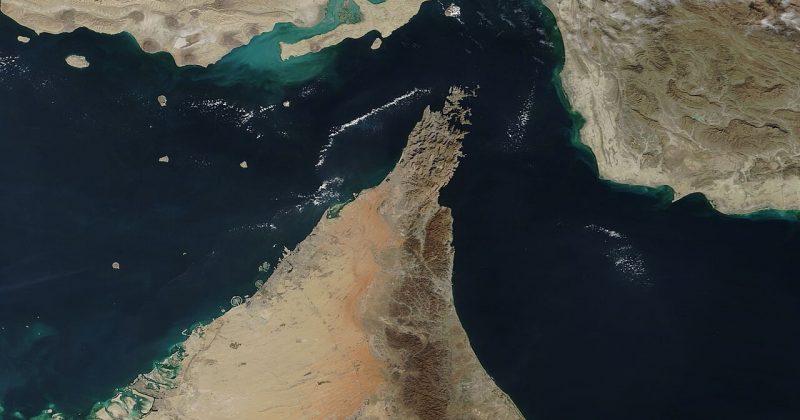
Trump Drops Proposed 20% Hormuz Cargo Fee, Easing Global Oil Tensions
By stabilizing oil markets, this decision reduces the likelihood of extreme volatility affecting high-risk assets. The move highlights the intricate ties between global geopolitics and the crypto market, as macro-stability remains a primary driver for digital asset liquidity and investor sentiment.
