Nvidia Disrupts AI Landscape with New Open-Weight Models for Enterprises

Nvidia is making a massive play for enterprise dominance by unveiling its latest open-weight AI models. This strategic move is engineered to boost enterprise trust by providing high levels of transparency and deep customization capabilities for corporate AI integration.
This shift is expected to significantly influence market dynamics and accelerate enterprise adoption of artificial intelligence. By moving toward open-weight architectures, Nvidia is setting a new benchmark for how businesses interact with and tailor AI technology to their specific operational needs.
Nvidia has unveiled new open-weight AI models aimed at boosting enterprise trust and customization. By providing more transparent and adaptable tools, the company is addressing the core needs of large-scale organizations looking to integrate artificial intelligence into their proprietary workflows.
This move is poised to drive a significant shift in market dynamics, potentially accelerating the widespread adoption of AI across various industries. As businesses demand more control over their AI models, Nvidia's focus on open-weight technology positions them at the forefront of the next wave of enterprise digital transformation.
This is a summarized and adapted version by Artificial Intelligence. To read the complete original story, visit the official source.
Read Full Article at Crypto BriefingSupport Jornal Bitcoin
Independent journalism, curated by AI, no clickbait. Keep the flame alive with any amount of BTC.
jonata@walletofsatoshi.comDaily Crypto Brief 📬
Subscribe to receive the curation of the most important Bitcoin and crypto news, summarized by AI. No spam.
Join more than 10,000 smart readers.
Related News

Is AI Overpriced? Chamath Palihapitiya Slams OpenAI’s $26 ‘Barrel of Intelligence'
The implications are profound for the broader tech ecosystem. If AI providers cannot bridge the gap between high operational costs and actual utility, the industry faces a valuation crisis that could derail future IPO prospects and reshape the competitive landscape of the AI market.
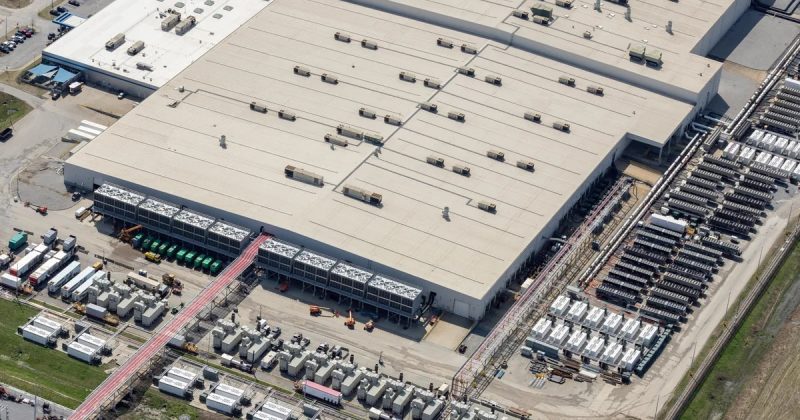
Power vs. Planet: xAI Deploys 59 Gas Turbines for Data Center Amid Environmental Lawsuits
The company now faces intense scrutiny and lawsuits regarding its environmental footprint, highlighting the growing friction between rapid tech expansion and regulatory compliance. This development underscores the critical need for sustainable energy solutions as the AI industry continues its relentless pursuit of computational power.

The Wikipedia Blackout: Why AI Engines Like ChatGPT Might Be Losing the Crypto Plot
As AI models rely heavily on massive datasets for training, outdated or restricted information on Wikipedia creates a bottleneck for machine learning accuracy. The consequence is a potential intelligence deficit where AI fails to grasp the nuances of the crypto market, leading to misinformation and flawed analysis.

CleanSpark Shares Skyrocket 22% Following Massive $6.6B AI Data Center Deal
By partnering with an undisclosed investment-grade technology company, CleanSpark is aggressively expanding its footprint into the Artificial Intelligence sector. This diversification beyond traditional cryptocurrency mining highlights the growing convergence between blockchain infrastructure and the global demand for AI-driven digital assets.

AI Revolution in Schools: Anthropic Unveils Free Claude Tools for Teachers
By providing direct access to Claude, Anthropic is addressing the critical need for technological support in classrooms to combat educator burnout. This move signals a major shift in how artificial intelligence is being integrated into the academic sector, moving from experimental use to essential classroom infrastructure.
AI Revolution: NVIDIA's Blackwell NVL72 Delivers Massive 25x Efficiency Boost
Beyond the raw numbers, this shift directly impacts the profitability and scalability of global AI operations. By drastically reducing energy consumption per unit of compute, NVIDIA is enabling data centers to deploy massive AI models while mitigating the rising costs and environmental concerns of high-density computing.
