The Wikipedia Blackout: Why AI Engines Like ChatGPT Might Be Losing the Crypto Plot

Wikipedia is adhering to outdated crypto coverage guidelines that could trigger a massive information blackout for modern technology. This gap in data directly threatens how AI engines, such as ChatGPT, process and interpret the rapidly evolving world of cryptocurrency.
As AI models rely heavily on massive datasets for training, outdated or restricted information on Wikipedia creates a bottleneck for machine learning accuracy. The consequence is a potential intelligence deficit where AI fails to grasp the nuances of the crypto market, leading to misinformation and flawed analysis.
Wikipedia observes guidelines on crypto coverage that date back many years and may now be outdated, according to a recent report. This potential blackout could hurt how AI engines like ChatGPT understand the crypto landscape, potentially leading to inaccurate interpretations of the digital asset market.
This is a summarized and adapted version by Artificial Intelligence. To read the complete original story, visit the official source.
Read Full Article at CoinDeskSupport Jornal Bitcoin
Independent journalism, curated by AI, no clickbait. Keep the flame alive with any amount of BTC.
jonata@walletofsatoshi.comDaily Crypto Brief 📬
Subscribe to receive the curation of the most important Bitcoin and crypto news, summarized by AI. No spam.
Join more than 10,000 smart readers.
Related News

Is AI Overpriced? Chamath Palihapitiya Slams OpenAI’s $26 ‘Barrel of Intelligence'
The implications are profound for the broader tech ecosystem. If AI providers cannot bridge the gap between high operational costs and actual utility, the industry faces a valuation crisis that could derail future IPO prospects and reshape the competitive landscape of the AI market.

Institutional Power Move: Anchorage Digital Adds Native TRX Staking and TRC-20 Support
By integrating these capabilities, Anchorage Digital is facilitating deeper liquidity and participation in the TRON ecosystem through a regulated framework. This expansion is a significant milestone for TRC-20 assets, as it allows large-scale institutions to capture staking rewards and manage digital assets with the highest standards of security and compliance.

Beyond Trading: Binance’s Bold Pivot Toward a Crypto 'Super App' Era
This pivot aims to transform the platform into a comprehensive 'super app' for the crypto economy. As stablecoins continue to reshape market growth, Binance is positioning itself to capture more than just traders, targeting the broader utility of digital assets in everyday financial life.
UK Tax Breakthrough: New 'No Gain, No Loss' Rule to Defer Crypto Capital Gains
This strategic move is expected to impact roughly 700,000 individuals by aligning tax obligations with actual economic disposals. By ensuring that gains and losses are only recognized when a participant exits a position economically, the UK aims to foster a fairer tax system that reflects the complex mechanics of modern crypto-lending and liquidity arrangements.
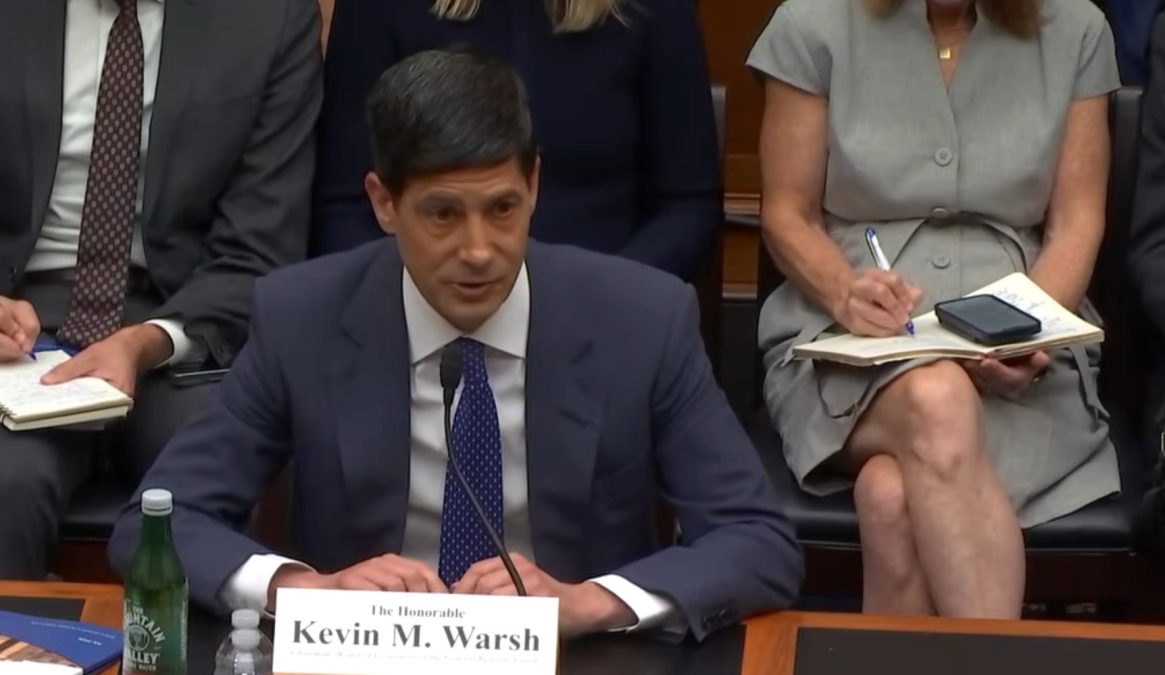
No Bailout: Fed Chair Signals No Safety Net for Stablecoins During Crisis
The implications for the crypto market are profound, as this policy forces a higher standard of collateralization and transparency to prevent contagion. While Warsh remains a vocal proponent of Bitcoin, describing it as an 'important asset,' his refusal to protect stablecoins creates a bifurcated regulatory landscape where Bitcoin's value is recognized, but its secondary stablecoin infrastructure remains exposed to market volatility.

Crackdown on Scams: North Carolina Implements Strict New Rules for Crypto ATMs
Beyond immediate operational constraints, the law introduces vital refund rights for victims of scams, providing a safety net for retail users. This regulatory shift aims to increase accountability within the crypto ATM industry and enhance overall security for digital asset transactions in the state.
