Geopolitical Crisis: Iran Vows 'Disproportionate Response' to US Strikes, Warns of Regret

Global geopolitical stability is under immediate threat as Iran vows a disproportionate response to recent US military strikes. This aggressive stance marks a critical escalation in regional tensions, heightening the risk of a broader conflict that could disrupt international security frameworks.
With diplomatic prospects rapidly diminishing, the fallout from this confrontation threatens to destabilize global economic and political dynamics. The potential for sudden shifts in energy markets and geopolitical alliances makes this a high-stakes situation for global stakeholders.
Iran has vowed a disproportionate response to US strikes, warning Washington of potential regret. Escalating tensions and reduced diplomatic prospects could destabilize regional security and impact global economic and political dynamics, signaling a period of heightened uncertainty for the international community.
This is a summarized and adapted version by Artificial Intelligence. To read the complete original story, visit the official source.
Read Full Article at Crypto BriefingSupport Jornal Bitcoin
Independent journalism, curated by AI, no clickbait. Keep the flame alive with any amount of BTC.
jonata@walletofsatoshi.comDaily Crypto Brief 📬
Subscribe to receive the curation of the most important Bitcoin and crypto news, summarized by AI. No spam.
Join more than 10,000 smart readers.
Related News

Polymarket Chaos: Iran Invasion Odds Surge to 19.5% Following Kish Strike Reports
This sudden spike highlights the sensitivity of decentralized prediction markets to breaking news and military developments. As rumors of strikes spread, the market acts as a real-time barometer for global instability, turning geopolitical uncertainty into high-stakes speculative opportunities.
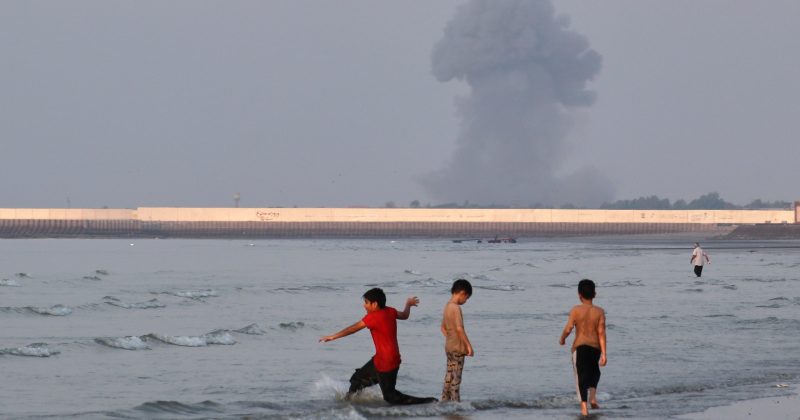
Geopolitical Shockwave: Trump Closes Strait of Hormuz, Pivoting to Pipeline Alternatives
The strategic pivot to pipeline alternatives may stabilize oil markets by reducing reliance on the Strait of Hormuz and easing supply concerns. As the world looks toward new infrastructure, this shift could redefine energy logistics and mitigate the risks of sudden supply shocks in the global economy.

CFTC Fights to Stop Kalshi from Reversing Trades Under Michigan Court Order
The conflict highlights a growing tension between state-level judicial orders and federal regulatory authority. By arguing against what it describes as 'bullying' by the Michigan court, the CFTC is attempting to set a precedent that protects prediction markets from sudden, retroactive reversals that could destabilize investor confidence and market liquidity.
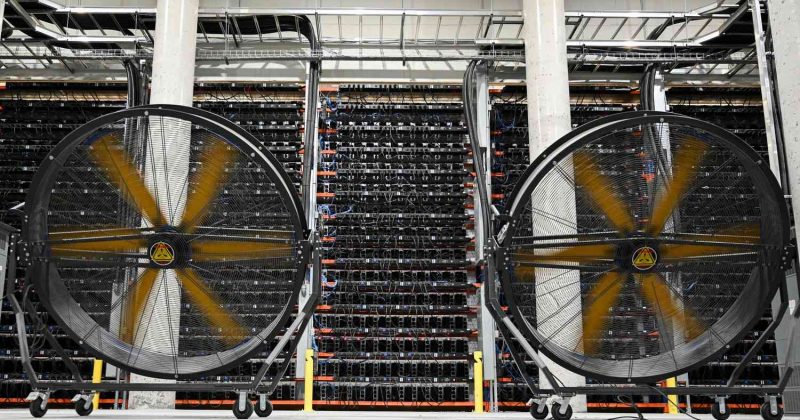
New York Shockwave: One-Year Data Center Ban Rattles Crypto Mining and AI Ambitions
This moratorium signals a growing trend of regulatory scrutiny on tech infrastructure that could reshape energy policies nationwide. As authorities tighten control over high-density power usage, the industry faces a pivotal moment where the tension between technological expansion and environmental/grid stability reaches a breaking point.

Hormuz Strait Crisis: Polymarket Bets on Low Chance of Normalization by July
As interim peace deals unravel, reports of vessels being hit in Gulf waters underscore a growing conflict. The market's skeptical outlook suggests that investors are bracing for prolonged instability, which could have far-reaching consequences for global trade routes and broader financial market volatility.

US Treasury Strikes: OFAC Escalates Sanctions Against Iranian Oil Kingpin Mohammad Hossein Shamkhani
By expanding these sanctions, the US aims to strain Iran's military funding and exert unprecedented pressure on its global oil trade. This escalation underscores the intensifying geopolitical battle to curb illicit financial networks and enforce strict international compliance within the global economy.
