CFTC Fights to Stop Kalshi from Reversing Trades Under Michigan Court Order
The Commodity Futures Trading Commission (CFTC) is taking a stand to protect market integrity, moving to prevent Kalshi from canceling trades as mandated by a Michigan court. This legal intervention aims to safeguard the execution of derivative contracts and prevent localized judicial rulings from disrupting standard trading operations.
The conflict highlights a growing tension between state-level judicial orders and federal regulatory authority. By arguing against what it describes as 'bullying' by the Michigan court, the CFTC is attempting to set a precedent that protects prediction markets from sudden, retroactive reversals that could destabilize investor confidence and market liquidity.
The federal derivatives regulator, the CFTC, which oversees trading at Kalshi, has moved to stop the platform from canceling trades following an order from a Michigan court. The regulator argued that it was inappropriate for the Michigan court to 'bully' the firm into reversing trades, emphasizing the need to maintain consistent market rules and prevent judicial interference in established financial transactions.
This is a summarized and adapted version by Artificial Intelligence. To read the complete original story, visit the official source.
Read Full Article at CoinDeskSupport Jornal Bitcoin
Independent journalism, curated by AI, no clickbait. Keep the flame alive with any amount of BTC.
jonata@walletofsatoshi.comDaily Crypto Brief 📬
Subscribe to receive the curation of the most important Bitcoin and crypto news, summarized by AI. No spam.
Join more than 10,000 smart readers.
Related News

Beyond Price Action: eToro’s Move Proves Retail Brokers are Betting Big on On-Chain Derivatives
As the industry evolves, the integration of on-chain technology into mainstream brokerage models could bridge the gap between traditional finance and decentralized ecosystems. This trend underscores the growing importance of regulatory clarity and robust blockchain infrastructure in scaling the next generation of crypto derivatives.

Uniswap (UNI) Disrupts DeFi with New AI-Powered Automated Trading Tools
This evolution marks a significant shift in the DeFi landscape, moving toward more accessible and intelligent liquidity management. As Uniswap implements these automated solutions, it aims to provide retail and institutional users alike with the tools necessary to navigate market volatility with precision and ease.

Fed Pivot Incoming? Polymarket Odds for Rate Hold Surge Following Soft CPI Data
As the cooling inflation data recalibrates market expectations, the impact on global liquidity and the US Dollar remains a focal point for traders. This shift suggests that the Fed may have more room to maneuver, potentially easing the pressure on risk assets as the era of aggressive tightening faces new scrutiny.
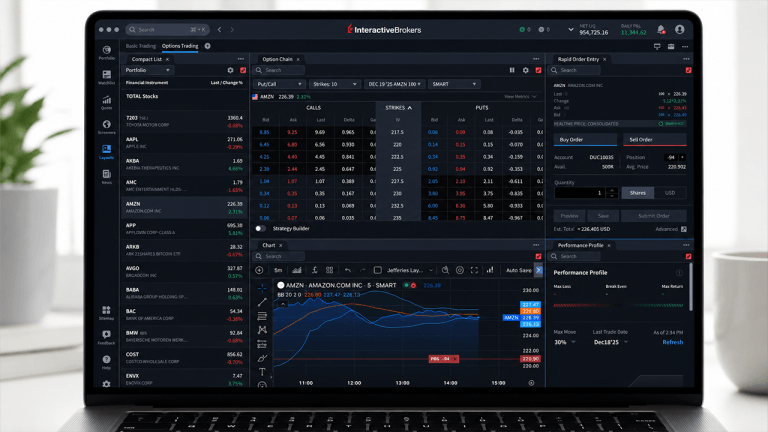
Interactive Brokers Disrupts Crypto Trading: New Tokens and Stablecoin Funding to Slash Costs
By leveraging stablecoin rails, the brokerage aims to significantly lower trading costs and streamline liquidity management for global investors. This expansion represents a major step toward the seamless integration of digital assets into mainstream institutional trading workflows, reducing friction for high-volume participants.
Beyond Trading: Binance’s Bold Pivot Toward a Crypto 'Super App' Era
This pivot aims to transform the platform into a comprehensive 'super app' for the crypto economy. As stablecoins continue to reshape market growth, Binance is positioning itself to capture more than just traders, targeting the broader utility of digital assets in everyday financial life.
No Safety Net: Fed Chair Warns Crypto and Stablecoins Are on Their Own
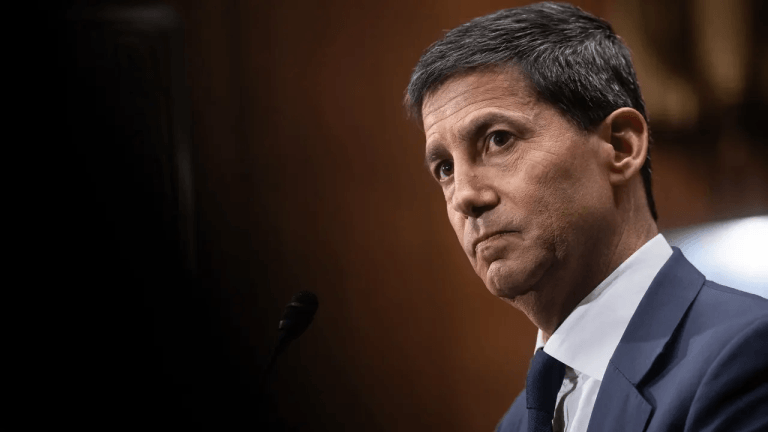
This decisive stance shifts the burden of risk management directly onto the crypto ecosystem and stablecoin issuers. By explicitly stating that the Fed does not want to be in the 'bailout business,' Warsh is signaling a future where digital assets must maintain extreme liquidity and self-sufficiency to survive market volatility without the expectation of a government-backed safety net.
