Hormuz Strait Crisis: Polymarket Bets on Low Chance of Normalization by July

Polymarket prediction markets are signaling extreme geopolitical tension, with the probability of traffic normalization in the Strait of Hormuz reaching only 1.85% by July 31. This intel brief confirms that recent military exchanges between the US and Iran have severely destabilized the region, heightening fears of maritime disruptions.
As interim peace deals unravel, reports of vessels being hit in Gulf waters underscore a growing conflict. The market's skeptical outlook suggests that investors are bracing for prolonged instability, which could have far-reaching consequences for global trade routes and broader financial market volatility.
Reports indicate that the US and Iran have exchanged fresh strikes following the collapse of an interim peace deal. Incidents have been reported around the Strait of Hormuz, including claims of vessels being hit in Gulf waters. Reflecting this volatility, Polymarket prices currently place the likelihood of Hormuz traffic normalization by July 31 at a mere 1.85%.
This is a summarized and adapted version by Artificial Intelligence. To read the complete original story, visit the official source.
Read Full Article at Blockchain.newsSupport Jornal Bitcoin
Independent journalism, curated by AI, no clickbait. Keep the flame alive with any amount of BTC.
jonata@walletofsatoshi.comDaily Crypto Brief 📬
Subscribe to receive the curation of the most important Bitcoin and crypto news, summarized by AI. No spam.
Join more than 10,000 smart readers.
Related News

Geopolitical Crisis: Iran Vows 'Disproportionate Response' to US Strikes, Warns of Regret
With diplomatic prospects rapidly diminishing, the fallout from this confrontation threatens to destabilize global economic and political dynamics. The potential for sudden shifts in energy markets and geopolitical alliances makes this a high-stakes situation for global stakeholders.

Polymarket Surge: Le Pen Odds Skyrocket to 31% for 2027 France Race Amid $112M Volume
The sudden spike in odds reflects a significant recalibration of political risk perception in Europe. As trading volume expands, investors are increasingly leveraging Polymarket to price election uncertainties, turning blockchain-based data into powerful market indicators that often outpace traditional polling methods.

US Treasury Strikes: OFAC Escalates Sanctions Against Iranian Oil Kingpin Mohammad Hossein Shamkhani
By expanding these sanctions, the US aims to strain Iran's military funding and exert unprecedented pressure on its global oil trade. This escalation underscores the intensifying geopolitical battle to curb illicit financial networks and enforce strict international compliance within the global economy.
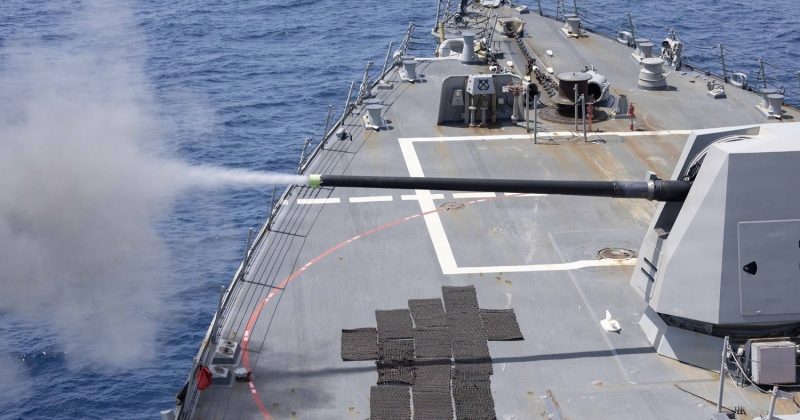
Geopolitical Alert: US Deploys 20+ Navy Warships Amid Escalating Iran Tensions
Beyond the immediate military implications, this buildup threatens to disrupt vital shipping routes, which could trigger volatility across global markets. As geopolitical instability rises, the potential for supply chain disruptions and market shocks remains a primary concern for institutional and retail investors alike.
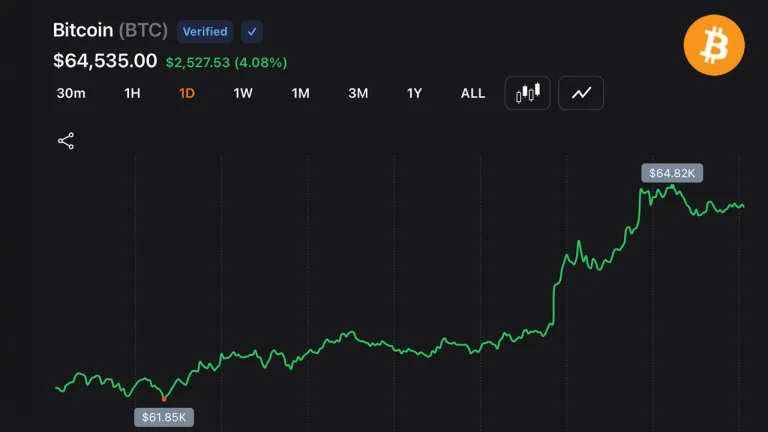
Bitcoin Bulls Defy Middle East Turmoil: BTC Races Toward $65,000 as Short Squeeze Ignites
The sudden price action was largely driven by a collapse in short positions, triggering a squeeze that propelled BTC toward its recent highs. Even as geopolitical tensions escalate due to strikes in the Middle East, the market's ability to stabilize around $64,500 suggests a robust underlying demand for Bitcoin.
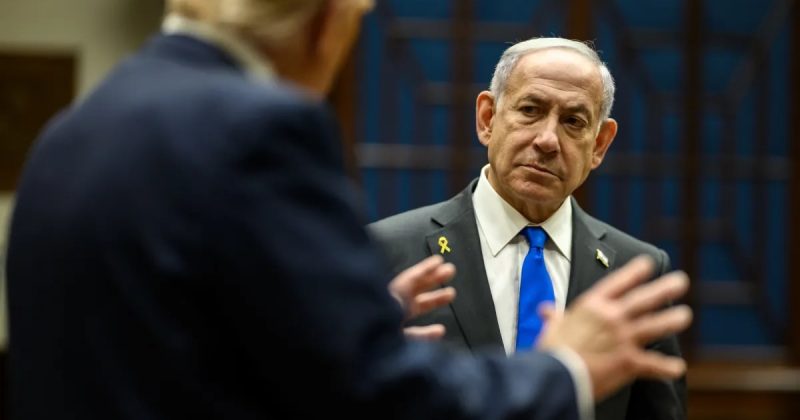
Trump Urges Netanyahu to Withdraw Troops: A Geopolitical Shift Threatening Crypto Stability
The implications of this move extend far beyond regional borders, directly influencing crypto market volatility as traders react to shifting risk profiles. As the world watches this confrontation, the interplay between international conflict and digital asset pricing becomes increasingly vital, marking this as a key event for anyone tracking the intersection of politics and blockchain finance.
