New York Shockwave: One-Year Data Center Ban Rattles Crypto Mining and AI Ambitions
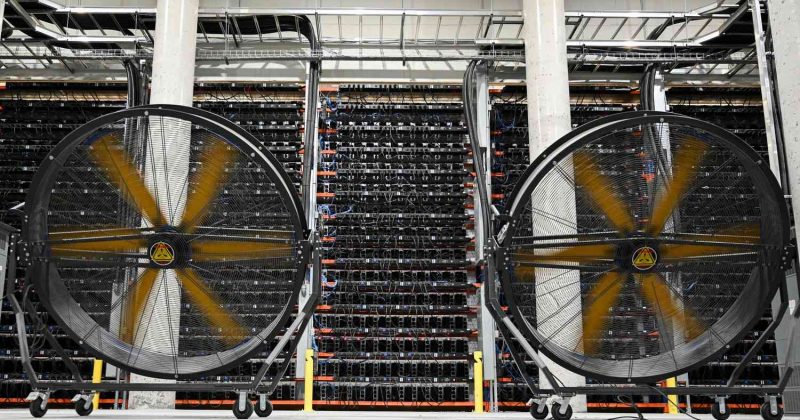
New York has imposed a one-year moratorium on large-scale data centers, a move that has sent shockwaves through the crypto mining and artificial intelligence infrastructure sectors. This sudden regulatory shift creates significant headwinds for tech giants and digital asset miners looking to scale operations within the state, as energy consumption becomes a primary battleground.
This moratorium signals a growing trend of regulatory scrutiny on tech infrastructure that could reshape energy policies nationwide. As authorities tighten control over high-density power usage, the industry faces a pivotal moment where the tension between technological expansion and environmental/grid stability reaches a breaking point.
New York has imposed a one-year ban on large data centers, rattling crypto mining and AI infrastructure plans across the region. The moratorium signals a growing trend of regulatory scrutiny on tech infrastructure, potentially reshaping energy policies nationwide. This decision poses a direct challenge to the rapid expansion of energy-intensive industries, forcing a reevaluation of where the next generation of computing power will be housed.
This is a summarized and adapted version by Artificial Intelligence. To read the complete original story, visit the official source.
Read Full Article at Crypto BriefingSupport Jornal Bitcoin
Independent journalism, curated by AI, no clickbait. Keep the flame alive with any amount of BTC.
jonata@walletofsatoshi.comDaily Crypto Brief 📬
Subscribe to receive the curation of the most important Bitcoin and crypto news, summarized by AI. No spam.
Join more than 10,000 smart readers.
Related News

Decentralized AI Returns to Crypto Venture Map as Nous Research Funding Talks Heat Up
As the industry pivots, the focus on decentralized AI infrastructure and regulatory frameworks is becoming paramount. This evolution suggests that the long-term value in the crypto space will be driven by technological utility and robust infrastructure rather than mere market volatility.
AMD’s 2026 AI Vision: The Roadmap to Dominating the Artificial Intelligence Era
The implications of this roadmap extend far beyond simple hardware upgrades, directly impacting the global high-performance computing and AI infrastructure landscape. By prioritizing cutting-edge AI solutions, AMD aims to capture significant market share in the AI chip sector, challenging established leaders and accelerating industrial-scale technological innovation.

Fed Watch: Kevin Warsh's Congressional Testimony Signals Shifts in Monetary Policy and Crypto Regulation
Crucially, the testimony highlighted potential regulatory conflicts that could disrupt the digital asset space. As the Fed navigates these complexities, the tension between traditional monetary policy and crypto regulation remains a primary driver of market stability and institutional sentiment.
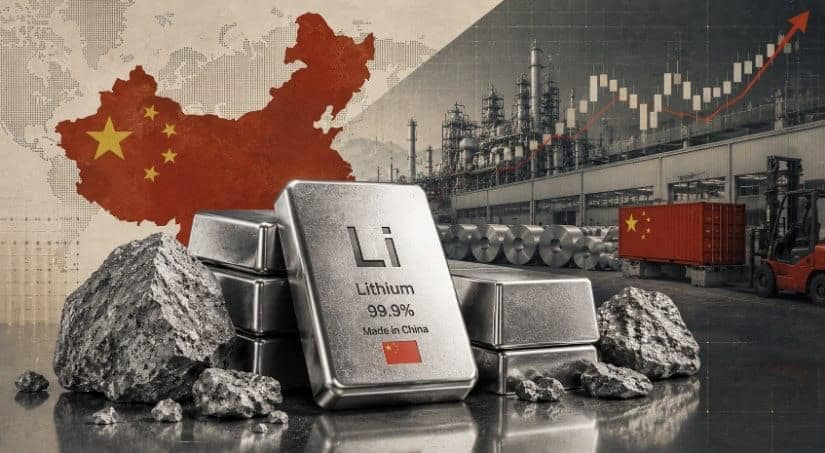
Lithium Market Stalls: Prices Hold Steady Amid Mixed Battery Metal Sentiment
As the industry navigates this mixed sentiment, the ability of lithium carbonate to hold these price levels will be critical for the broader EV and energy storage sectors. Analysts are closely monitoring whether this consolidation signals a bottoming out or a precursor to further volatility in the battery metal landscape.

OFAC Sanctions on FirstVPN: Crypto Enforcement is Moving Up the Infrastructure Stack
This strategic pivot suggests that compliance risks are migrating up the technology stack. As enforcement agencies focus on the foundational layers of the internet and blockchain connectivity, the impact on decentralized services and global network accessibility could be profound and long-lasting.

Satoshi Nakamoto: Lone Genius or Secret Team? AI Models Attempt to Solve Bitcoin's Greatest Mystery
By leveraging advanced machine learning logic, this investigation dives into the technical complexities of the Bitcoin protocol to weigh the probabilities of a single architect versus a group effort. The findings provide a fascinating look at how artificial intelligence interprets the origins of the world's largest cryptocurrency and what it means for the future of decentralization.
