Reserve Bank of India Doubles Down on Crypto Ban to Fight Tax Evasion

The Reserve Bank of India (RBI) has maintained its hawkish stance against digital assets, prioritizing the fight against tax evasion over technological integration. Despite a global shift toward embracing blockchain and digital finance, Indian regulators remain steadfast in their mission to prevent financial loopholes and ensure strict oversight of the crypto ecosystem.
This regulatory friction highlights a significant divergence between India and the global trend of digital asset adoption. By focusing heavily on mitigating risks related to tax evasion and capital flight, the RBI is signaling that the path to legal crypto integration in India remains blocked by stringent fiscal security concerns.
The Reserve Bank of India (RBI) continues to favor a restrictive approach toward cryptocurrencies, aiming to curtail tax evasion and maintain financial stability. According to Reuters, Indian regulators are maintaining a hawkish stance, resisting the growing global trend of governments embracing digital assets and blockchain technology. The central bank's priority remains the protection of the national economy from the potential risks associated with unregulated digital finance.
This is a summarized and adapted version by Artificial Intelligence. To read the complete original story, visit the official source.
Read Full Article at CoinDeskSupport Jornal Bitcoin
Independent journalism, curated by AI, no clickbait. Keep the flame alive with any amount of BTC.
jonata@walletofsatoshi.comDaily Crypto Brief 📬
Subscribe to receive the curation of the most important Bitcoin and crypto news, summarized by AI. No spam.
Join more than 10,000 smart readers.
Related News

SEC Strikes Back: New Retail Fraud Unit Targets Crypto Scams and Digital Asset Schemes
This strategic shift indicates that the agency is not backing away from the complexities of the crypto market. By intensifying its focus on retail fraud, the SEC aims to dismantle predatory schemes and establish a more secure environment for digital asset investors through heightened scrutiny and enforcement actions.
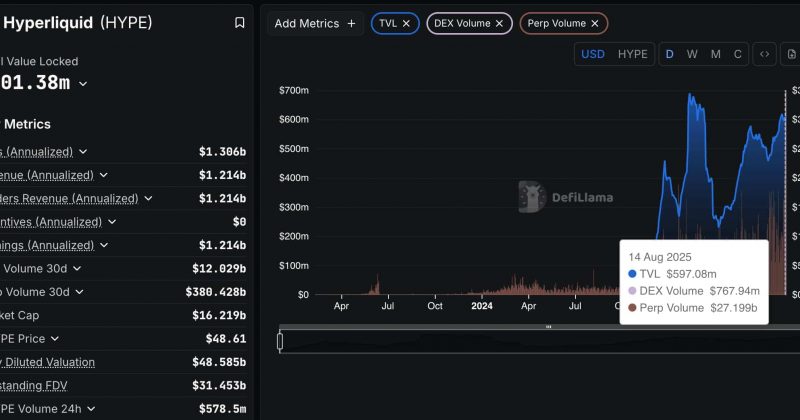
Supply Shock: Hyperliquid Burns 16% of HYPE Supply as US Stock Perpetuals Explode
The rise of crypto derivatives, spearheaded by Hyperliquid, signals a fundamental shift in market dynamics. By offering products that challenge the dominance of traditional finance, the protocol is not only reducing HYPE supply but also cementing its role as a direct competitor to legacy financial markets.

EU Regulator ESMA Targets Crypto Custody Risks in Major MiCA Compliance Push
As the MiCA framework transitions into full implementation, this crackdown highlights the EU's commitment to institutional-grade security. By scrutinizing incident response capabilities and reliance on third-party technology providers, ESMA is setting a high bar for digital operational resilience to protect the broader crypto-asset ecosystem.

Geopolitical Shock: Bitcoin Drops 2% as Trump Ends Iran Peace Deal
As Bitcoin threatens to break below the critical US$ 62,000 support level, the market is bracing for increased volatility. The ongoing tension in the Middle East serves as a major catalyst, driving risk-off sentiment and forcing traders to reassess their positions in the crypto market amid global instability.

India Crackdown Escalates: Central Bank Doubles Down on Crypto Ban Push
Tax officials are sounding the alarm, noting that the rise of private wallets and offshore trading is significantly undermining enforcement efforts. As authorities struggle to track decentralized movements, the regulatory pressure on crypto users in India is expected to intensify, creating a complex landscape for global investors.
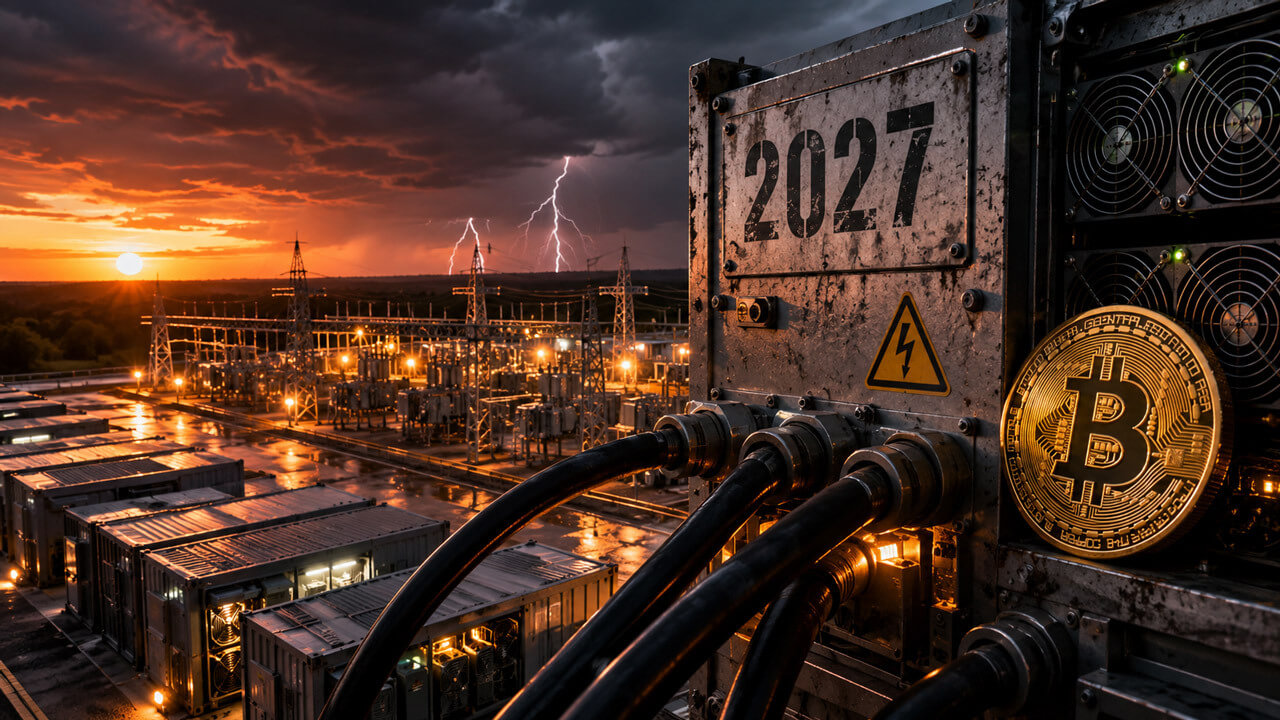
The 2027 Deadline: Bitcoin Miners Must Prove Their Worth to America’s Strained Power Grid
This energy crunch is fueled by a perfect storm of AI data center expansion, broader electrification, and cryptocurrency operations. As electricity consumption is expected to climb toward 4,399 billion kilowatt-hours by 2027, the ability of Bitcoin miners to integrate efficiently with the grid will determine their long-term survival in the American energy landscape.
