Strait of Hormuz Crisis: Iran Accuses US of Violating Maritime Traffic Agreement
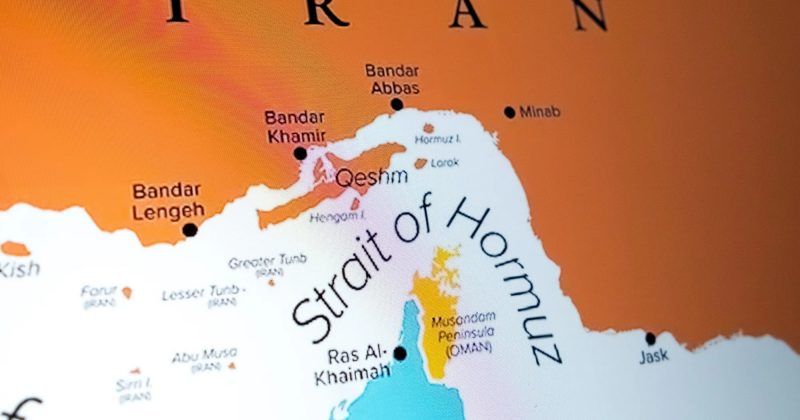
Geopolitical tensions are reaching a breaking point as Iran officially accuses the United States of violating the Strait of Hormuz traffic agreement. This escalation heightens the immediate risk of military conflict, threatening to disrupt one of the world's most vital maritime corridors.
The potential fallout from this dispute extends far beyond regional borders, posing a direct threat to global oil markets and international economic stability. As tensions rise in the Strait of Hormuz, the ripple effects could trigger massive volatility across global energy sectors and broader financial markets.
Iran has accused the United States of violating the Strait of Hormuz traffic agreement, a move that significantly escalates regional tensions. Experts warn that this friction could heighten the risk of military conflict, which would have profound impacts on global oil markets and overall regional stability.
This is a summarized and adapted version by Artificial Intelligence. To read the complete original story, visit the official source.
Read Full Article at Crypto BriefingSupport Jornal Bitcoin
Independent journalism, curated by AI, no clickbait. Keep the flame alive with any amount of BTC.
jonata@walletofsatoshi.comDaily Crypto Brief 📬
Subscribe to receive the curation of the most important Bitcoin and crypto news, summarized by AI. No spam.
Join more than 10,000 smart readers.
Related News
Geopolitical Shock: Bitcoin Drops 2% as Trump Ends Iran Peace Deal
As Bitcoin threatens to break below the critical US$ 62,000 support level, the market is bracing for increased volatility. The ongoing tension in the Middle East serves as a major catalyst, driving risk-off sentiment and forcing traders to reassess their positions in the crypto market amid global instability.
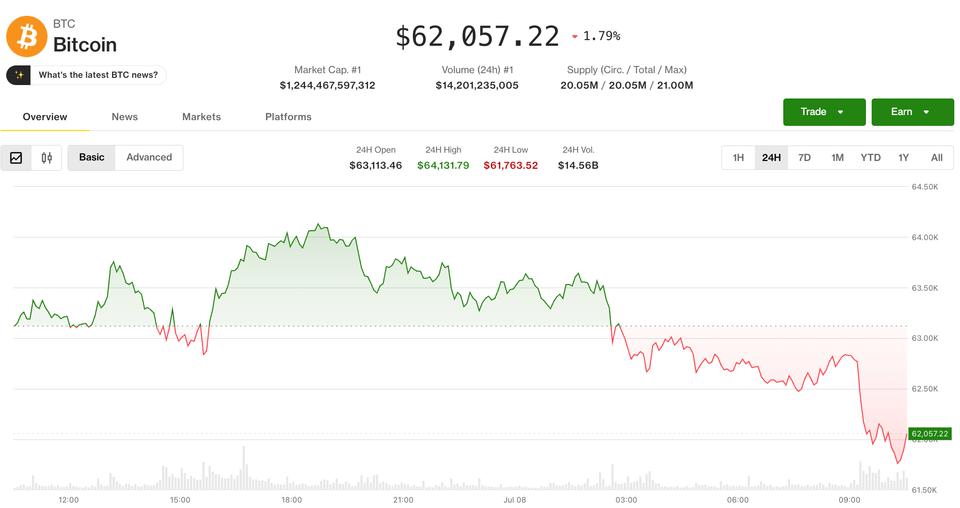
Market Meltdown: Crypto and Stocks Tumble as Trump Declares Iran Ceasefire 'Over'
As the U.S. and Iran engage in direct military exchanges, the resulting volatility is reshaping the risk landscape for digital assets. The immediate impact of these airstrikes highlights how deeply geopolitical instability can disrupt the crypto market, driving a rapid flight to liquidity as uncertainty dominates the global economic outlook.

Ukraine Drone Strike on Omsk Refinery Shifts Polymarket Odds for United Russia
As repairs begin on the damaged distillation units, the broader implications for Russian oil production and geopolitical stability remain uncertain. The intersection of drone strikes and market volatility highlights how physical warfare is now directly influencing real-time forecasting and political betting landscapes.
Geopolitical Chaos: Iranian Hardliners Call for Attacks on Trump and Erdogan at NATO Summit
Beyond the immediate political fallout, these threats could trigger massive market volatility, particularly regarding concerns over Iran's airspace closure. As geopolitical risks rise, the potential for sudden disruptions in global logistics and energy corridors remains a primary concern for institutional investors and global markets.
Middle East Escalation: How US-Iran Attacks are Shaking Oil and Global Markets
As energy costs surge, inflationary fears are resurfacing, potentially altering the trajectory of global monetary policies. For crypto and traditional asset holders, this volatility represents a pivotal moment where the demand for safe-haven assets could clash with a broader market sell-off driven by heightened geopolitical risk.

Trump Effect: US AI Restrictions Drive Firms Toward Chinese Open-Source Models
This unexpected disruption suggests that domestic restrictions on advanced AI systems may be backfiring, inadvertently boosting the global footprint of Chinese artificial intelligence. As companies bypass U.S.-regulated models, the geopolitical tension surrounding AI development and export controls is set to intensify, potentially eroding American dominance in the sector.
