Wall Street Giants Lobby SEC: Third-Party Tokens Labeled a Risk to Market Integrity
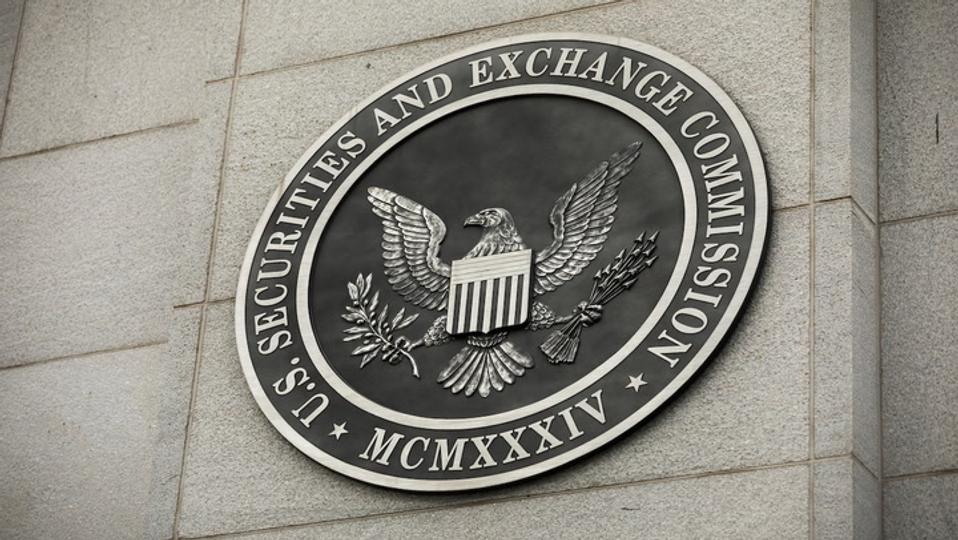
Traditional finance is drawing a line in the sand regarding the digital asset frontier. The Securities Transfer Association (STA) is officially lobbying the SEC, warning that third-party tokenization poses a direct threat to market integrity and institutional stability.
By advocating for preferential treatment for company-authorized tokenization, these transfer agents are seeking to shape future regulatory frameworks. This push aims to ensure that established financial institutions maintain control over the tokenization landscape, potentially sidelining decentralized competitors and third-party issuers.
Wall Street transfer agents are ramping up their lobbying efforts with the Securities and Exchange Commission (SEC). The Securities Transfer Association (STA), an industry group representing transfer agents, has warned that tokens issued by third parties could jeopardize the overall integrity of the financial markets.
The STA argues that future regulatory rules should grant preferential treatment to tokenization processes that are directly authorized by companies. This strategic move highlights the growing tension between traditional financial infrastructure and the burgeoning decentralized tokenization sector, as institutions fight to define the rules of engagement for digital assets.
This is a summarized and adapted version by Artificial Intelligence. To read the complete original story, visit the official source.
Read Full Article at CoinDeskSupport Jornal Bitcoin
Independent journalism, curated by AI, no clickbait. Keep the flame alive with any amount of BTC.
jonata@walletofsatoshi.comDaily Crypto Brief 📬
Subscribe to receive the curation of the most important Bitcoin and crypto news, summarized by AI. No spam.
Join more than 10,000 smart readers.
Related News

Ledger Breakthrough: Pay Celo Network Fees Using Stablecoins via CIP-64!
This strategic move significantly boosts accessibility for Celo's 8 million global users, streamlining the interaction with decentralized finance. By simplifying the gas payment process, Ledger and Celo are setting a new standard for user experience and paving the way for mass crypto adoption.
Trump Escalates CLARITY Act Push to Stop China from Seizing Crypto Dominance
The stakes extend beyond digital assets, as the push for the CLARITY Act is deeply intertwined with the global race for artificial intelligence supremacy. This geopolitical maneuver signals that the battle for crypto dominance is now a central pillar of the broader struggle for technological and economic hegemony between the U.S. and China.

Bitcoin Under Siege: Hormuz Strait Tensions Threaten $62K Support
Wall Street's downward opening reflects a massive shift toward risk aversion. The escalating tensions in the Middle East are driving investors away from volatile assets, creating a challenging environment for Bitcoin as it navigates this sudden macro-economic shock.

The End of Card Dominance? Stablecoins Outpace Visa and Mastercard Combined
In emerging markets like Brazil, this shift is actively reshaping informal exchange markets, providing a high-speed alternative to traditional currency volatility. Understanding the underlying mechanism, potential risks, and the evolving regulatory landscape is critical for anyone tracking the transition toward a digital-first financial infrastructure.

Clarity Act Showdown: Senate's Pivotal Week Could Redefine Crypto Regulation
The outcome of this vote carries massive implications for market stability and long-term investor confidence. By addressing current legislative uncertainty, the Clarity Act aims to provide the legal certainty required for the continued institutional adoption of digital assets.
‘Don’t Let China Win’: Trump Urges Senate to Fast-Track Clarity Act
This push for the Clarity Act is framed as a critical defense against Chinese influence in the global financial landscape. By securing legislative certainty, proponents aim to solidify American leadership in blockchain technology and ensure that the United States remains the primary hub for crypto innovation and institutional adoption.
