Legal Win: Judge Blocks Minnesota Ban on Prediction Markets

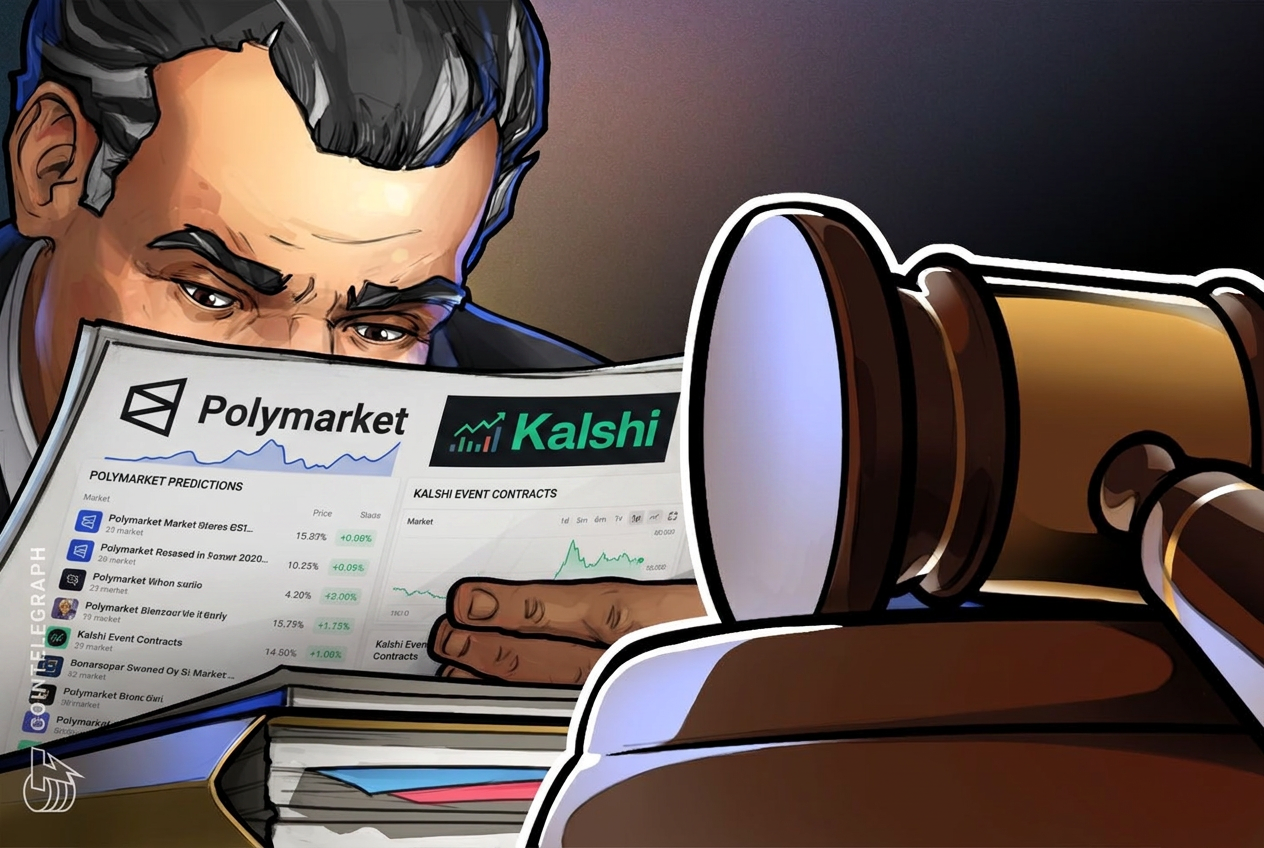
A major legal victory has arrived for the prediction market industry. A judge has blocked a Minnesota mandate aimed at banning platforms like Kalshi and Polymarket, providing a critical shield against sweeping state-level restrictions on event-based trading.
The ruling hinges on a technical distinction regarding whether prediction contracts qualify as 'swaps' under federal law. By finding that not every contract meets this definition, the judge has cleared a path for prediction markets to continue operating while navigating the complex landscape of federal regulation and financial compliance.
In a significant development for the decentralized and event-based trading sectors, a judge has issued an order blocking Minnesota's attempt to ban prediction markets. The legal battle focused on the classification of contracts traded on major platforms such as Kalshi and Polymarket.
The court's decision turned on the specific legal definition of a 'swap' under federal law. The judge ruled that not every prediction contract constitutes a swap, effectively preventing a blanket ban. This decision provides a crucial precedent for how prediction markets will be treated by regulators moving forward, distinguishing them from traditional derivative instruments.
This is a summarized and adapted version by Artificial Intelligence. To read the complete original story, visit the official source.
Read Full Article at DecryptSupport Jornal Bitcoin
Independent journalism, curated by AI, no clickbait. Keep the flame alive with any amount of BTC.
jonata@walletofsatoshi.comDaily Crypto Brief 📬
Subscribe to receive the curation of the most important Bitcoin and crypto news, summarized by AI. No spam.
Join more than 10,000 smart readers.
Related News

Regulatory Showdown: Hyperliquid and Multicoin Demand Unified Rules for Prediction Markets
The core of the demand focuses on transparency, specifically asking the CFTC to clarify settlement tests and mandate the publication of detailed reasoning following every contract review. This push for accountability aims to prevent arbitrary enforcement and create a stable environment for the next wave of institutional adoption in decentralized finance.
Legal Win: US Judge Blocks Minnesota's Ban on Prediction Markets
This ruling highlights a critical tension between state-level restrictions and federal oversight. By suggesting that the Commodity Exchange Act may take precedence, the court is signaling that event contracts qualifying as swaps fall under the exclusive jurisdiction of the CFTC, potentially setting a massive precedent for the future of decentralized and regulated prediction markets.
Kalshi Scandal: Exchange Ignored Spotify Manipulation Warnings to Settle $3.3M Market
The fallout is significant, as Spotify stripped 523,000 fraudulent streams from the winning song just one day after the settlement was finalized. This massive discrepancy highlights a dangerous lag between real-world data manipulation and exchange enforcement, potentially setting a precedent for how prediction markets handle high-stakes digital asset volatility and fraudulent streaming metrics.

Legal Landmark: Kalshi and Polymarket Secure Injunction Against Minnesota Prediction Market Ban
Beyond the immediate relief for these platforms, the injunction underscores the escalating tension between state and federal authority regarding market oversight. This ruling is expected to set a critical precedent, potentially influencing how future regulations are drafted and how federal law interacts with state-imposed limitations on prediction markets and digital asset trading.
Legal Win: Federal Judge Halts Minnesota's Ban on Prediction Markets
This decision highlights the ongoing tension between state-level restrictions and federal authority in the evolving crypto and betting landscape. By prioritizing federal commodity laws, the court has set a significant precedent that could prevent a patchwork of conflicting state regulations from stifling the growth of decentralized and regulated prediction platforms.
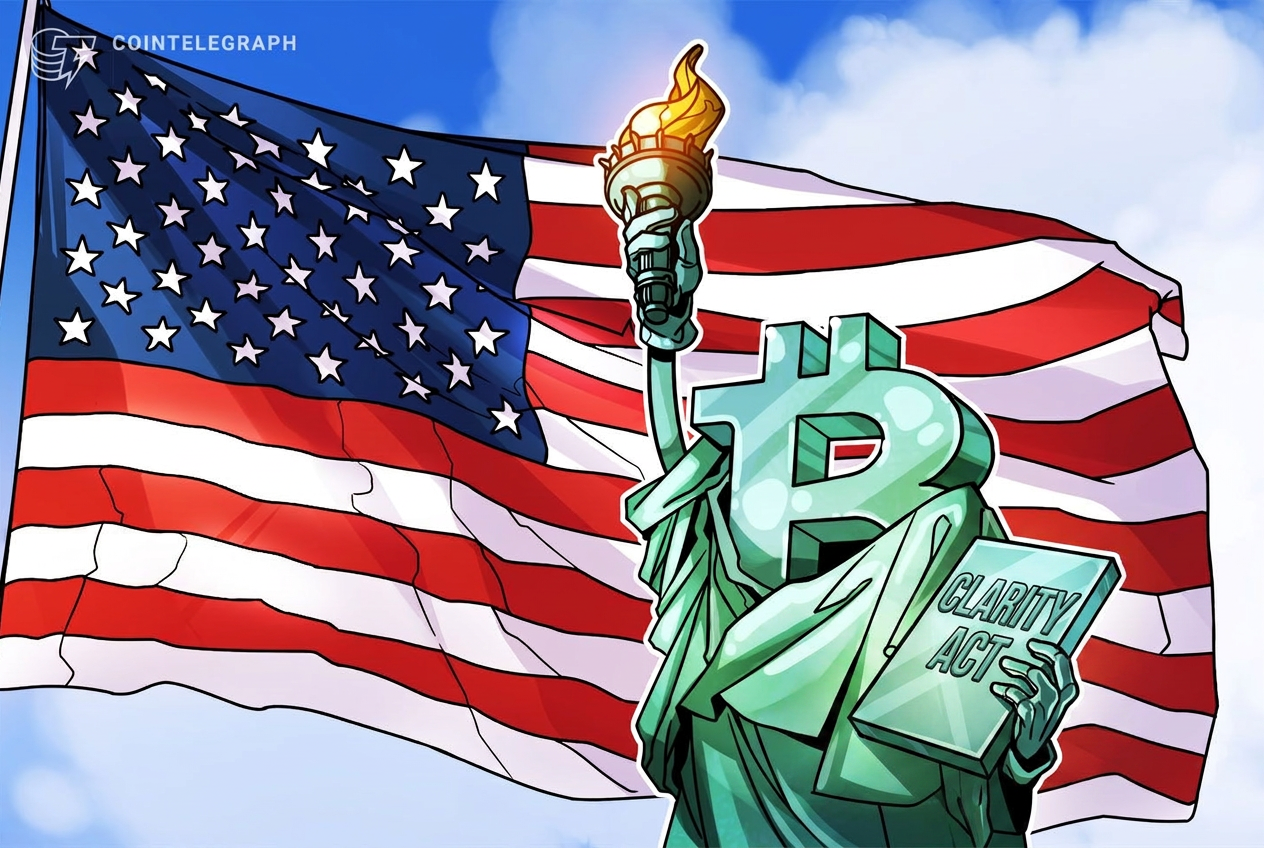
NY Attorney General Warns: New Federal Crypto Bill Could Cripple State Enforcement
This regulatory tug-of-war comes at a volatile time, as crypto scam complaints in New York have tripled over the last three years, resulting in nearly $500 million in losses. The Attorney General is calling for stronger consumer protections to ensure that federal oversight does not come at the expense of state-level accountability and investor safety.
