Regulatory Showdown: Hyperliquid and Multicoin Demand Unified Rules for Prediction Markets

In a decisive move to combat regulatory ambiguity, Hyperliquid and Multicoin Capital have filed a joint petition with the CFTC. The filing advocates for federal oversight but demands a unified rulebook for prediction markets to ensure industry-wide consistency and legal certainty.
The core of the demand focuses on transparency, specifically asking the CFTC to clarify settlement tests and mandate the publication of detailed reasoning following every contract review. This push for accountability aims to prevent arbitrary enforcement and create a stable environment for the next wave of institutional adoption in decentralized finance.
Key demands include a formal clarification of settlement tests and a requirement for the CFTC to publish its specific reasoning after reviewing any contract. By seeking this level of transparency, the industry leaders hope to establish a predictable framework that fosters innovation rather than stifling it through opaque regulatory decisions.
This is a summarized and adapted version by Artificial Intelligence. To read the complete original story, visit the official source.
Read Full Article at CryptoPotatoSupport Jornal Bitcoin
Independent journalism, curated by AI, no clickbait. Keep the flame alive with any amount of BTC.
jonata@walletofsatoshi.comDaily Crypto Brief 📬
Subscribe to receive the curation of the most important Bitcoin and crypto news, summarized by AI. No spam.
Join more than 10,000 smart readers.
Related News

The AI Identity War: Hush Security Secures $30M to Govern Non-Human Agents
This massive funding round underscores a critical pivot in cybersecurity: the move toward managing autonomous entities. By addressing the vulnerabilities inherent in AI agent governance, Hush Security is building the necessary guardrails to prevent systemic failures in an increasingly automated global economy.
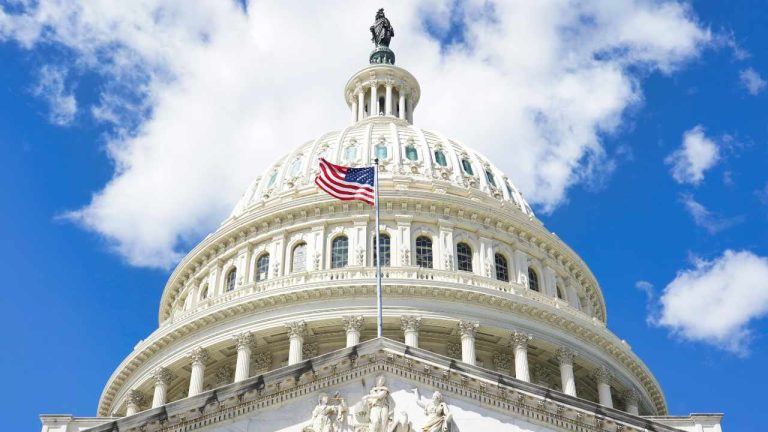
Sen. Jon Husted Backs the CLARITY Act—But the Odds of Passage in 2026 Slip to 30%
Husted’s support adds to the chorus of Senate backers, but the political runway is narrowing. With the CLARITY Act’s future uncertain, the broader push for clear cryptocurrency regulation, market rules, and a more predictable framework for digital asset oversight continues to hinge on timing, negotiations, and legislative momentum—factors that will shape the sector’s expectations well beyond 2026.
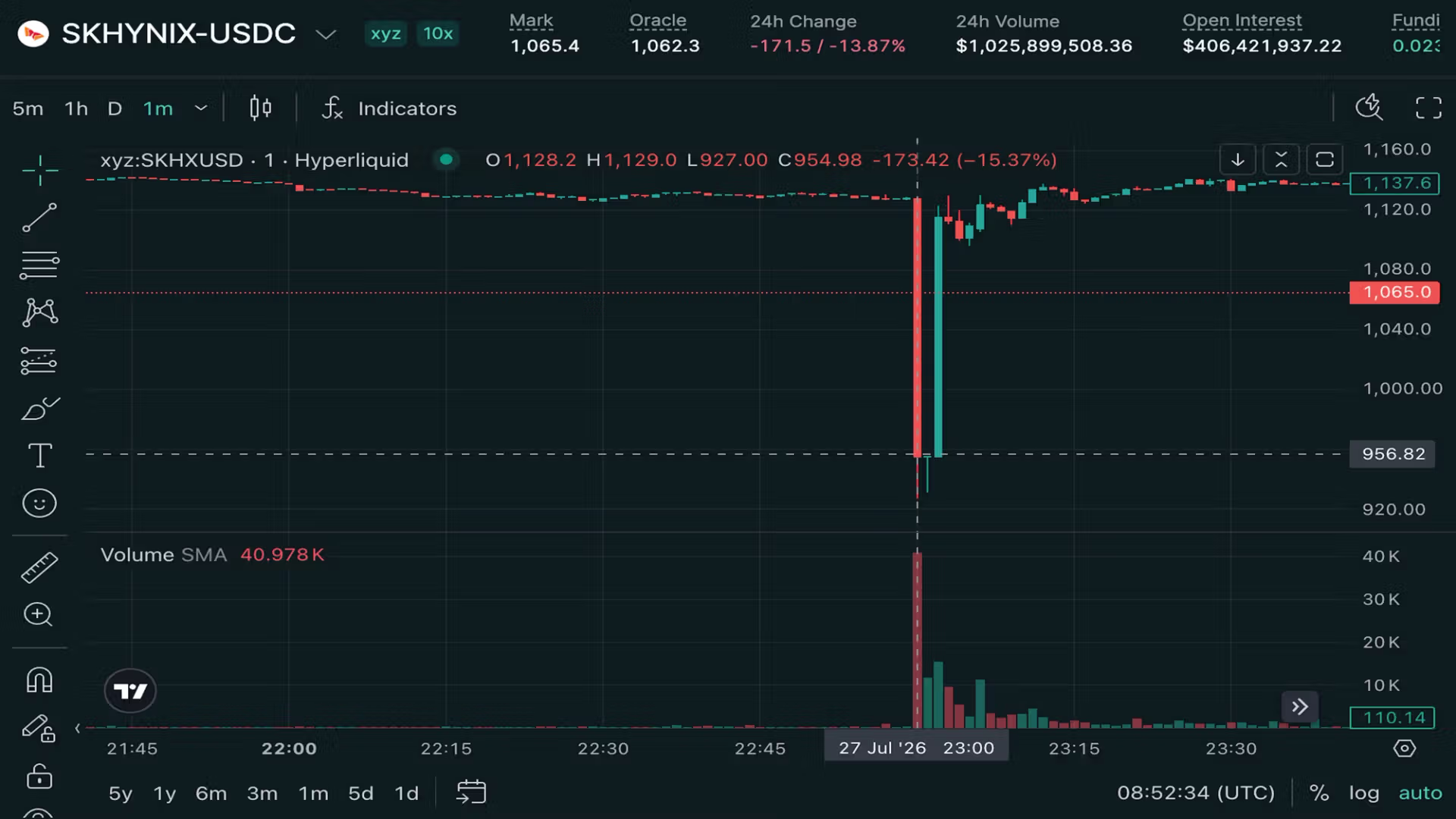
Hyperliquid Chaos: SK Hynix Perpetuals Hit by Massive $900 Flash Crash
Following the rapid descent, the market staged a swift recovery, rebounding to trade above $1,000. This volatility underscores the inherent risks of trading perpetual futures in decentralized environments and the intense price action often seen in highly leveraged crypto-linked assets.

Kenya Slash Stablecoin Capital Rules by 40% to Invite Global Issuers
By easing these financial requirements, the Central Bank of Kenya is positioning the nation to attract major global issuers looking for strategic entry points into the African continent. This regulatory shift is expected to drive liquidity and foster greater integration of stablecoins within the local digital economy.

Crypto Trading Slump: BitMEX and BitMart at Risk as Volumes Hit 2-Year Low
This significant contraction in trading volumes poses a direct threat to the business models of centralized platforms that rely heavily on transaction fees. As the digital asset market enters this period of stagnation, the industry faces a critical test of resilience for its most established players.

Legal Win: Judge Blocks Minnesota Ban on Prediction Markets
The ruling hinges on a technical distinction regarding whether prediction contracts qualify as 'swaps' under federal law. By finding that not every contract meets this definition, the judge has cleared a path for prediction markets to continue operating while navigating the complex landscape of federal regulation and financial compliance.
