Trade War Alert: US Imposes 25% Tariff on Brazil, Sending Markets into Turmoil
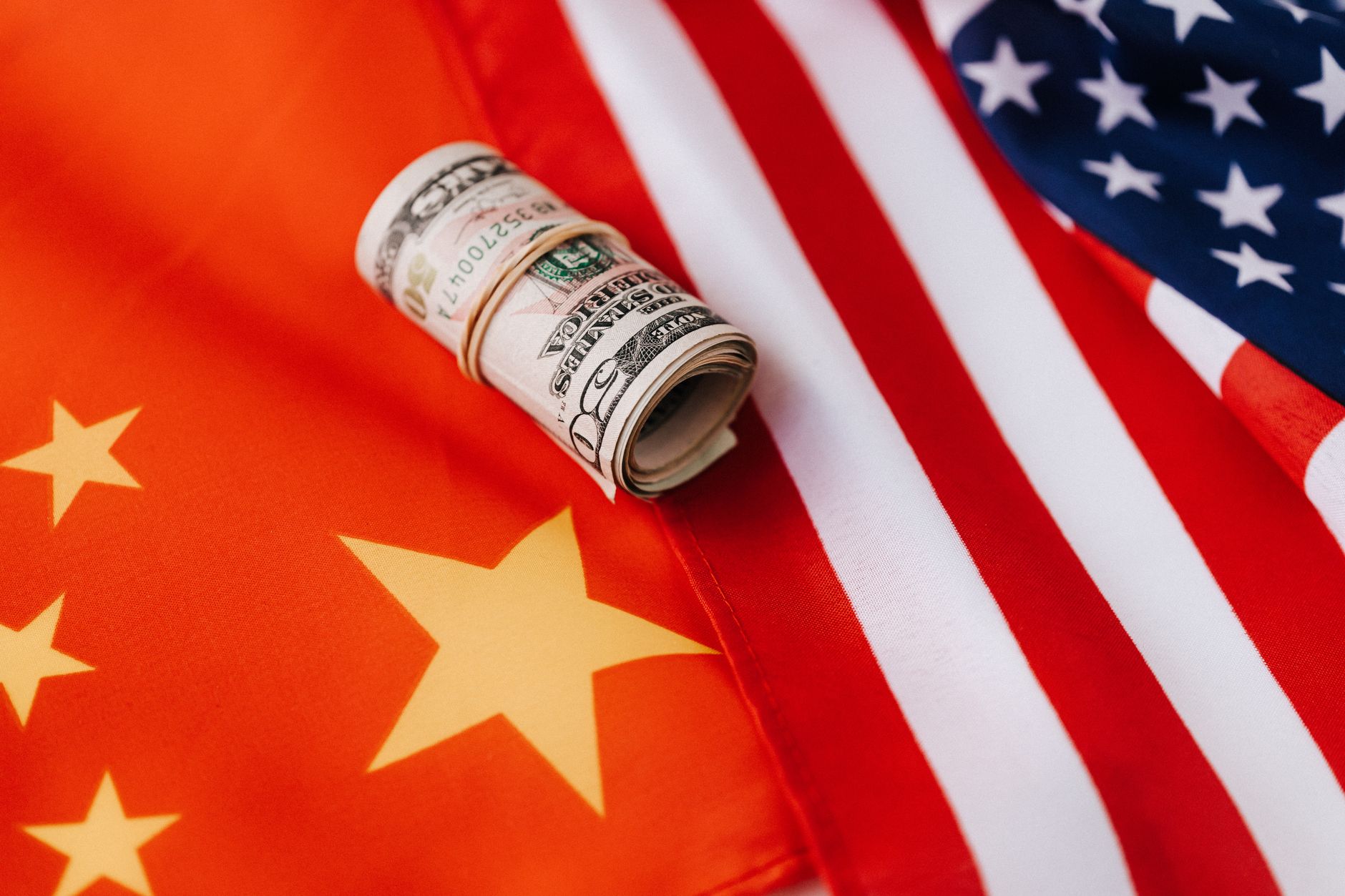
The Brazilian economy faced an immediate shock following the US announcement of a 25% tariff on Brazilian goods. This move triggered a sharp sell-off in the Ibovespa, which dropped 1.24%, while the USD surged to R$ 5.09, highlighting intense volatility in the financial market.
However, the blow may not be absolute, as a strategic list of exceptions has been introduced to soften the impact on specific sectors. Investors are closely watching how this US protectionist policy will reshape trade relations and influence capital flows into emerging markets.
The United States has imposed a 25% tariff on Brazilian imports, sparking immediate uncertainty across global markets. The reaction was swift: the Ibovespa fell by 1.24% and the US Dollar climbed to R$ 5.09. While the measure poses a significant challenge to the Brazilian economy, a list of exceptions may mitigate the damage for certain key industries. Market participants are now analyzing the real-world impact and the potential for long-term shifts in bilateral trade.
This is a summarized and adapted version by Artificial Intelligence. To read the complete original story, visit the official source.
Read Full Article at BlockTrendsSupport Jornal Bitcoin
Independent journalism, curated by AI, no clickbait. Keep the flame alive with any amount of BTC.
jonata@walletofsatoshi.comDaily Crypto Brief 📬
Subscribe to receive the curation of the most important Bitcoin and crypto news, summarized by AI. No spam.
Join more than 10,000 smart readers.
Related News

Fed Warning: Lorie Logan Calls for Higher Rates, Pressuring Risk Assets
Such a policy stance could strain market stability and fundamentally alter future monetary policy decisions. As the Fed recalibrates, the resulting pressure on risk assets is expected to drive volatility, forcing investors to reassess their exposure to high-growth sectors like crypto and tech.
Market Alert: Surging Treasury Yields Drag Down S&P 500 and Nasdaq
This trend poses a direct challenge to growth stocks and the crypto market, as higher risk-free rates diminish the appeal of volatile assets. As the probability of Fed rate cuts fades, the liquidity that typically fuels crypto and tech sectors faces significant headwinds, driving a rotation toward safer, yield-bearing government securities.

Tokenized Stocks Market Hits All-Time High of $2.3 Billion
Network dominance remains a key metric, with Ethereum capturing 34% of the market share, followed by BNB Chain and Solana. Major players like Kraken and Binance are fueling this momentum through their respective tokenized offerings, while Ondo Finance continues to lead the industry as the premier issuer of onchain equities, solidifying the dominance of Real World Assets (RWA) in the crypto space.
US 25% Tariff on Brazil: How the Exchange Rate Will Actually React
This development forces investors to re-evaluate the volatility of the Brazilian Real. Understanding the interplay between these new trade barriers and the current US economic stability is essential for navigating the upcoming shifts in the global currency market.

Gulf Crisis Escalates: Kuwait Military Confronts Iranian Drones Amid Rising Tensions
Beyond the immediate geopolitical fallout, this instability poses a significant threat to global market volatility. As regional tensions rise, investors should prepare for sudden shifts in risk appetite and potential disruptions in energy-sensitive economic sectors.

Market Shock: South Korean Stocks Slump Following First Rate Hike in Three Years
Driven by escalating inflation concerns, the rate hike is expected to dampen consumer spending and squeeze corporate earnings. As the central bank prioritizes price stability, the broader economic impact could reshape market sentiment and influence global risk appetite.
