Gulf Crisis Escalates: Kuwait Military Confronts Iranian Drones Amid Rising Tensions
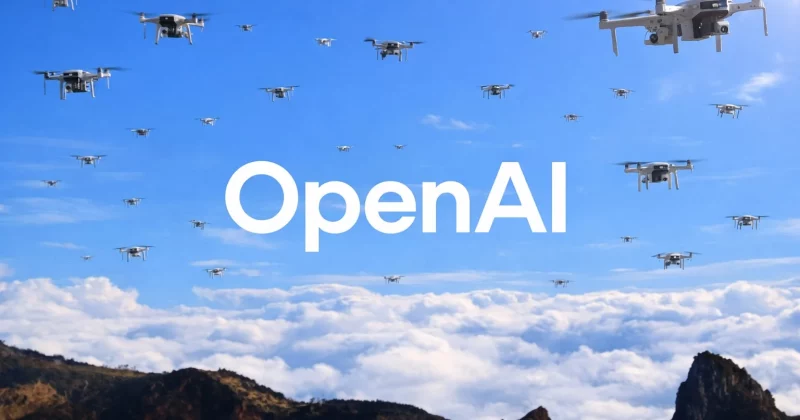
Kuwait's military engagement with Iranian drones marks a dangerous escalation in Gulf tensions, signaling a heightened risk of regional conflict. This direct confrontation highlights the fragile security landscape in the Middle East and the immediate threat of military escalation.
Beyond the immediate geopolitical fallout, this instability poses a significant threat to global market volatility. As regional tensions rise, investors should prepare for sudden shifts in risk appetite and potential disruptions in energy-sensitive economic sectors.
This is a summarized and adapted version by Artificial Intelligence. To read the complete original story, visit the official source.
Read Full Article at Crypto BriefingSupport Jornal Bitcoin
Independent journalism, curated by AI, no clickbait. Keep the flame alive with any amount of BTC.
jonata@walletofsatoshi.comDaily Crypto Brief 📬
Subscribe to receive the curation of the most important Bitcoin and crypto news, summarized by AI. No spam.
Join more than 10,000 smart readers.
Related News

Bitcoin's Old Coins Go Silent: Will the $69,000 Mark Break New Holders?
Market analysts are now eyeing the $69,000 threshold as a critical psychological battleground. This slowdown suggests a period of consolidation, but it also raises the stakes: if Bitcoin fails to hold key support, the market will quickly learn whether these new holders have the conviction to stay or if they will crack under pressure.

Bitcoin Under Pressure: BTC Dips but Holds $64K Amid Iran Conflict Fears
Geopolitical tensions involving Iran have emerged as a primary driver of uncertainty, forcing traders into a defensive stance. This intersection of macroeconomic shifts and Middle East instability means the Bitcoin price remains sensitive to sudden news cycles, with the market awaiting a clear catalyst to break out of its current consolidation phase.

JD Vance Claims Israeli Factions May Seek Indefinite War with Iran
Beyond the immediate political fallout, these remarks underscore a growing risk to market confidence and the predictability of diplomatic resolutions. As geopolitical tensions rise, the prospect of a prolonged war between Israel and Iran threatens to inject significant volatility into global markets, forcing investors to brace for heightened uncertainty.
Diesel Hits $5 a Gallon: Iran Conflict Triggers 33% Price Surge and Inflation Fears
The impact extends far beyond the pump, threatening to destabilize the transportation and agriculture sectors while risking major disruptions in global energy markets. As geopolitical tensions rise, the economic consequences of this fuel shortage could reshape market volatility in the coming months.
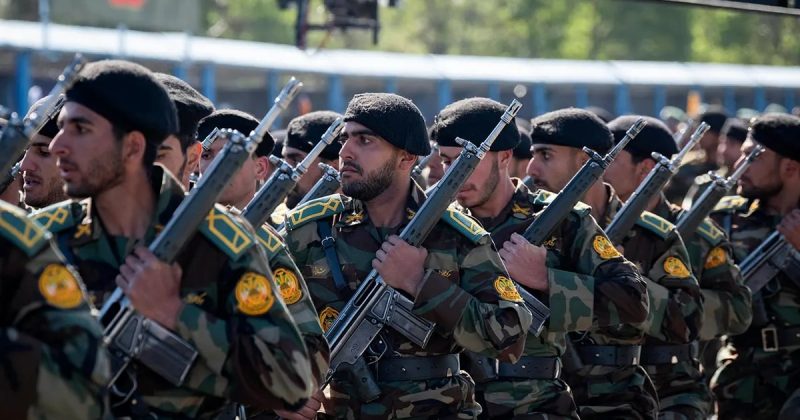
Middle East Escalation: Iran Warns of Regional Strikes Against US Infrastructure Targets
This escalation significantly complicates ongoing diplomatic efforts and creates a high-stakes environment for global stability. The heightened tension is expected to reduce the likelihood of a successful US-Iran deal by 2026, potentially triggering volatility across global markets and complicating international security frameworks.
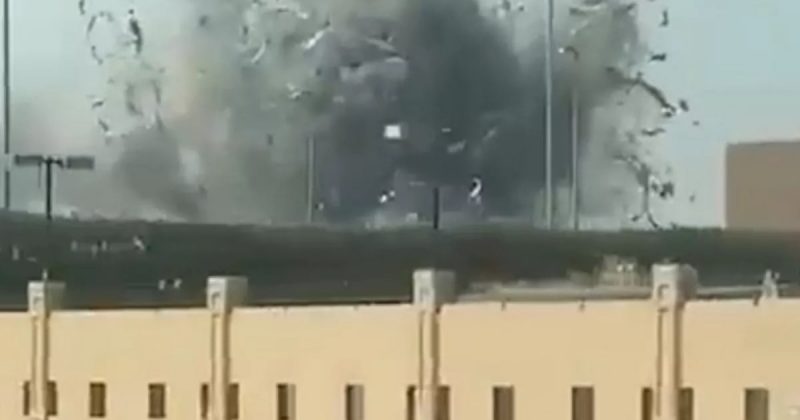
Geopolitical Shockwave: IRGC Claims Destruction of US Military Assets in Bahrain
Such instability is expected to destabilize regional markets and trigger immediate diplomatic interventions. As geopolitical risks rise, the ripple effects could cause significant volatility across global financial sectors and energy markets.
