Energy Power Play: US, Iraq, and Syria Plot Mediterranean Pipeline to Bypass Hormuz
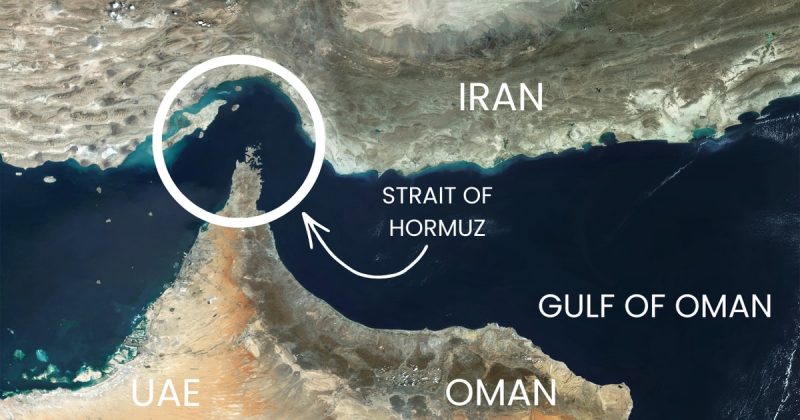
A major geopolitical shift is underway as the US, Iraq, and Syria move toward a Mediterranean pipeline deal designed to bypass the Strait of Hormuz. This strategic infrastructure project aims to secure energy flows and mitigate the risks associated with one of the world's most volatile maritime chokepoints.
Beyond securing supply lines, the deal is expected to reshape regional energy dynamics and potentially signal Syria's economic reintegration in the post-conflict era. The successful implementation of this pipeline could fundamentally alter global energy security and regional trade patterns.
This is a summarized and adapted version by Artificial Intelligence. To read the complete original story, visit the official source.
Read Full Article at Crypto BriefingSupport Jornal Bitcoin
Independent journalism, curated by AI, no clickbait. Keep the flame alive with any amount of BTC.
jonata@walletofsatoshi.comDaily Crypto Brief 📬
Subscribe to receive the curation of the most important Bitcoin and crypto news, summarized by AI. No spam.
Join more than 10,000 smart readers.
Related News
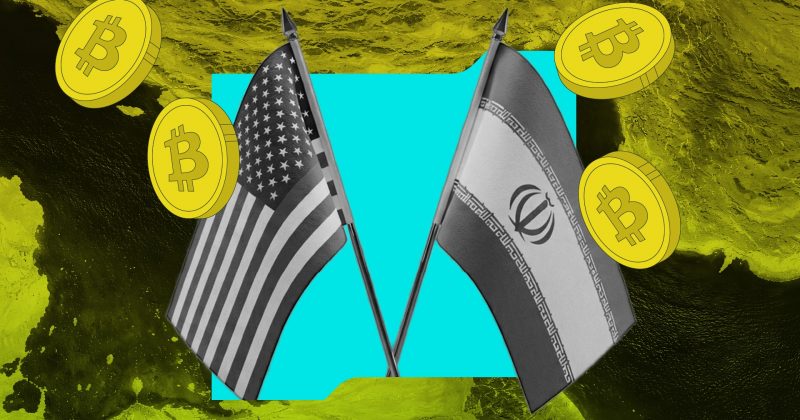
US Ultimatum to Iran: Strait of Hormuz Tension Hits Bitcoin Hard
Beyond the immediate threat to oil transit, the standoff highlights the interconnectedness between geopolitical conflict and digital assets. As the world watches the Strait of Hormuz, the resulting market volatility serves as a stress test for Bitcoin, proving that even decentralized assets remain susceptible to massive shifts in global political stability.
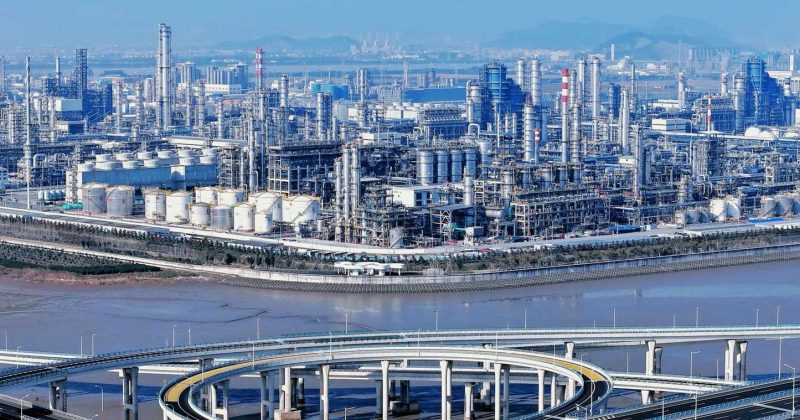
Energy Alert: China Orders Sinopec to Maintain Fuel Flow Amid Iran Conflict
The directive highlights Beijing's intense focus on energy security and economic stability in the face of rising supply risks. As the Iran conflict intensifies, China's proactive stance aims to safeguard its industrial backbone and mitigate the impact of any sudden disruptions in the global oil market.

Supply Chain Shock: China Halts Helium Exports, Threatening Global Chip Production
This disruption is expected to exacerbate global chip supply issues, potentially leading to significant delays in tech production and heightened geopolitical friction. As the industry braces for impact, the scarcity of helium could reshape market dynamics and increase the cost of hardware worldwide.

Geopolitical Betting: Switzerland Leads Odds as Potential US-Iran Negotiation Venue
The stakes have been raised following reports from Iranian state media regarding strikes on military headquarters in Bushehr and Konarak. With the US denying involvement in these strikes, the volatility in prediction markets underscores how heightened geopolitical risk is directly influencing the perceived path of international diplomacy.
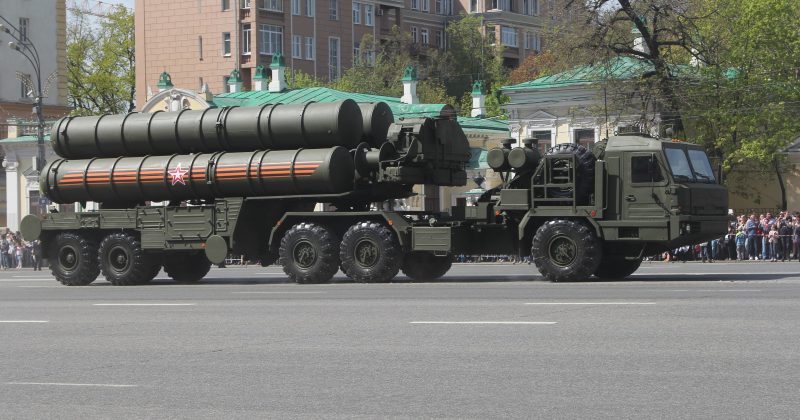
Geopolitical Shift: Turkey's S-400 Sale Could Rewrite Sanctions and Defense Spending Rules
The consequences of this deal extend far beyond hardware, threatening to restructure the entire landscape of defense spending and geopolitical alignment. As Turkey navigates these waters, the ripple effects could redefine how military technology influences international diplomacy and economic sanctions.

Hormuz Strait Chaos: Polymarket Odds Plummet Amid Escalating US-Iran Conflict
In response to this escalating tension, Polymarket odds for the normalization of maritime traffic have dropped to 65.5%. This sharp decline underscores how investors are rapidly pricing in the risks of Middle East instability and the potential for massive disruptions to global supply chains.
