Geopolitical Betting: Switzerland Leads Odds as Potential US-Iran Negotiation Venue
Polymarket odds are shifting rapidly as global tensions reach a boiling point. Switzerland has emerged as the frontrunner with a 28.5% probability of hosting the critical talks between the United States and Iran, signaling a market-driven bet on neutral diplomatic ground.
The stakes have been raised following reports from Iranian state media regarding strikes on military headquarters in Bushehr and Konarak. With the US denying involvement in these strikes, the volatility in prediction markets underscores how heightened geopolitical risk is directly influencing the perceived path of international diplomacy.
According to recent data from Polymarket, Switzerland has taken the lead with a 28.5% probability of serving as the venue for upcoming US-Iran negotiations. This shift highlights the market's anticipation of a neutral setting amidst escalating regional conflict.
Iranian state media reported strikes hitting military headquarters in Bushehr and the port city of Konarak. While the United States informed Al Jazeera that it did not carry out these strikes, the timing—coinciding with significant political movements in Iran—has sent ripples through prediction markets and heightened global uncertainty.
This is a summarized and adapted version by Artificial Intelligence. To read the complete original story, visit the official source.
Read Full Article at Blockchain.newsSupport Jornal Bitcoin
Independent journalism, curated by AI, no clickbait. Keep the flame alive with any amount of BTC.
jonata@walletofsatoshi.comDaily Crypto Brief 📬
Subscribe to receive the curation of the most important Bitcoin and crypto news, summarized by AI. No spam.
Join more than 10,000 smart readers.
Related News

Supply Chain Shock: China Halts Helium Exports, Threatening Global Chip Production
This disruption is expected to exacerbate global chip supply issues, potentially leading to significant delays in tech production and heightened geopolitical friction. As the industry braces for impact, the scarcity of helium could reshape market dynamics and increase the cost of hardware worldwide.
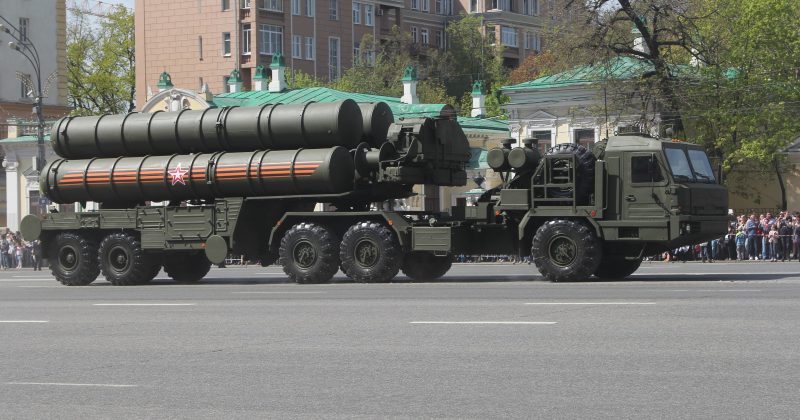
Geopolitical Shift: Turkey's S-400 Sale Could Rewrite Sanctions and Defense Spending Rules
The consequences of this deal extend far beyond hardware, threatening to restructure the entire landscape of defense spending and geopolitical alignment. As Turkey navigates these waters, the ripple effects could redefine how military technology influences international diplomacy and economic sanctions.
Polymarket Predicts Near-Certainty: Bitcoin Odds Above $52K Hit 99.95%
Market dynamics, specifically liquidations and a weakening US dollar, are acting as primary catalysts for this upward momentum. As July 12 ladder pivots hover near $64,000, investors are closely watching how these macroeconomic shifts and liquidity flows will dictate the next major leg of the Bitcoin rally.

Hormuz Strait Chaos: Polymarket Odds Plummet Amid Escalating US-Iran Conflict
In response to this escalating tension, Polymarket odds for the normalization of maritime traffic have dropped to 65.5%. This sharp decline underscores how investors are rapidly pricing in the risks of Middle East instability and the potential for massive disruptions to global supply chains.

Trump threatens Iran after funeral crowds chant for his killing—geopolitics rattled again
Context and impact: With regional stability hanging by a thread, Trump’s warning could further strain US–Iran relations and complicate diplomatic efforts, potentially spilling into global markets. Any deterioration may pressure oil markets and heighten risk volatility, with knock-on effects for broader investor sentiment—including in crypto.
Fed Rate Cut Hopes Fading? Polymarket Odds for Zero Cuts in 2026 Hit 78% Following Warsh Move
The shift follows Kevin Warsh's appointment of experts to five Federal Reserve task forces designed to review core policies and operations. As these findings are reported back to FOMC officials, potential structural changes to the Fed's framework are expected later this year, creating significant volatility for global markets.
