Energy Alert: China Orders Sinopec to Maintain Fuel Flow Amid Iran Conflict
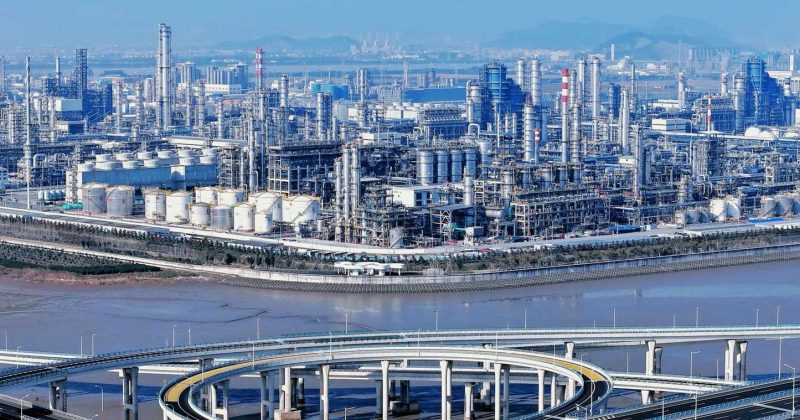
China has issued a strategic directive to state-owned Sinopec to ensure uninterrupted fuel output as geopolitical tensions in Iran threaten to squeeze the global oil supply. This move is a preemptive strike against potential energy shortages and market volatility caused by Middle East instability.
The directive highlights Beijing's intense focus on energy security and economic stability in the face of rising supply risks. As the Iran conflict intensifies, China's proactive stance aims to safeguard its industrial backbone and mitigate the impact of any sudden disruptions in the global oil market.
In a direct response to escalating tensions in the Middle East, the Chinese government has ordered state giant Sinopec to maintain a steady flow of fuel to prevent widespread shortages. The directive comes at a critical juncture, as the conflict in Iran threatens to squeeze the global oil supply, creating significant uncertainty across commodity markets.
Beijing's decision reflects a strategic emphasis on energy security and the preservation of economic stability. By instructing Sinopec to prioritize output and distribution, China is attempting to insulate its economy from the volatility triggered by geopolitical instability and potential disruptions in crude oil availability.
This is a summarized and adapted version by Artificial Intelligence. To read the complete original story, visit the official source.
Read Full Article at Crypto BriefingSupport Jornal Bitcoin
Independent journalism, curated by AI, no clickbait. Keep the flame alive with any amount of BTC.
jonata@walletofsatoshi.comDaily Crypto Brief 📬
Subscribe to receive the curation of the most important Bitcoin and crypto news, summarized by AI. No spam.
Join more than 10,000 smart readers.
Related News

Supply Chain Shock: China Halts Helium Exports, Threatening Global Chip Production
This disruption is expected to exacerbate global chip supply issues, potentially leading to significant delays in tech production and heightened geopolitical friction. As the industry braces for impact, the scarcity of helium could reshape market dynamics and increase the cost of hardware worldwide.

De-dollarization Alert: Angola Permits Banks to Use China's Yuan for Reserves
The inclusion of the Yuan reflects China's expanding economic footprint and could serve as a blueprint for other emerging markets seeking to mitigate dollar-related risks. As global finance shifts, Angola's policy change highlights the growing momentum behind de-dollarization efforts and the reconfiguration of global monetary power.

Russia’s Helium Export Ban is Quietly Squeezing China’s Chip Ambitions
China finds itself in a precarious position as the helium shortage threatens its long-term ambitions for chip sovereignty and high-tech dominance. The ripple effects of this supply disruption could delay global innovation and force a massive realignment of technological trade routes.
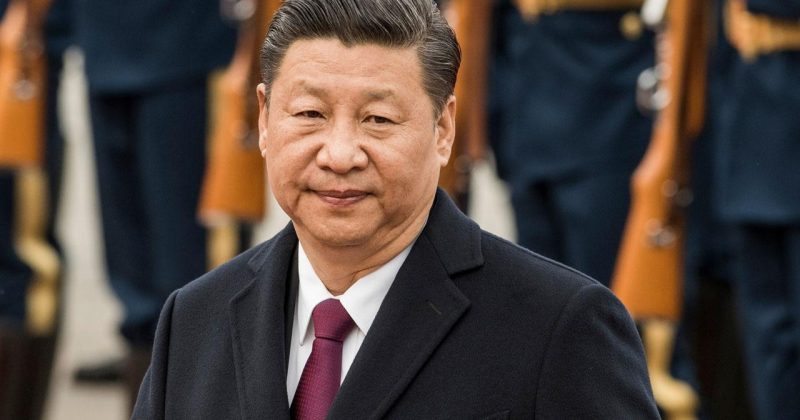
Nuclear Tension: China's Ultimatum to Russia Sends Shockwaves Through Crypto Risk Models
Beyond immediate price swings, this tension is expected to trigger intensified regulatory scrutiny across major economies. As geopolitical risk calculus evolves, the crypto market must navigate a landscape where digital assets are simultaneously viewed as hedge instruments and targets for increased government oversight during periods of global instability.

Regulatory Loophole? OpenAI and Google Sell AI Models to Blacklisted Chinese-Linked Firms in Singapore
The strategic use of Singapore as a neutral hub for AI transactions underscores the growing complexity of global tech governance. As geopolitical tensions rise, these loopholes allow sanctioned entities to maintain access to cutting-edge AI models, posing a direct challenge to the effectiveness of current export controls and technological containment strategies.
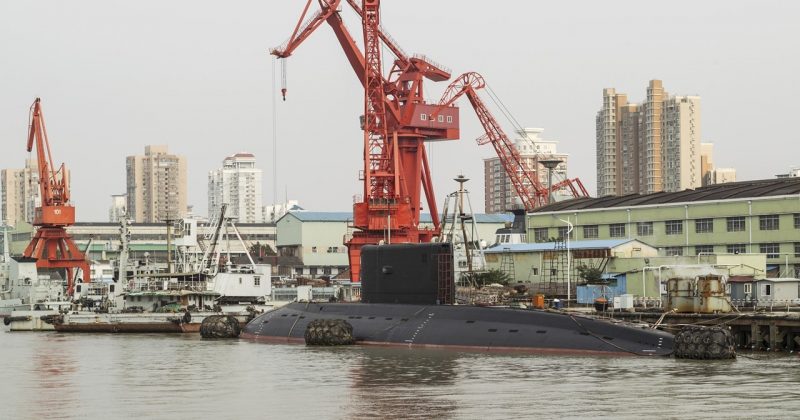
China’s Submarine Missile Test Sends a Warning to Washington: Why Markets Are on Edge
As military capabilities expand, the risk of miscalculation grows, prompting urgent calls for improved communication between global superpowers. For investors, this heightened instability acts as a primary driver for market volatility, potentially shifting capital toward decentralized assets as a hedge against geopolitical unrest.
