Geopolitical Flashpoint: US Forces Disable Oil Tanker Breaching Iranian Blockade
Tensions have reached a boiling point as US forces disabled an oil tanker for breaching an Iranian blockade, marking the first significant strike since July. This direct confrontation significantly heightens US-Iran tensions, injecting a surge of uncertainty into global markets and forcing a re-evaluation of geopolitical risk levels.
The incident threatens to disrupt the Strait of Hormuz, a critical artery for global energy, delaying any potential normalization of maritime traffic. As market perceptions shift in response to this military escalation, the ripple effects are expected to impact both commodity prices and broader financial stability, creating a high-volatility environment for global investors.
This is a summarized and adapted version by Artificial Intelligence. To read the complete original story, visit the official source.
Read Full Article at Crypto BriefingSupport Jornal Bitcoin
Independent journalism, curated by AI, no clickbait. Keep the flame alive with any amount of BTC.
jonata@walletofsatoshi.comDaily Crypto Brief 📬
Subscribe to receive the curation of the most important Bitcoin and crypto news, summarized by AI. No spam.
Join more than 10,000 smart readers.
Related News
Polymarket Surge: Maduro Odds Skyrocket to 80% for Venezuela 2026 Leadership
The impact of this scenario on the crypto market and prediction platforms is profound, demonstrating how geopolitical volatility fuels trading volume in event markets. The rise of Maduro in Polymarket odds serves as a critical barometer for analysts monitoring systemic risks and the influence of authoritarian regimes on the global economy.
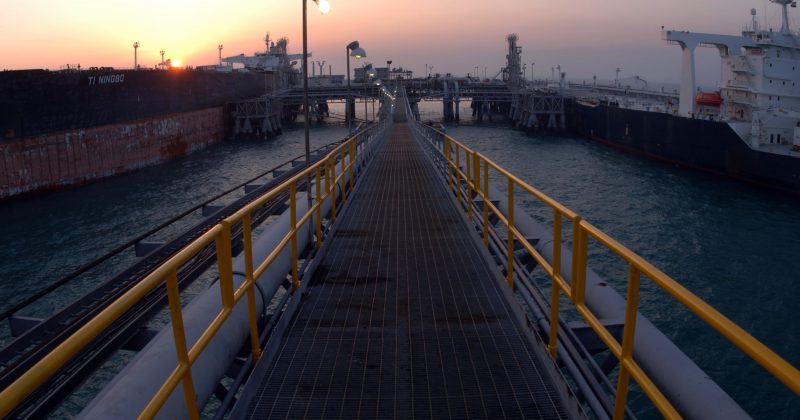
Basra Drone Incident: SOMO Clarifies No Direct Attack on Oil Terminal
The incident underscores the ongoing regional tensions that continue to impact Iraq's oil sector. It highlights the persistent vulnerabilities within the energy supply chain as geopolitical conflicts create unpredictable risks for global oil stability.

Gulf Crisis Escalates: Kuwait Military Confronts Iranian Drones Amid Rising Tensions
Beyond the immediate geopolitical fallout, this instability poses a significant threat to global market volatility. As regional tensions rise, investors should prepare for sudden shifts in risk appetite and potential disruptions in energy-sensitive economic sectors.

Bitcoin Under Pressure: BTC Dips but Holds $64K Amid Iran Conflict Fears
Geopolitical tensions involving Iran have emerged as a primary driver of uncertainty, forcing traders into a defensive stance. This intersection of macroeconomic shifts and Middle East instability means the Bitcoin price remains sensitive to sudden news cycles, with the market awaiting a clear catalyst to break out of its current consolidation phase.
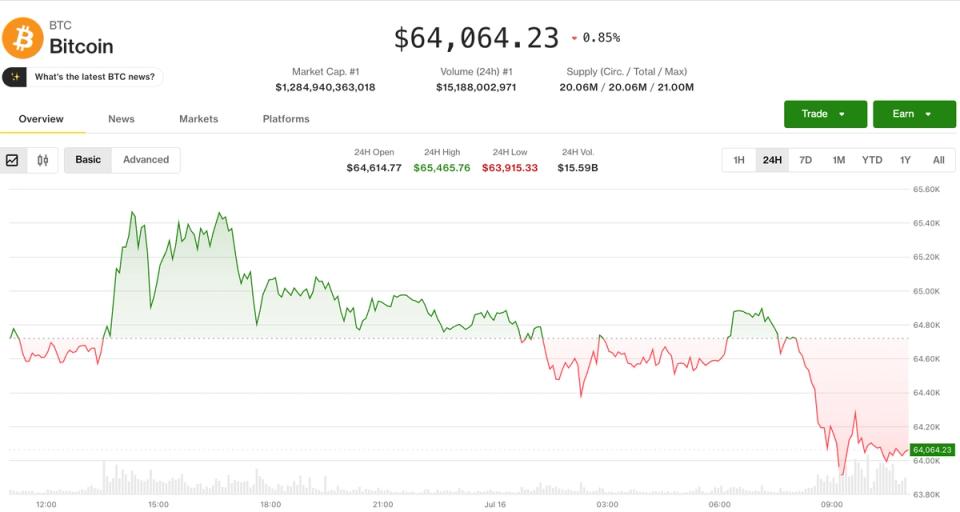
Bitcoin Retreats to $64,000: Geopolitical Tensions and Profit-Taking Trigger Bearish Turn
The broader crypto market is feeling the impact, with bearish momentum spreading across most tokens. As investors react to the intersection of macroeconomic instability and regional conflict, the immediate focus remains on whether Bitcoin can find support or if the downward pressure will intensify.
Record Profits Aren't Enough: Why TSMC Shares Are Sliding Despite Massive Q2 Gains
Geopolitical tensions remain the primary driver of this market volatility, exposing the extreme vulnerability of tech supply chains to shifting political climates. As the world watches the semiconductor industry, the TSMC situation underscores how geopolitical instability can decouple stock performance from fundamental corporate success.
