US-Iran Tension Eases, Oil Prices Plunge: Is the Geopolitical Risk Over?
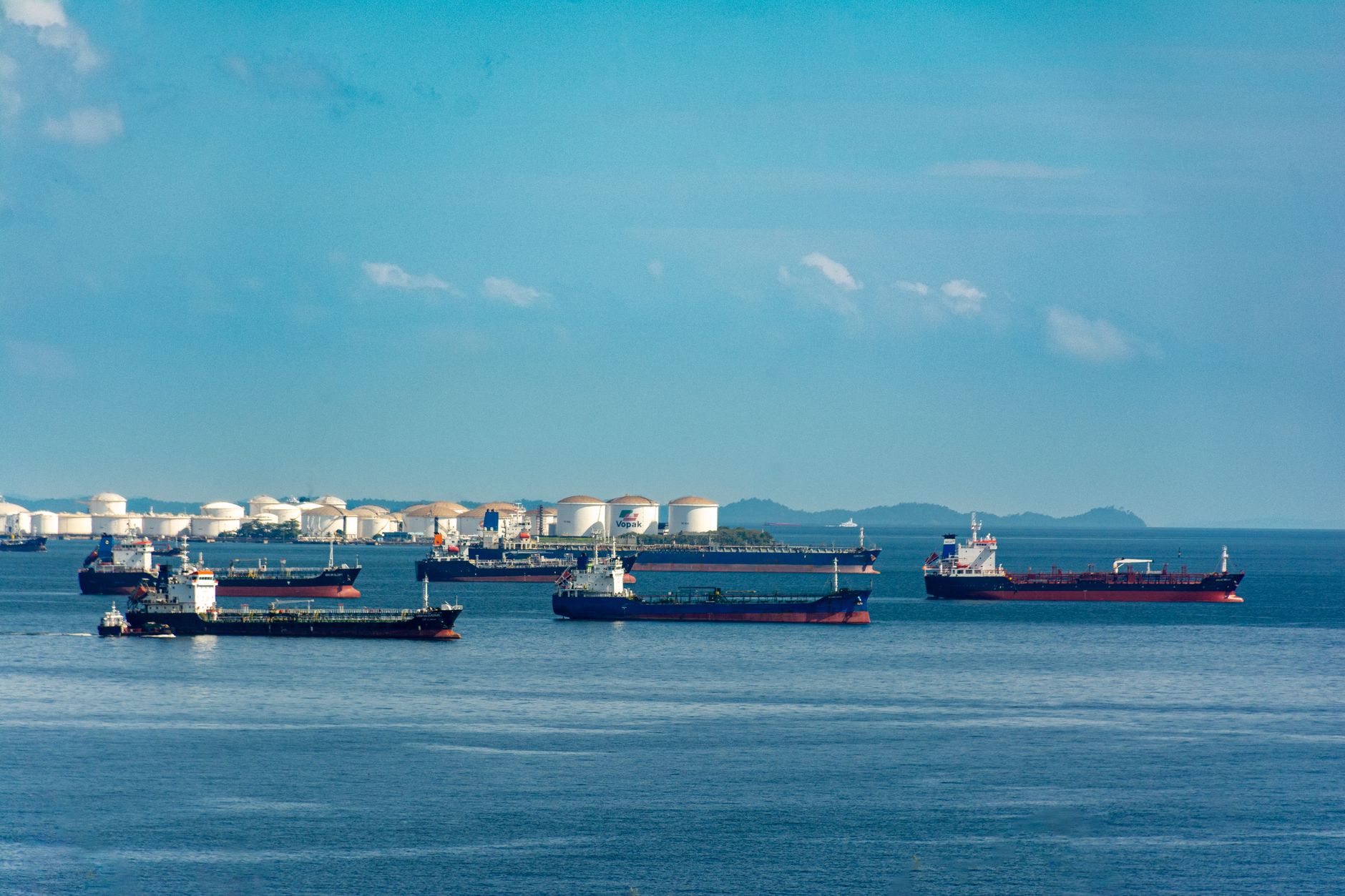
Diplomatic mediation in the US-Iran conflict has provided an immediate reprieve for global markets, triggering a sharp decline in oil prices. This relief in commodity assets signals a temporary reduction in the fear of direct military escalation, shifting the immediate risk sentiment among investors.
However, the landscape remains volatile due to the persistent geopolitical risk surrounding the Strait of Hormuz. The potential for supply chain disruptions keeps inflationary pressure on the radar, demanding caution from those trading futures and commodities in the near term.
Mediation in the conflict between the US and Iran has driven down oil prices and boosted futures, but the risk surrounding the Strait of Hormuz keeps inflationary pressure in play. While diplomatic relief has brought momentary optimism, instability in this strategic region remains a decisive factor for energy market volatility and global inflation.
This is a summarized and adapted version by Artificial Intelligence. To read the complete original story, visit the official source.
Read Full Article at BlockTrendsSupport Jornal Bitcoin
Independent journalism, curated by AI, no clickbait. Keep the flame alive with any amount of BTC.
jonata@walletofsatoshi.comDaily Crypto Brief 📬
Subscribe to receive the curation of the most important Bitcoin and crypto news, summarized by AI. No spam.
Join more than 10,000 smart readers.
Related News

Polymarket Odds Crash as Iran's Hormuz Attacks Fuel Geopolitical Uncertainty
The sudden drop in odds underscores the heightened risk premium being applied to global shipping routes. As prediction markets react to these military escalations, the volatility highlights how geopolitical instability directly influences decentralized forecasting platforms and global energy security concerns.
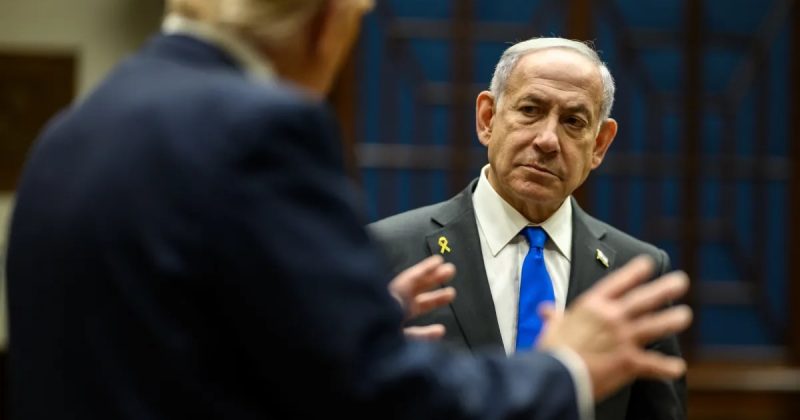
Hormuz Crisis: Trump and Netanyahu Weigh Ceasefire vs. Military Strike
Sentiment analysis shows a strong leaning toward diplomatic stability, with an 81% probability that a ceasefire could extend through July 25. The tension between Trump and Netanyahu's strategic choices will likely dictate the next phase of geopolitical volatility and its subsequent ripple effects across global financial markets.
Trade War Escalation: Trump Administration Targets 60 Economies with Permanent Tariffs Over Forced Labor
This move toward durable tariffs is expected to disrupt global supply chains and trigger significant shifts in international trade flows. As these permanent measures take hold, the resulting market volatility and geopolitical friction will likely create a complex environment for global investors and macro-economic stability.
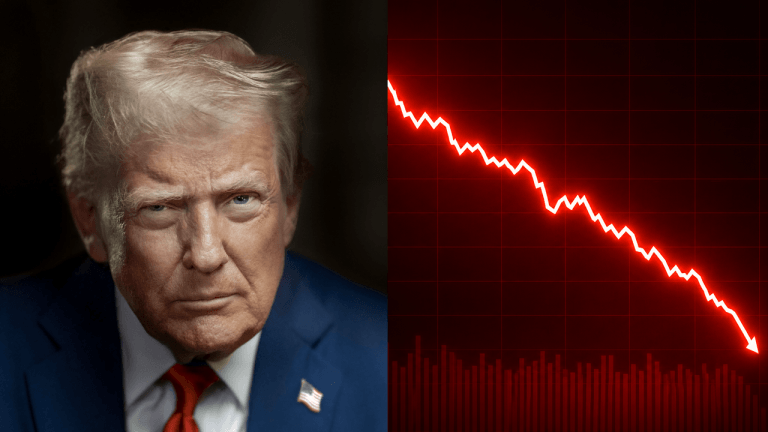
Geopolitical Chaos: Trump Vows Retaliation as Iran Strikes Shake Wall Street and Crypto Markets
Amidst this heightened volatility, Bitcoin is showing notable strength, holding steady near the $65,000 level even as traditional equities struggle to find footing. As Wall Street enters a critical earnings week, the intersection of geopolitical tension and commodity price spikes is forcing investors to re-evaluate the role of digital assets as a hedge against systemic instability.
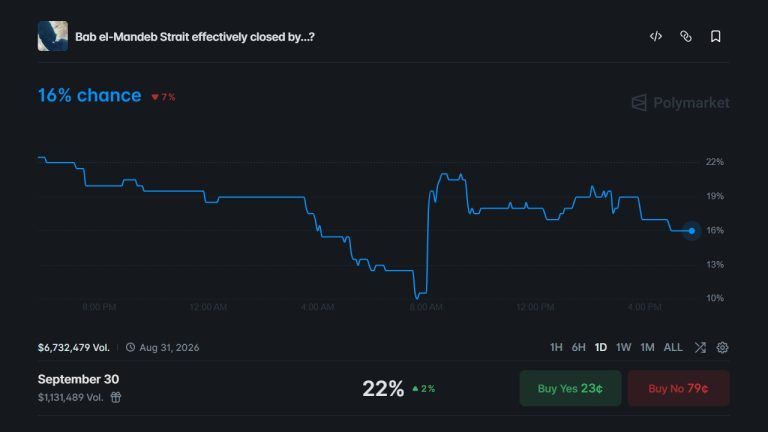
Geopolitical Shockwave: Prediction Markets Signal Imminent Bab el-Mandeb Blockade
This escalation threatens to choke critical maritime corridors and trigger massive volatility in global energy markets. As the blockade threat intensifies, the potential for a supply chain shock and a spike in oil prices remains the primary concern for international trade and geopolitical stability.
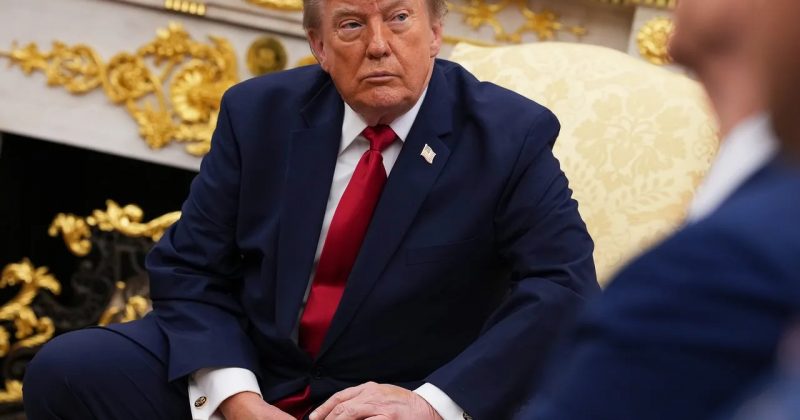
Trade War Alert: Trump Hits Canada with 50% Tariffs—What It Means for Crypto
As these tariffs take effect, the ripple effects could extend far beyond North American borders, directly impacting the crypto market. Investors are closely watching how this geopolitical tension influences the demand for Bitcoin and digital assets, which are increasingly viewed as essential hedges against macroeconomic instability and trade-driven inflation.
