Trade War Escalation: Trump Administration Targets 60 Economies with Permanent Tariffs Over Forced Labor
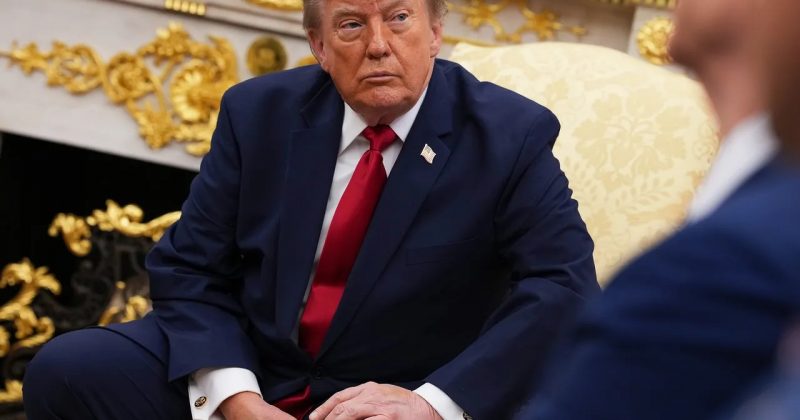
The Trump administration is pivoting toward a more aggressive trade stance, planning to replace temporary sanctions with permanent Section 301 tariffs. Targeting 60 different economies over allegations of forced labor, this strategic shift signals a long-term commitment to using trade barriers as a tool for geopolitical and ethical enforcement.
This move toward durable tariffs is expected to disrupt global supply chains and trigger significant shifts in international trade flows. As these permanent measures take hold, the resulting market volatility and geopolitical friction will likely create a complex environment for global investors and macro-economic stability.
The Trump administration plans to implement permanent Section 301 tariffs against 60 economies, replacing existing temporary measures. Driven by concerns regarding forced labor within global supply chains, this policy shift moves away from short-term sanctions toward a regime of durable protectionism. The administration aims to penalize nations failing to meet labor standards, fundamentally reshaping the landscape of U.S. foreign trade.
This is a summarized and adapted version by Artificial Intelligence. To read the complete original story, visit the official source.
Read Full Article at Crypto BriefingSupport Jornal Bitcoin
Independent journalism, curated by AI, no clickbait. Keep the flame alive with any amount of BTC.
jonata@walletofsatoshi.comDaily Crypto Brief 📬
Subscribe to receive the curation of the most important Bitcoin and crypto news, summarized by AI. No spam.
Join more than 10,000 smart readers.
Related News
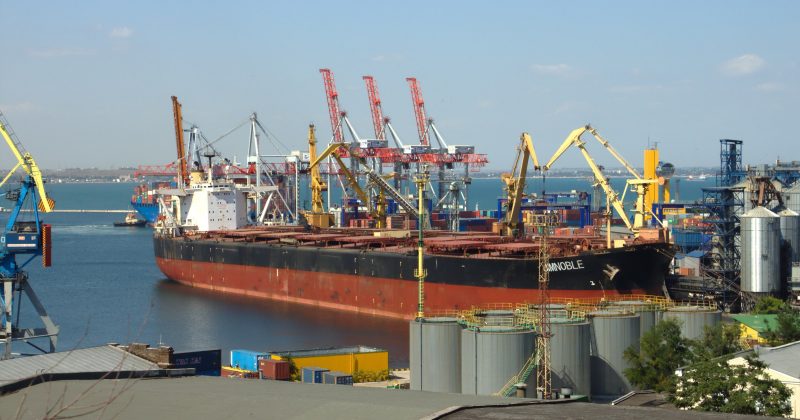
Russian Strike on Odesa Port: New Projections on Crimea Recapture
Amidst the kinetic warfare, emerging data provides a controversial outlook on the long-term conflict, suggesting an 8.5% chance of Ukraine recapturing Crimea by December 31, 2026. As the strike on Odesa unfolds, the global community remains focused on these shifting military dynamics and their potential to reshape the geopolitical landscape.
Geopolitical Crisis: US Troops Killed in Jordan Strike Amid Rising Middle East Tensions
With reports suggesting a potential full airspace closure in Iran by August 31, the threat of a broader regional conflict looms large. This heightened uncertainty is expected to drive significant volatility across crypto markets, as traders react to the shifting landscape of global security and potential energy supply disruptions.
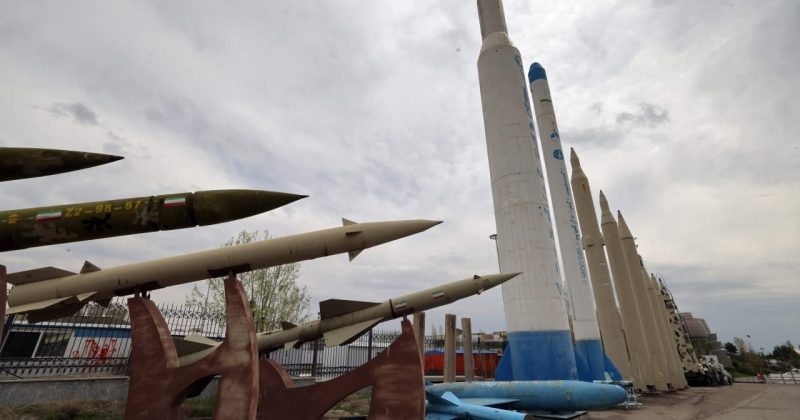
Geopolitical Flashpoint: Iran Strikes U.S. Positions with Missiles and Drones Amid Rising Conflict
With a full airspace closure projected by July 31, the logistical and economic ramifications could be profound. As uncertainty grows, the crypto market remains highly sensitive to such macro events, often seeing a flight to quality or increased volatility in response to sudden military escalations.
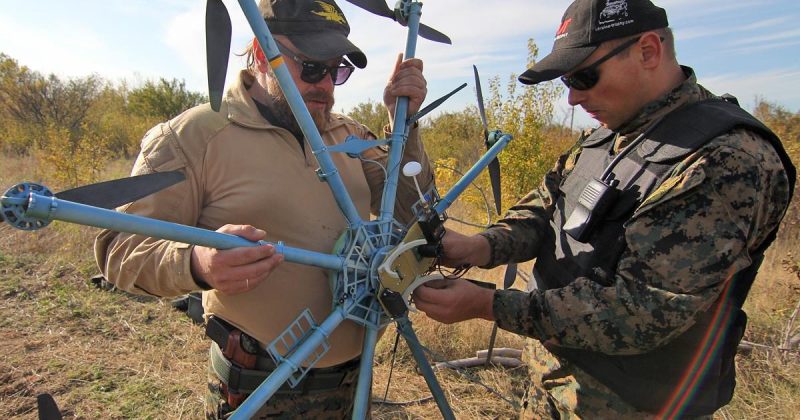
Drone Warfare Escalation: Russian Attacks Surge in Eastern Ukraine
As the conflict evolves, strategic projections suggest a high-stakes timeline, with an 18% probability of Russian forces entering Sloviansk by December 31, 2026. This escalation of drone warfare and sustained military pressure continues to reshape the geopolitical landscape and the long-term outlook for regional stability.

South African Rand Surges as Dropping Oil Prices Fuel US-Iran Mediation Hopes
As diplomatic hopes influence global trade dynamics, the downward pressure on oil prices is reshaping investor sentiment toward risk assets. The market is closely watching whether this mediation can stabilize energy costs, potentially providing a long-term tailwind for the Rand and broader global economic stability.
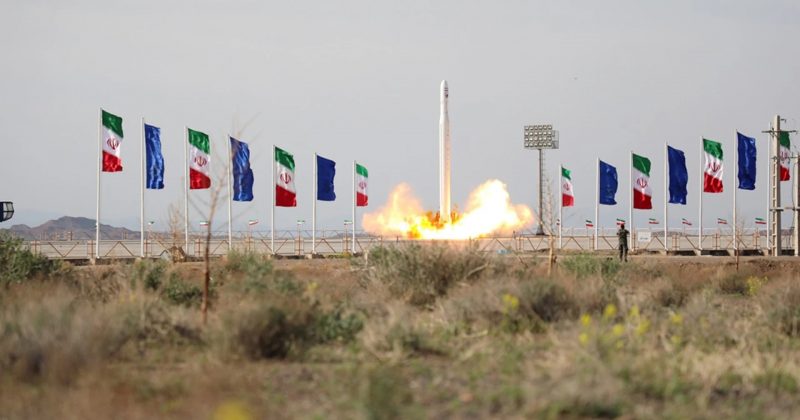
Geopolitical Standoff: Iran Unlikely to Back Down Despite U.S. Military Pressure
Looking ahead to 2026, potential deal frameworks include reconstruction funding and a uranium enrichment cap set at 32.5%. The persistence of this conflict between Iran and the U.S. continues to shape global risk assessments and long-term economic stability.
