Hormuz Crisis: Trump and Netanyahu Weigh Ceasefire vs. Military Strike
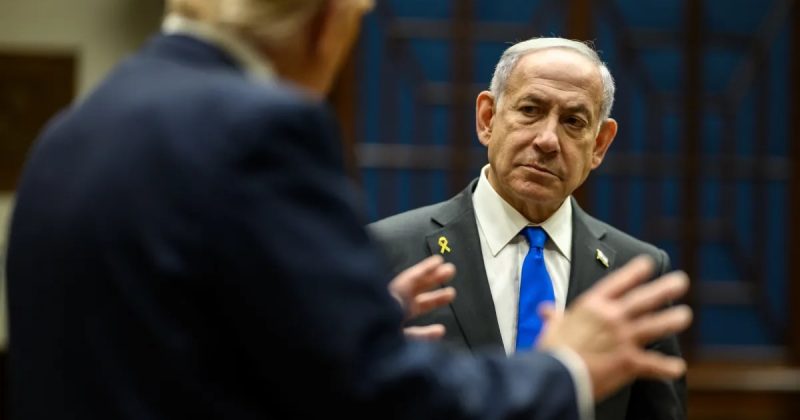
Global markets are on edge as Donald Trump and Benjamin Netanyahu weigh critical options to resolve the escalating Hormuz crisis. The leadership is currently debating a strategic 10-day ceasefire to prevent immediate escalation, though the threat of decisive military action remains a potent factor in their decision-making process.
Sentiment analysis shows a strong leaning toward diplomatic stability, with an 81% probability that a ceasefire could extend through July 25. The tension between Trump and Netanyahu's strategic choices will likely dictate the next phase of geopolitical volatility and its subsequent ripple effects across global financial markets.
Donald Trump and Benjamin Netanyahu are considering two divergent paths to manage the Hormuz crisis: a 10-day ceasefire or direct military intervention. Current projections suggest a high likelihood of a temporary reprieve, with 81% of indicators pointing toward a ceasefire lasting until July 25. As the situation evolves, the choice between de-escalation and military force remains the primary driver of global geopolitical uncertainty.
This is a summarized and adapted version by Artificial Intelligence. To read the complete original story, visit the official source.
Read Full Article at Crypto BriefingSupport Jornal Bitcoin
Independent journalism, curated by AI, no clickbait. Keep the flame alive with any amount of BTC.
jonata@walletofsatoshi.comDaily Crypto Brief 📬
Subscribe to receive the curation of the most important Bitcoin and crypto news, summarized by AI. No spam.
Join more than 10,000 smart readers.
Related News
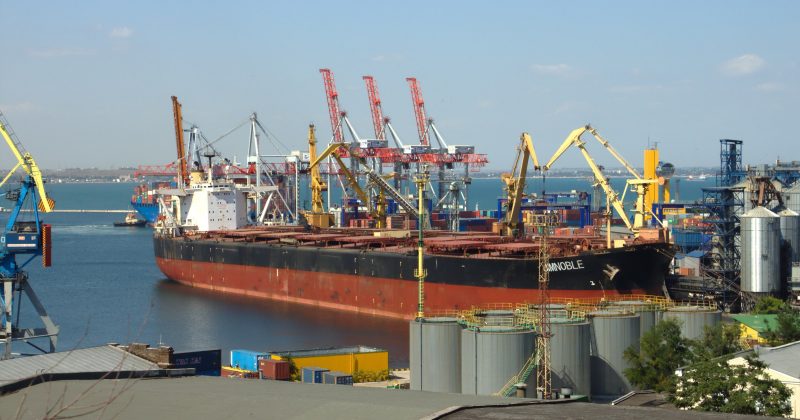
Russian Strike on Odesa Port: New Projections on Crimea Recapture
Amidst the kinetic warfare, emerging data provides a controversial outlook on the long-term conflict, suggesting an 8.5% chance of Ukraine recapturing Crimea by December 31, 2026. As the strike on Odesa unfolds, the global community remains focused on these shifting military dynamics and their potential to reshape the geopolitical landscape.
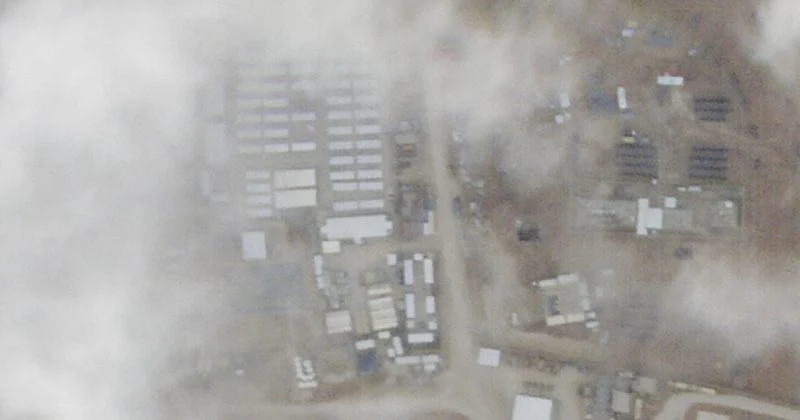
Geopolitical Crisis: US Troops Killed in Jordan Strike Amid Rising Middle East Tensions
With reports suggesting a potential full airspace closure in Iran by August 31, the threat of a broader regional conflict looms large. This heightened uncertainty is expected to drive significant volatility across crypto markets, as traders react to the shifting landscape of global security and potential energy supply disruptions.
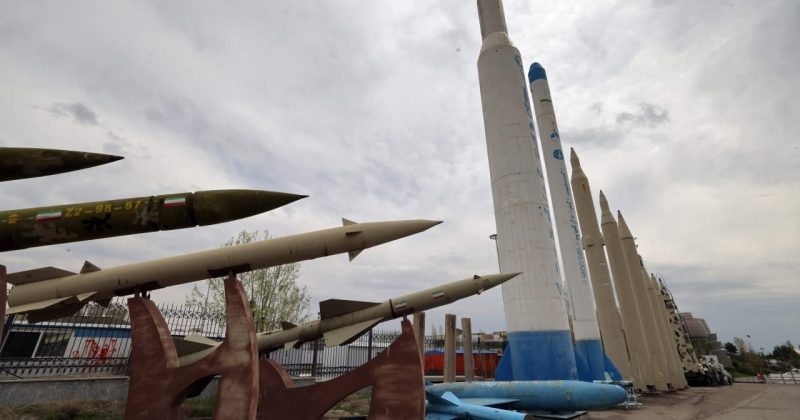
Geopolitical Flashpoint: Iran Strikes U.S. Positions with Missiles and Drones Amid Rising Conflict
With a full airspace closure projected by July 31, the logistical and economic ramifications could be profound. As uncertainty grows, the crypto market remains highly sensitive to such macro events, often seeing a flight to quality or increased volatility in response to sudden military escalations.
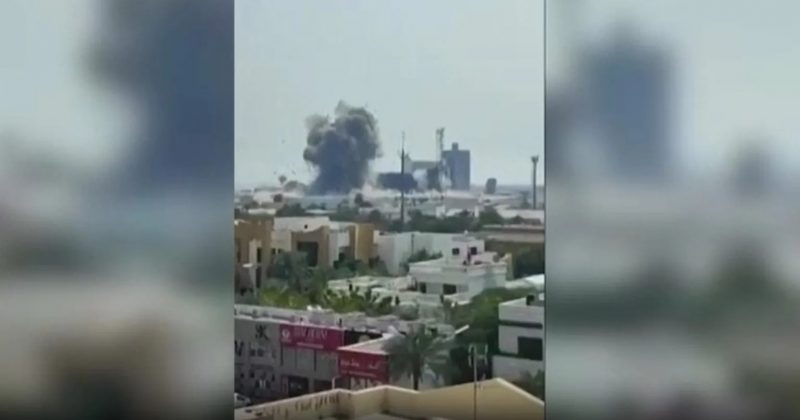
Middle East Escalation: Bahrain Intercepts Iranian Missile and Drone Attacks
The impact of these Iranian military actions extends beyond local borders, posing a severe threat to global energy security and maritime trade routes. As the situation evolves, the potential for a broader conflict remains high, creating a ripple effect of uncertainty that could trigger massive volatility across international financial markets.
White House Ethics Deal Clears Path for CLARITY Act as Trump Removes Final Senate Hurdle
This development marks the end of months of political deadlock regarding crypto regulation. By resolving these ethical provisions, the CLARITY Act is positioned to provide much-needed legal certainty, potentially reshaping the future of digital asset governance and institutional adoption.
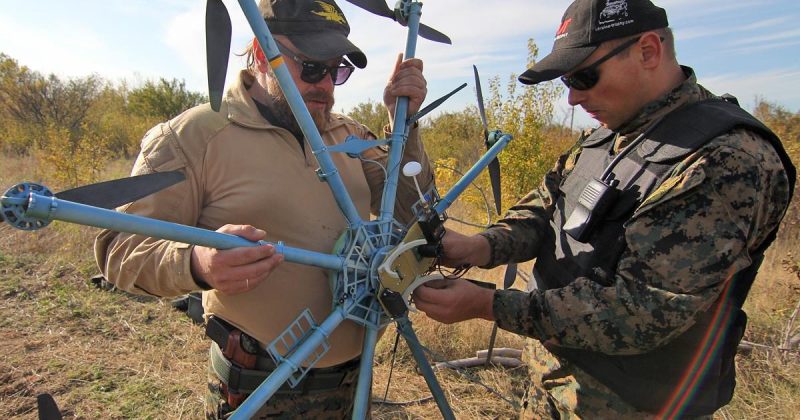
Drone Warfare Escalation: Russian Attacks Surge in Eastern Ukraine
As the conflict evolves, strategic projections suggest a high-stakes timeline, with an 18% probability of Russian forces entering Sloviansk by December 31, 2026. This escalation of drone warfare and sustained military pressure continues to reshape the geopolitical landscape and the long-term outlook for regional stability.
