On the Brink: US-Iran Ceasefire Collapses, Pushing Nations Toward All-Out War
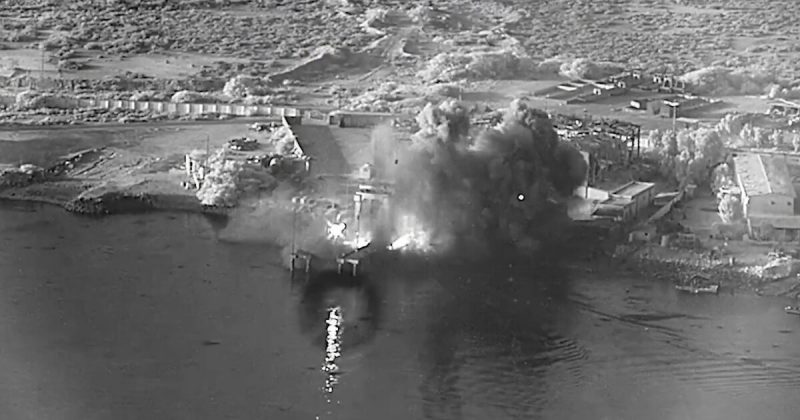
The geopolitical landscape is fracturing as the ceasefire between the United States and Iran collapses, sparking immediate military strikes. This rapid escalation of US-Iran tensions signals a dangerous shift toward direct military confrontation, threatening to disrupt global trade and security frameworks.
As the threat of all-out war looms, the long-term viability of diplomatic reconstruction funding slated for 2026 is being called into question. For the financial sector, this heightened geopolitical risk represents a massive catalyst for market volatility, demanding immediate attention from macro analysts and crypto investors alike.
The United States is teetering on the edge of an all-out war with Iran following the collapse of a critical ceasefire, according to reports from the Washington Post. The escalation has already led to military strikes, significantly increasing the likelihood of a full-scale conflict. While previous frameworks suggested potential reconstruction funding as far out as 2026, the immediate reality of military engagement poses a severe threat to international stability and global economic markets.
This is a summarized and adapted version by Artificial Intelligence. To read the complete original story, visit the official source.
Read Full Article at Crypto BriefingSupport Jornal Bitcoin
Independent journalism, curated by AI, no clickbait. Keep the flame alive with any amount of BTC.
jonata@walletofsatoshi.comDaily Crypto Brief 📬
Subscribe to receive the curation of the most important Bitcoin and crypto news, summarized by AI. No spam.
Join more than 10,000 smart readers.
Related News
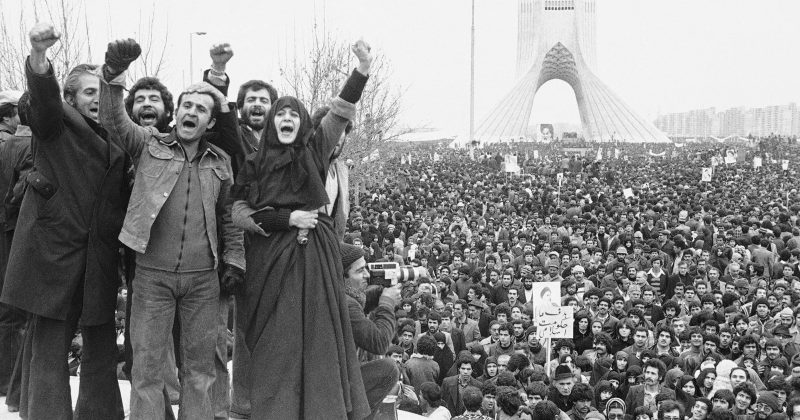
Iran Crackdown: Two Sentenced to Death as Regime Stability Faces Critical Test
Beyond the immediate judicial actions, the political landscape is shifting rapidly, with some analysts forecasting a potential collapse of the Iranian regime by the end of 2026. The combination of violent repression and growing civil defiance suggests a volatile period ahead for the Middle East and global geopolitical stability.
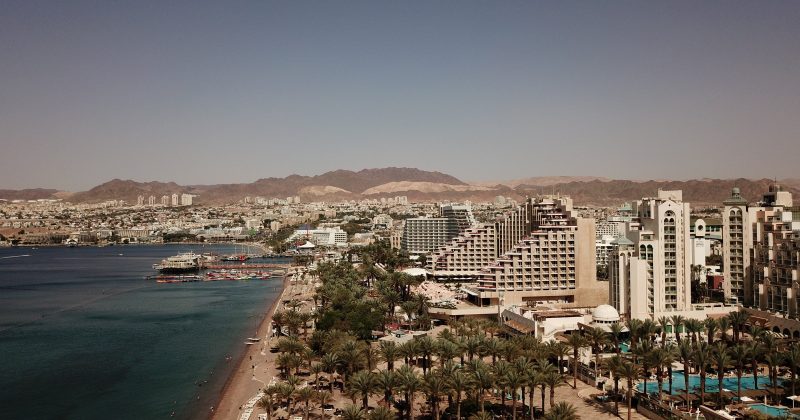
Middle East Escalation: Iranian Missiles Intercepted Over Eilat as Israel Closes Airspace
In a decisive move to secure its borders, Israel has announced the closure of its airspace through August 31. These defensive measures and the direct confrontation with Iranian missile strikes highlight the intensifying security crisis and the immediate threat to regional aviation and safety.
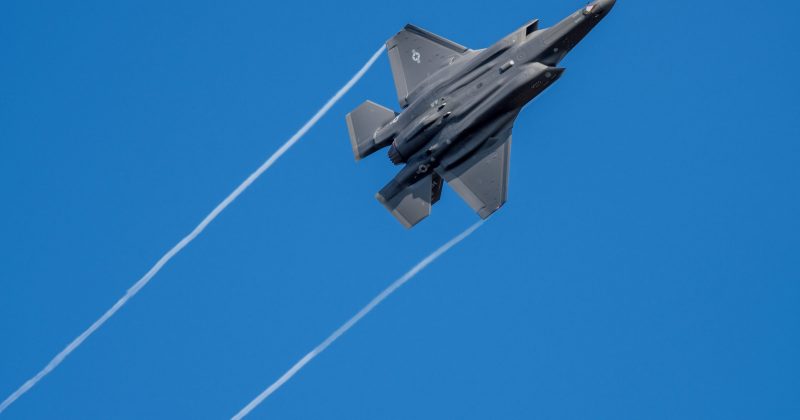
Middle East Escalation: US Deploys F-16 and F-35 Fighter Jets Amid Iran Tensions
With a 63% probability of Iranian military action, the situation poses a significant risk to global stability and market sentiment. Traders and crypto enthusiasts are closely watching these developments, as heightened geopolitical conflict often triggers massive volatility across both traditional and digital asset markets.
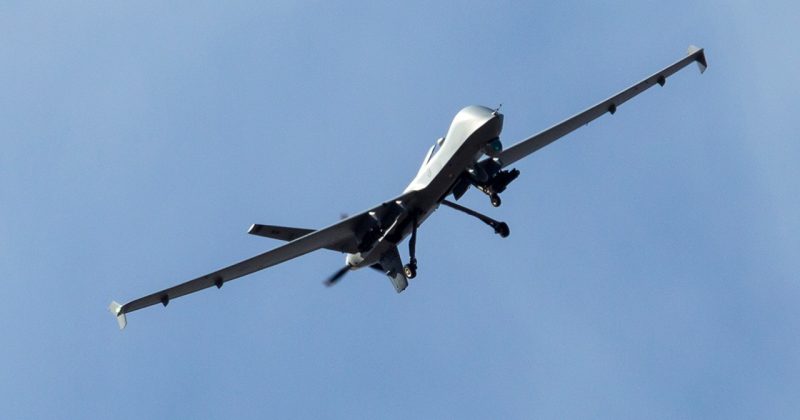
Geopolitical Flashpoint: Iran Downs US MQ-9 Reaper Drone in Kermanshah
As the situation evolves, data suggests a significant escalation in airspace restrictions, with projections showing a 33.5% closure by July 31 and a surge to 50.5% by August 31. This looming airspace lockdown could disrupt global logistics and intensify the uncertainty currently surrounding international security and digital asset stability.
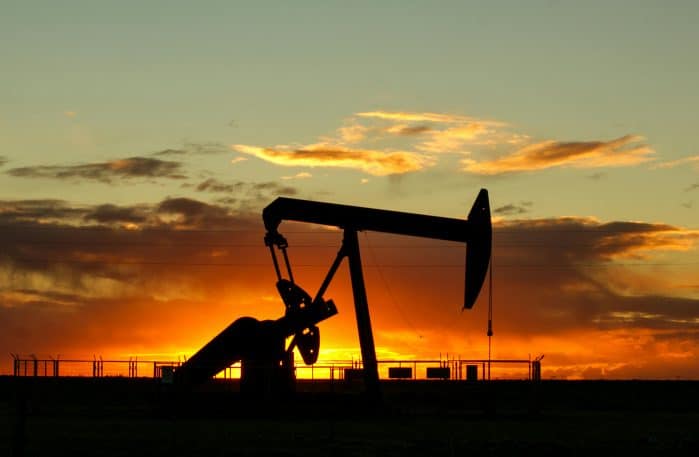
Brent Crude Surges Past $90 as Iran Conflict Escalates and Hormuz Tensions Rise
With the Strait of Hormuz facing increased volatility, the market is bracing for further supply disruptions. Experts suggest that if the escalation persists, Brent crude could hit new all-time highs by December 31, potentially triggering a broader economic shift in global inflation rates.
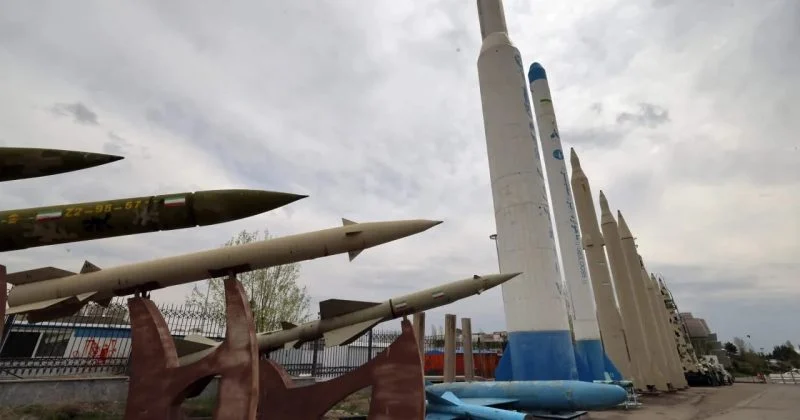
Middle East Escalation: Qatar Condemns Iranian Missile and Drone Attacks on Gulf States
As the threat of conflict looms, market participants are closely watching for signs of de-escalation. With a 45.5% probability of a diplomatic meeting with Iran occurring by August 31, 2026, the outcome of these tensions will play a crucial role in determining market volatility and the broader impact on global economic stability.
